


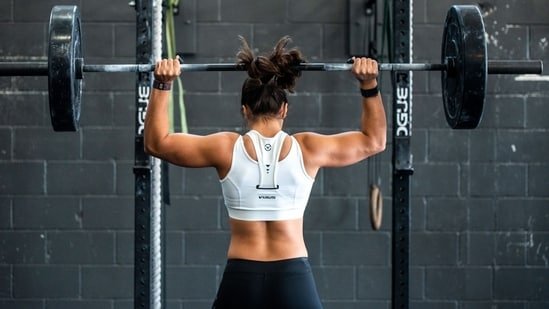
Strength training is often associated with building a muscular physique, but its benefits go far beyond looking macho at the gym. After the age of 30, lifting weights becomes increasingly important as the body quietly begins to lose muscle mass and bone density – changes that can affect not just strength and mobility, but also metabolism and long-term health.

Dr Manan Vora, a Mumbai-based orthopaedic surgeon, health educator, and co-founder of NutriByte Wellness, is drawing attention to a major yet often overlooked healthcare gap in India – muscle loss after the age of 30 and its broader impact on overall health. In an Instagram video shared on March 10, the orthopaedic surgeon explains how declining muscle mass can affect metabolism, strength, and long-term mobility, and outlines one of the most powerful steps people can take to counter these age-related changes.
Sarcopenia and weight gain
According to Dr Vora, sarcopenia is one of the most overlooked health concerns in India. It refers to the gradual loss of muscle mass that typically begins after the age of 30. This decline not only affects overall strength and mobility but also has significant effects on metabolism. Muscles play a crucial role in glucose metabolism, and as muscle mass decreases, the body’s ability to regulate glucose becomes less efficient. Over time, this metabolic slowdown can contribute to weight gain and other health complications.
The surgeon explains, “Every doctor will tell you to eat well and sleep well, but almost nobody talks about this. After the age of 30, your body starts losing muscle. You cannot feel it happening, but it is happening right now. This is called sarcopenia and it is one of the most ignored health problems in India. And this muscle loss does not just make you look weaker. It slows down your metabolism. So suddenly you are eating the same food you always ate but your body is storing it differently. The weight creeps up and nobody connects it back to muscle loss.”
Add bone loss to the equation
Along with muscle loss, Dr Vora emphasises that bone density is another crucial factor to watch as we age. Over time, bones can quietly lose strength and become increasingly fragile, often without obvious warning signs. In many cases, people do not realise osteoporosis is developing until they experience a fracture from what should have been a minor injury or fall – an indication that the bones have already weakened significantly.
The surgeon highlights, “Now add bone density to this. As you age, your bones quietly become thinner and more fragile. Osteoporosis does not announce itself. It shows up one day as a fracture from a fall that should have been nothing.”
The power of lifting weights
According to Dr Vora, the “single most powerful thing” you can do to combat both muscle and bone loss is strength training, particularly lifting heavy weights. However, he emphasises that simply going through the motions is not enough. For strength training to be effective, the weights need to truly challenge your muscles, prompting the body to adapt, build strength, and maintain both muscle mass and bone density over time.
He stresses, “The single most powerful thing you can do to fight both of these is pick up heavy weights and lift them. Strength training isn’t just for aesthetics – it’s one of the most powerful ways to protect your metabolism, bones, and long-term health. And I want to be very clear, if the weight in your hand is not making you work, it is not doing anything for you. Your body only adapts to challenges it has not faced before.”
Dr Vora emphasises the importance of simply getting started, noting that strength training can be beneficial at any age or fitness level. Whether you are new to exercise or returning after a long break, building muscle through regular strength training can help maintain mobility, support bone health, and ensure the body continues to function well as you grow older.
The surgeon concludes, “Start at any age. Start at any fitness level, but start. Strength training is not about looking good. It is about making sure your body works for you at 50, 60, 70, and beyond.”
Note to readers: This article is for informational purposes only and not a substitute for professional medical advice. It is based on user-generated content from social media. HT.com has not independently verified the claims and does not endorse them.
