


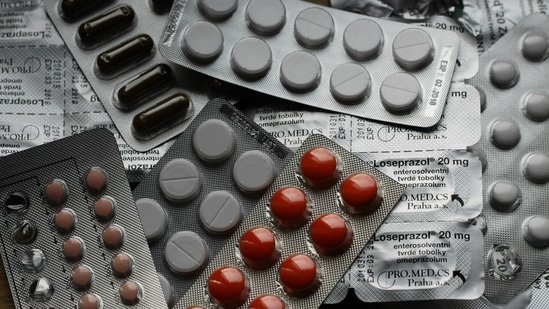
Digestive troubles are no strangers in desi households, and only a rare soul has not witnessed themselves or someone close to them pop an antacid pill on random occasions.
Also Read | Gastroenterologist shares 5-step cheatsheet to avoid ‘food coma’ after eating out: ‘Just tweak how you eat’
However, this common habit is a serious cause of health concern, according to Dr Sudhir Kumar, MD, DM, a neurologist at Apollo Hospitals in Hyderabad. Taking to X on March 7, he explained why this can arguably be considered a “silent health crisis” across the country.
The fact that antacids are available in India over the counter without the need for prescriptions makes them more prone to being misused by the public. And as a healthcare professional, Dr Kumar has witnessed the long-term effects.
“That daily antacid you pop for ‘gas’ or heartburn might be doing more than just stopping the burn,” he stated, before drawing attention to the risks involving long-term use of Proton Pump Inhibitors (PPIs), a group of medicines that decrease stomach acid production.
Dangers of PPI overuse
According to Dr Kumar, PPIs are “among the most over-prescribed and over-consumed drugs globally.” While they are intended for short-term use of four to eight weeks, in case of ulcers or severe gastroesophageal reflux disease (GERD), millions take them for years to manage even minor indigestion.
There is a serious cost involved with the habit, and it is a person’s long-term health that pays the bill. This includes the following:
1. Damage to the kidneys
Chronic use of PPI has been strongly linked to chronic kidney disease (CKD), noted Dr Kumar.
2. Nutrient theft
Stomach acid has an important role to play in the digestive process. PPIs suppress the formation of stomach acid, and therefore block the absorption of essential nutrients such as:
- Magnesium and calcium: Leading to brittle bones and fractures
- Vitamin B12: Critical for nerve health and brain function
- Iron: Causing unexplained fatigue and anaemia
3. Disruption of the gut-brain axis
“There is an ongoing debate regarding PPIs and dementia,” stated Dr Kumar. “While the link may be correlational, we know that chronic B12 deficiency and a disrupted gut microbiome, both caused by long-term PPI use, are major players in cognitive decline.”
Thus, protecting stomach acid can be crucial to protecting the brain.
4. Breaking the first line of defence
Stomach acid is not just for digestion; it also kills harmful bacteria that can enter the body along with food. By using PPI and lowering the acid content, one makes oneself more vulnerable to harmful conditions like:
- Clostridium difficile infections (severe, painful diarrhoea)
- Pneumonia (gut bacteria migrating to the lungs)
- SIBO (Small Intestinal Bacterial Overgrowth)
Ways to minimise health risk
To avoid developing the serious medical conditions related to the overuse of PPIs, one should consider the path of “deprescribing,” shared Dr Kumar, explaining that if someone has been on PPI medication for more than eight weeks without a clear medical reason, they should consult with their doctor about getting off the med.
As for getting relief from digestive problems such as acidity, a healthy lifestyle goes a long way. That involves:
- No lying down for three hours after meals
- Identifying food triggers (caffeine, spice, etc)
- Managing weight to reduce gastric pressure
“Your body has acid for a reason,” stated the neurologist. “Don’t suppress it without a real indication.”
Note to readers: This article is for informational purposes only and not a substitute for professional medical advice. Always seek the advice of your doctor with any questions about a medical condition.
This report is based on user-generated content from social media. HT.com has not independently verified the claims and does not endorse them.
