


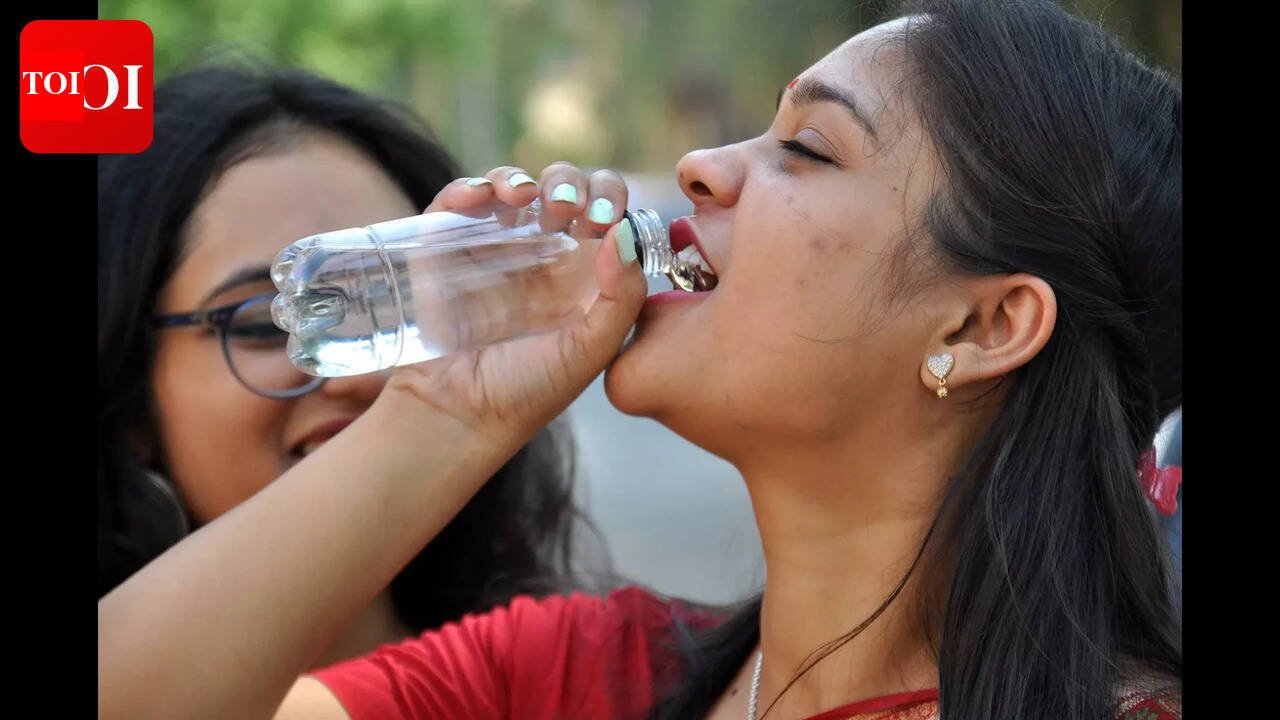
Patna: With widespread contamination of groundwater by arsenic, fluoride, iron and other toxic elements in several districts, Bihar has witnessed a sharp rise in the demand for packaged drinking water over the last one decade. Increasing health consciousness among people has further accelerated this demand, resulting in the rapid proliferation of small local water packaging units across the state alongside well-established companies.Industry experts say that the national bottled water market, estimated to grow from around USD 3.73 billion to over USD 8 billion in 2025-26, reflects the rapid expansion of the sector driven by urbanisation and health concerns. In Bihar, the bottled water market is estimated to be between Rs 400 crore and Rs 700 crore annually, with demand steadily expanding beyond major cities into smaller towns.The market in the state now consists of a mix of reputed national brands and a large number of small local bottling units operating in cities such as Patna, Muzaffarpur and Gaya. While established companies generally operate under strict regulatory oversight, experts say the rapid growth of numerous local units has raised concerns about monitoring and quality compliance.The mineral water industry in the state is largely driven by 20-litre jars used in homes and offices as well as 1-litre PET bottles. Competitive pricing remains a key feature of the sector with retail prices of 1-litre bottles typically ranging between Rs 15 and Rs 20.Bihar Industries Association’s former president K P S Keshari said besides five to six reputed brands, more than 150 local players are operating in the state. These units collectively sell about two crore 1-litre bottles of water every month on average, and the demand continues to rise steadily.“The demand for mineral water is driven more by people’s health consciousness than by the actual requirement. Consuming mineral water has become a passion even at places where tap water is supposed to be fresh and clean,” he said.Keshari added that the rapid increase in the number of local bottling units has created challenges for regulators, as many small operators lack the infrastructure and quality control systems required to maintain consistent standards.At the same time, the growing demand has also attracted large investments in the organised sector. A new plant worth Rs 1,000 crore has been established on a 35-acre plot in Begusarai to cater to Bihar, eastern India and neighbouring Nepal. The facility is expected to function as a logistics hub for eastern and northeastern India.“Bihar is emerging as a critical location for food processing and bottling, supported by state govt initiatives to boost local industries,” Keshari added.Environmentalist Mehta Nagendra Singh said the rapid expansion of small water packaging units is largely a result of the gap between public water supply and the rising demand for safe drinking water.Municipal supply systems, he said, are struggling to keep pace with rapid urbanisation. As a result, households, offices and commercial establishments increasingly depend on packaged water, creating opportunities for numerous small bottling operations.However, Singh added that this expansion also raises concerns about regulatory oversight and environmental impact, particularly when bottling units extract groundwater without proper monitoring.Despite major initiatives such as the Jal Jeevan Mission aimed at expanding tap water access, issues such as inconsistent service reliability, contamination and groundwater depletion continue to shape consumer behaviour.Singh said new regulations introduced by the Food Safety and Standards Authority of India (FSSAI), which came into effect in Dec 2024, classify packaged drinking water as a “high-risk” product requiring annual third-party audits.“With the new FSSAI regulations, local industries will now have to ensure strict quality standards for packaged water,” he said.Indian Medical Association’s former state president Dr Rajiv Ranjan Prasad said public health concerns remain central to the debate on drinking water safety in the state. Waterborne diseases continue to impose a significant economic burden on the state’s health system.Despite improvements in infrastructure, diarrhoea remains a major health concern, particularly among children, underscoring the continuing challenge of ensuring safe drinking water access.
