


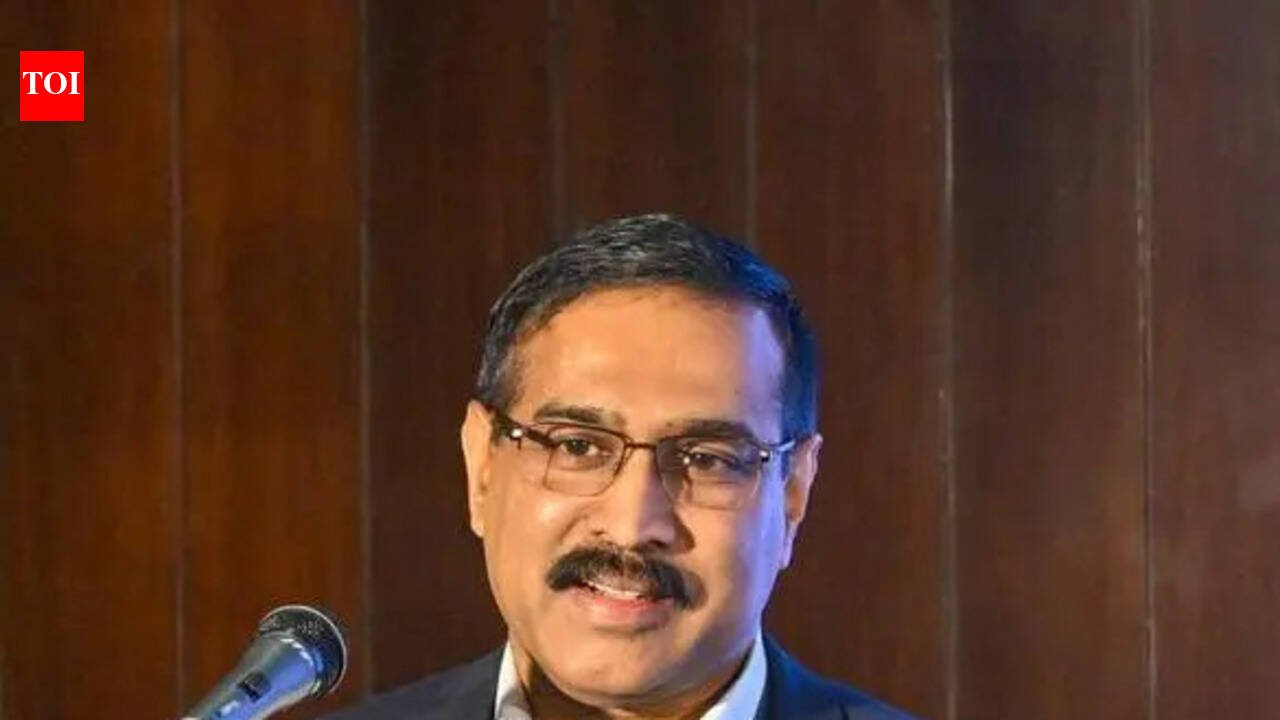
Mangaluru: Mangalore Refinery and Petrochemicals Ltd (MRPL) is currently operating its refinery at nearly 120% of its capacity while navigating significant global maritime disruptions, said Nandakumar V Pillai, director (refinery), MRPL. He was speaking at a seminar on Maritime Adversities and Role of Stakeholders and the Indian Port Act 2025, organised by the New Mangalore Port Authority on Wednesday.On the refinery’s efforts to maintain domestic fuel supply, Pillai said LPG has emerged as a crucial component. “We have increased our production by almost 30%, producing close to 45 lakh kg per day, which translates to nearly 10 lakh cylinders daily,” he said, adding that challenges in supply chains persist. He stressed on the responsibility of ensuring an uninterrupted fuel supply and safeguarding critical infrastructure. On tackling maritime adversities, he said that the way forward lies in resilience and collaboration, calling for flexible and robust supply chains, adoption of digital technologies, and smarter port operations. Pillai also emphasised the importance of disaster preparedness. “Despite best efforts, natural calamities and disruptions can occur. What matters is how prepared we are and how we respond,” he said, adding that a strong culture of safety must go beyond rules and standard operating procedures. Providing port-related data, he noted that through MPRL, about 346 vessels called at the port last year, and as of midnight on March 31, cargo handling stood at 23.4 million tonnes, stressing the critical dependence on port infrastructure. Referring to global geopolitical tensions, Pillai said the economic impact of conflicts is being felt far beyond the war zones. He pointed to disruptions in the Strait of Hormuz, a key route for crude shipments from West Asia, where vessel movement has been severely affected, with nearly 3,000 ships reportedly awaiting clearance. He noted that crude oil prices have nearly doubled, from about $69 per barrel in Feb to an average of $128 in March, while diesel has become one of the priciest commodities in the international market. “Oil is available at ports but cannot be transported,” he said, adding that alternative routes such as the Red Sea are also facing threats, though some seafarers continue to navigate these risks. Pillai further highlighted the sharp rise in cargo insurance costs. “Earlier, insurance was around 0.25% to 0.3% of cargo cost. Now it has surged to 5% to 15%, with additional war risk premiums that is about Rs 100 crore per cargo,” he said. Uncertainties in loading windows and conflict-related disruptions have made operations increasingly unpredictable. “More than physical risks, we are now facing substantial economic risks,” he said.
