
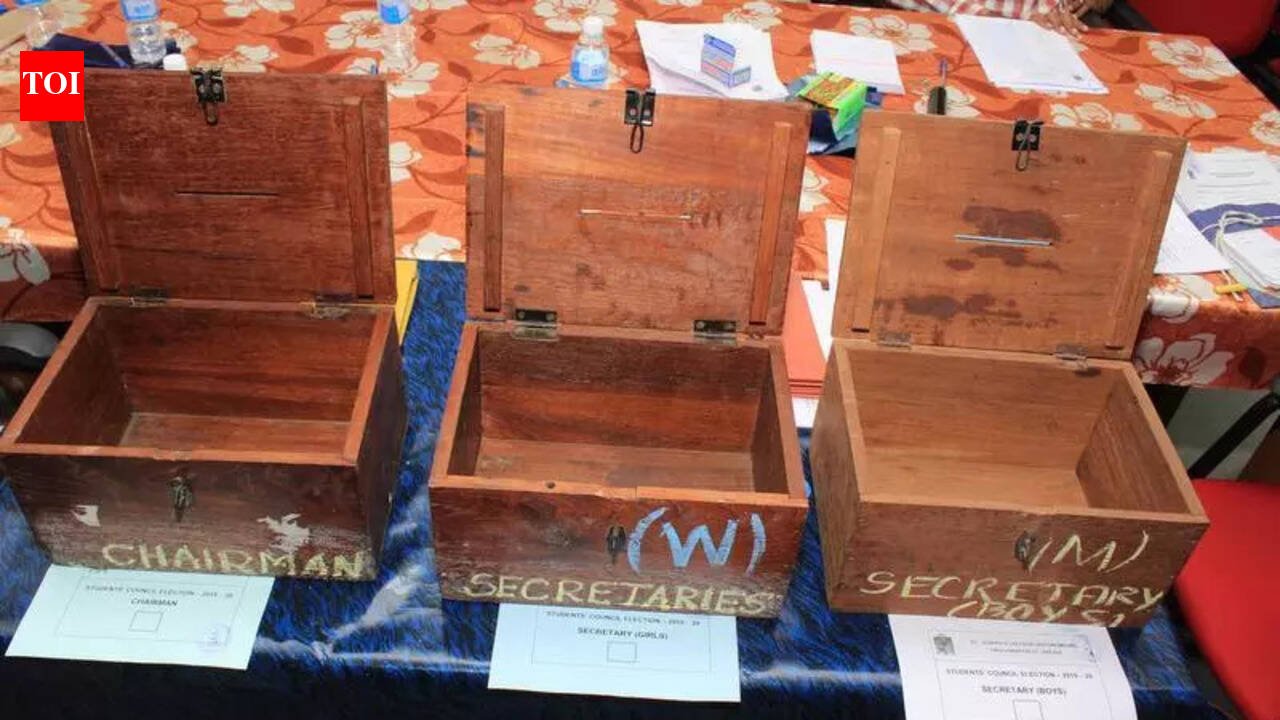
Bengaluru: Public consultations on reviving student elections in Karnataka have drawn a mixed response, with law and order emerging as a central concern for the nine-member KPCC committee examining the proposal. Committee members had discussed ways to conduct elections to university students’ bodies without triggering violence or rowdyism, while deliberating on eligibility norms for candidates. The panel studied the Lyngdoh Committee recommendations and Delhi University’s election model and sought views from vice-chancellors. “Emails and letters from our consultations seem positive and in favour of elections,” said some committee members, indicating a broad leaning within the panel towards restoring the process, subject to safeguards. But medical education minister Sharanprakash Patil, who heads the committee, said the feedback has been mixed. “We need further consultation. In the next meeting, on Sunday, we will formulate a concrete proposal,” he told TOI. BK Hariprasad, Senior Congress MLC, who was active in student politics until 1980, said such polls are crucial to “groom youth”, which he said has been missing since the ban in 1989. “Genuine leaders have not emerged. When students contest polls in college, they understand rules and regulations, democracy and the Constitution. They come through the process and many transition to mainstream politics,” he said, citing the case of K Chandrasekhar from Basavanagudi, who went on to become BBMP mayor. S Suresh Kumar, former education minister and senior BJP MLA, admitted student elections are essential to nurture leadership, but warned of potential downsides. “Elections to university student bodies are necessary to groom young political leaders, but it’s a double-edged weapon. Students with an academic mindset could be left out, and in their absence riff-raffs could come to fore,” Kumar said. Kumar said the committee should engage directly with students to understand their views and ensure the process does not marginalise academically inclined students. “The way forward would be to understand students’ mindset and inclinations regarding elections, and bridge that gap,” he said.
