


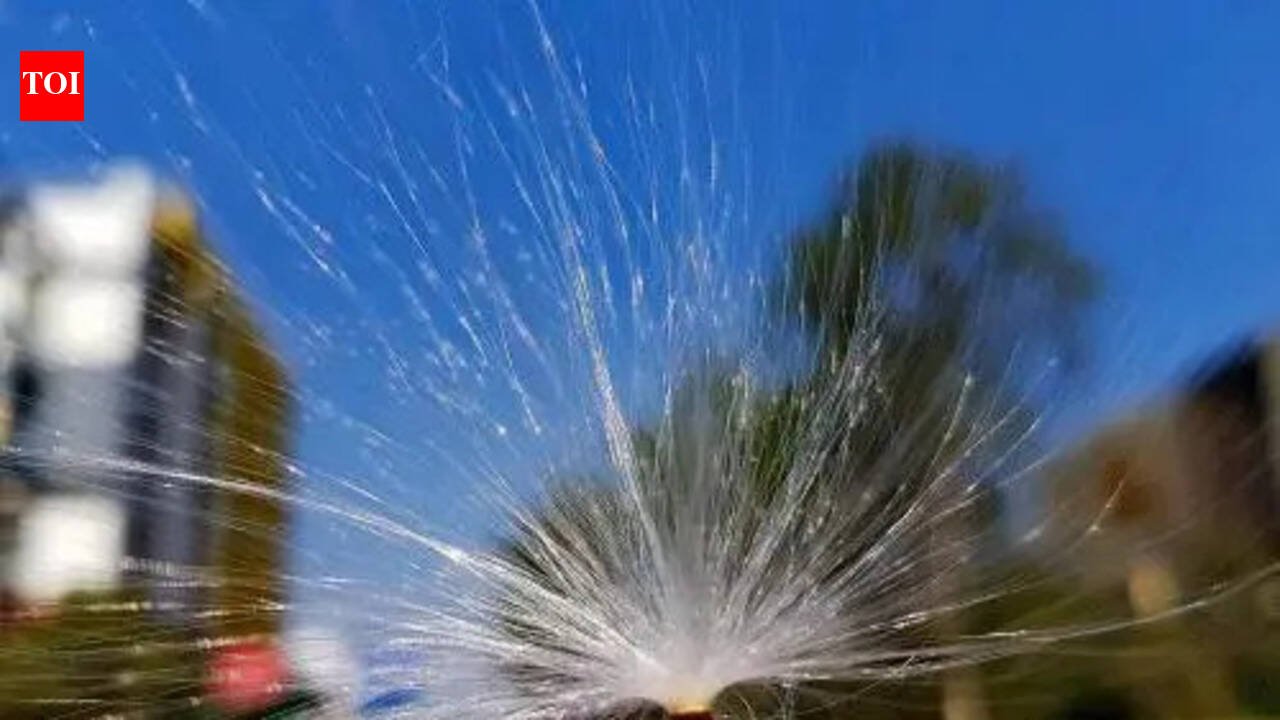
Ludhiana: Amid an ongoing LPG shortage that has disrupted households and small industries across north India, experts say the situation has sharpened focus on natural and sustainable alternatives, including eco-friendly fibres. With interest in “new-age” fibres gaining momentum, milkweed fibre is emerging as a potential substitute and supplement to conventional textile materials.The Northern India Textile Research Association (NITRA) has recently signed a memorandum of understanding with the city-based Oswal Group to explore the commercial potential of milkweed fibre. The agreement follows similar collaborations between NITRA and textile majors such as the Vardhman Group and Ganga Acrowools.Dr M S Parmar, director general of NITRA, said demand for milkweed fibre is steadily rising. “Milkweed is a very good fibre. It is lighter than wool, yet warmer, and provides excellent insulation while remaining soft and lightweight,” he said.Milkweed is a naturally occurring plant commonly found along roadsides and wastelands in regions such as Punjab, Rajasthan and other parts of the country. Despite its widespread availability, it has largely remained underutilised. Dr Parmar said NITRA began research on extracting fibre from milkweed a few years ago and succeeded in developing fibre from its silky floss that can be blended with cotton or wool.He said studies conducted on the fibre revealed encouraging results. “Trials have shown that adding even 20 to 30% milkweed fibre makes fabrics lighter, warmer and more comfortable,” he said, adding that the fibre shows potential for use in a variety of textile products.One of the major challenges in developing milkweed fibre, officials said, has been separating the ultra-light fibre from its seeds. Unlike cotton, where seed separation is relatively simple, milkweed requires specialised machinery due to the delicate and fluffy nature of the fibre. Dr Parmar said NITRA has developed and deployed such machinery, which enables efficient extraction and processing and is set to be unveiled soon.Pilot cultivation projects have already been initiated in Bathinda in Punjab, Sri Ganganagar in Rajasthan and Sirsa in Haryana, with support from the Cotton Corporation of India.Officials said the initiative aligns with the Union government’s recent budgetary emphasis on natural and alternative fibres under the cotton productivity mission, where a dedicated mini-mission has been introduced to promote new fibres such as milkweed.Apart from its textile potential, milkweed is also being noted for its environmental advantages. The plant can grow in saline and low-fertility soils, requires minimal water and remains resilient in polluted environments, making it suitable for cultivation on wastelands.“With greater awareness and technology transfer, the textile industry is expected to adopt milkweed fibre on a larger scale in the coming years,” Dr Parmar said, adding that once the supply chain stabilises, its usage is likely to expand.
