


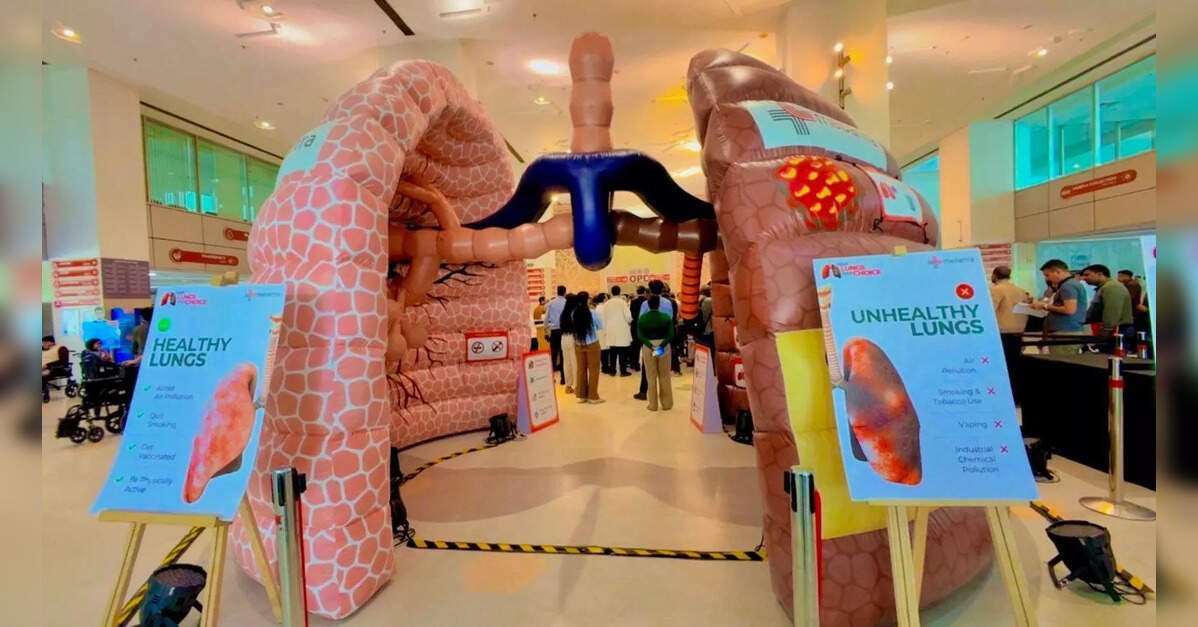
Gurugram: Urging a shift from seasonal concern over air pollution to sustained, year-round prevention and screening, Medanta – The Medicity has launched a comprehensive public awareness initiative to address the growing burden of chronic respiratory diseases (CRDs).
The campaign comes amid mounting evidence that residents of Delhi-NCR face continuous exposure to poor air quality, with winter spikes only intensifying an already persistent threat.
Health experts warn that long-term exposure to particulate matter, alongside smoking, beedi use, and vaping, is accelerating lung damage and pushing CRDs into the top tier of India’s non-communicable disease burden.
Calling for a transition from episodic alerts to continuous vigilance, Dr. Naresh Trehan, Chairman and Managing Director, Medanta, stated that air pollution and emerging lifestyle risks are “silently stealing years from our lives.” The initiative aims to empower citizens with practical knowledge to reduce exposure risks and seek early medical intervention.
India accounts for over 30 per cent of global deaths and disability-adjusted life years linked to CRDs. Recent estimates show particulate pollution levels remain far above WHO norms, contributing to an average 3.5-year reduction in life expectancy nationwide, with potential losses of up to 8.2 years in heavily polluted urban clusters such as Delhi-NCR.
Experts also flagged a major diagnostic gap: nearly 95–98 per cent of COPD cases and around 70 per cent of severe asthma cases in India remain undetected, allowing disease progression before treatment begins.
Stressing that the danger lies in cumulative exposure, Dr. Randeep Guleria, Chairman, Respiratory & Sleep Medicine at Medanta Gurugram, said, “Polluted air is not an occasional event but a daily reality. Lung damage progresses silently, and symptoms often appear only when disease is advanced,” underscoring the need for routine screening and sustained preventive action.
The campaign will focus on community engagement, early detection, and behavioural change to tackle respiratory illness as a chronic public health challenge rather than a seasonal emergency.
