


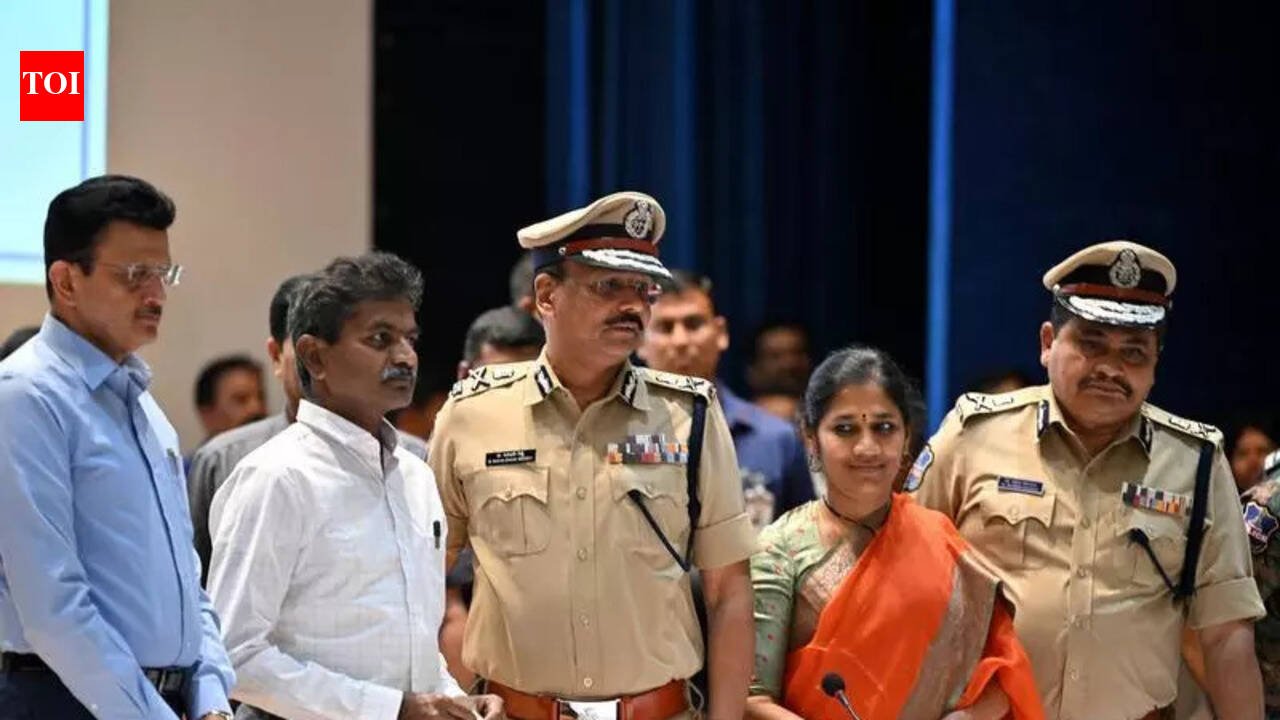
Hyderabad: With the Maoist presence in Telangana reduced to just 11 underground cadres, security agencies say the decades long insurgency in the state has entered its endgame, months ahead of the March deadline earlier set for eliminating its organisational footprint.Police attribute the rapid decline to sustained anti-insurgency operations and a cascade of high-profile surrenders that dismantled the outfit’s leadership structure within the state. Among those who recently laid down arms were Telangana state committee secretary Bade Chokka Rao alias Damodar and senior leader Thippiri Tirupathi alias Devji, developments officials described as a decisive blow to the movement. Director general of police B Shivadhar Reddy said there is “no future for Maoism in Telangana” and appealed to the remaining cadres to surrender and return to the mainstream. He stressed that police action was not tied to any specific deadline and would continue until the organisation was fully dismantled. “The Maoist movement now is headless, leaderless and rudderless,” Reddy said. He added, “Telangana was the cradle of the Naxal movement, and now it ended first in Telangana.” Listing the underground cadres, including veteran leader Muppala Lakshmana Rao alias Ganapathi, he said, “Pusunuri Narahari, Vartha Shekar, Ganapathi’s wife Jode Ratnabai, M Sambaiah, J Susheela, Bhagat Singh, R Bhagya and Sangeeta are the Maoists left over. We are urging all of them to surrender.”The DGP said that intelligence inputs and information from surrendered leaders differ on the status of some senior functionaries. “While our records say Ganapathi, Misir Bisra alias Sagar and Narahari alias Santosh are central committee members and still absconding, the surrendered leaders said Narahari is not a CC member,” he said. Officials say the dramatic thinning of the Maoist ranks in Telangana marks a historic reversal for a state once regarded as the ideological and organisational heartland of the Naxalite movement, with security forces now focusing on persuading the remaining cadres to surrender rather than on large-scale combat operations.
