


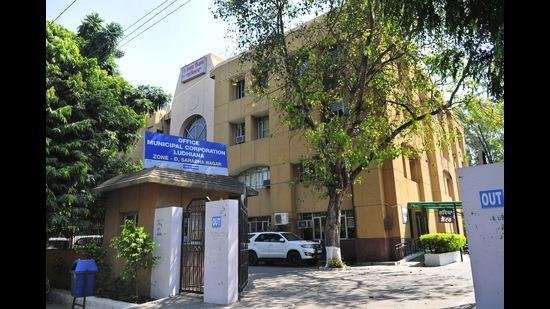
Signalling a steady rise in financial capacity while prioritising core civic needs, the Ludhiana Municipal Corporation has proposed a ₹1,152.50 crore budget for the financial year 2026–27, with a strong emphasis on infrastructure development, service delivery and improved revenue mobilisation.
The budget reflects a balanced fiscal approach, with expenditure closely aligned to projected income, even as the civic body navigates rising establishment costs.
A substantial ₹419.5 crore has been earmarked for development works, focusing on strengthening road networks, upgrading sewerage systems, expanding water supply and improving street lighting.
Officials said these interventions are expected to enhance basic infrastructure and improve the quality of life for residents.
The budget also prioritises desilting of sewer lines and investment in sewage treatment plants to address persistent sanitation challenges in the city.
At the same time, a significant portion of the outlay has been allocated towards establishment expenses, including salaries and pensions, to ensure the smooth functioning of municipal services. Despite these financial pressures, officials maintain that the budget reflects stability and a gradual growth trajectory.
On the revenue front, the civic body continues to rely heavily on its share from the Punjab Municipal Fund (GST/PMF), projected at ₹750 crore, making it the single largest source of income. Property and house tax are expected to contribute ₹173 crore, while building-related fees, including plan sanction and regularisation charges, are estimated at ₹46 crore.
Other key revenue streams include ₹55 crore from water supply and sewerage services, ₹35 crore from municipal tax on electricity consumption and ₹16.7 crore from advertisement tax. The MC also expects to generate ₹33 crore through fines on illegal constructions and composition fees, indicating a dual focus on enforcement and revenue generation.
In addition, several smaller streams are projected to collectively bolster the municipal kitty. These include ₹15 crore from additional excise duty, ₹10 crore from the sale of land and ₹5.35 crore from teh-bazari composition fees. Revenue from road cutting charges, temporary leases, trade licences, cow cess and other miscellaneous heads is also expected to contribute to overall income.
Change of land use charges are estimated at ₹1 crore, while miscellaneous receipts are projected at ₹2 crore.
Officials said that by diversifying income sources across major and minor heads, the corporation aims to ensure a steady cash flow for ongoing and future projects.
Efforts to strengthen revenue collection, particularly through improved property tax recovery, are also expected to enhance the civic body’s financial position.
Overall, the proposed budget underscores the municipal corporation’s attempt to strike a balance between developmental ambitions and fiscal discipline, with a clear focus on sustaining infrastructure growth while maintaining financial stability.
