


Oil cos say India’s petrol & diesel supply is stable and authorities urge consumers not to hoard, still families and businesses have been running scared, from paring down menus to performing ‘Opparis’ around cylindersThe day she heard about the LPG cylinder crisis, Preetha Rengaswamy decided to go fireless. And first up for breakfast in her raw new menu was the Indian flag — a sandwich of carrots, cheese and coriander — that heralded that the stove was now off-limits.Over the past few days bhelpuri has replaced puris, chapathis have made way for chatpata salads; as for dosas, they’re just a distant dream now in the Rengaswamy household.
With cylinder deliveries delayed by up to 25 days across the city, households such as the Rengaswamys are being forced to rethink the way they cook, rationing gas, reviving old induction stoves and rediscovering meals that need little or no fire.“We’re living on a staple of salads, sprouts and teamwork,”says Preetha. “We’re eating healthier, feeling lighter, sleeping better, and most important, cooking together, because I’ve realised over the past week that salads are a heck of a lot of work for a family of six with all the grating and dicing and chopping,” she says.
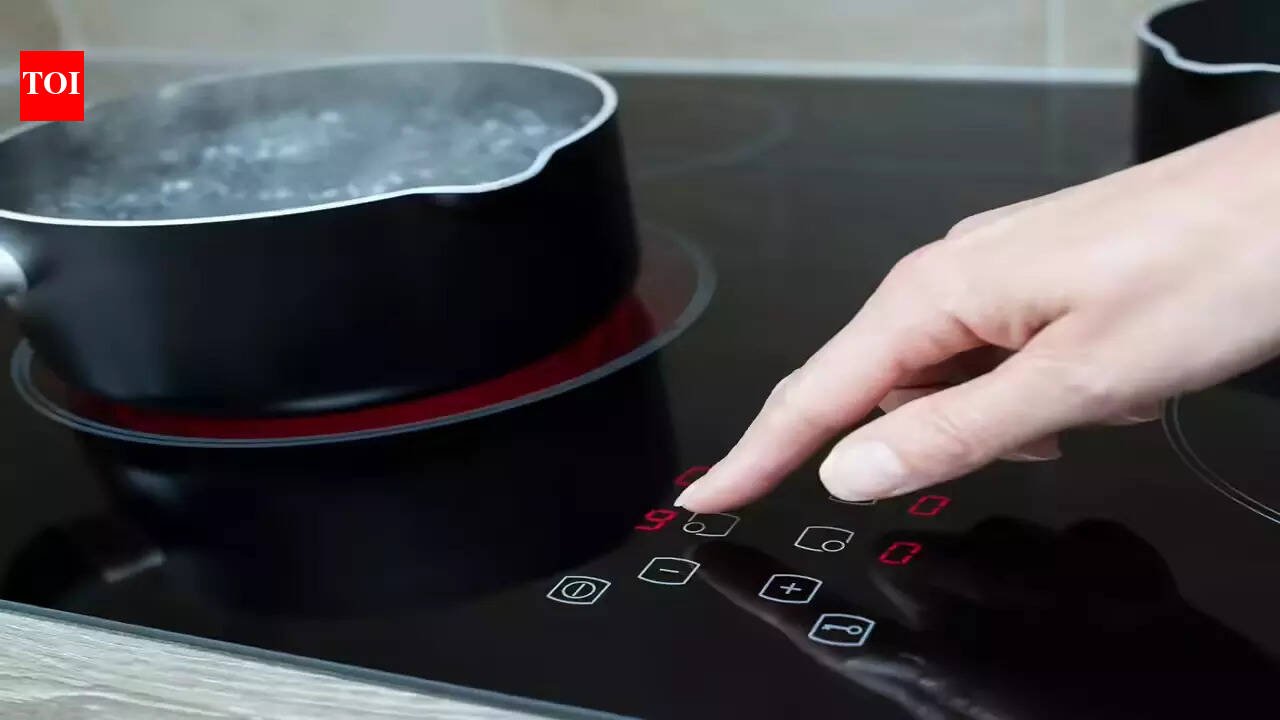
After her booking attempts failed, R Saraswathi dusted off an old induction stove, which she was pleased to note worked to her advantage. “I am cooking dal in half the time that it took on my gas stove. The LPG crisis is making me look at cooking in a different light. Spurred by herinduction stove rediscovery, the West Mambalam resident is now considering roof-top solar panels.If there is one person unfazed by the LPG crisis, it’s Krish Ashok, techie and author of ‘Masala Lab’, a book on the science of Indian cooking. Ashok says he went the induction route a long time ago, finding it to be 30% more efficient than LPG, calling it “the single biggest kitchen hack”. “I change my cylinder once every 10 months now,” says Ashok, who uses the stove only to puff up his chapathis.“The physics behind an induction stove is different from LPG. With gas, the flame first heats the burner and the vessel, and only then does the heat transfer to the food. Much of the heat is lost in that process. In induction cooking, electromagnetic induction generates heat in the vessel itself. That is why water can boil up to 70% faster.”The Chinese, says Ashok, mastered the art of cooking with less energy. “There is a reason behind cutting vegetables into small pieces in many Asian cuisines. In China, cooking fuel was historically scarce. So, people developed methods that used high heat for short periods in a wok. The actual cooking time could be as little as 30 seconds.”Shorter cooking times preserve more micronutrients such as vitamins C and B, which degrade with prolonged heat and leach into water during boiling. Steaming, microwaving, or stir-frying minimises losses compared to long boils, says Meenakshi Bajaj, chief dietitian at Tamil Nadu Government Multi Super Speciality Hospital. “A microwave cooks food from the inside out, whereas a stove heats from the outside. Because the cooking time is shorter, fewer nutrients are lost overall.”
