


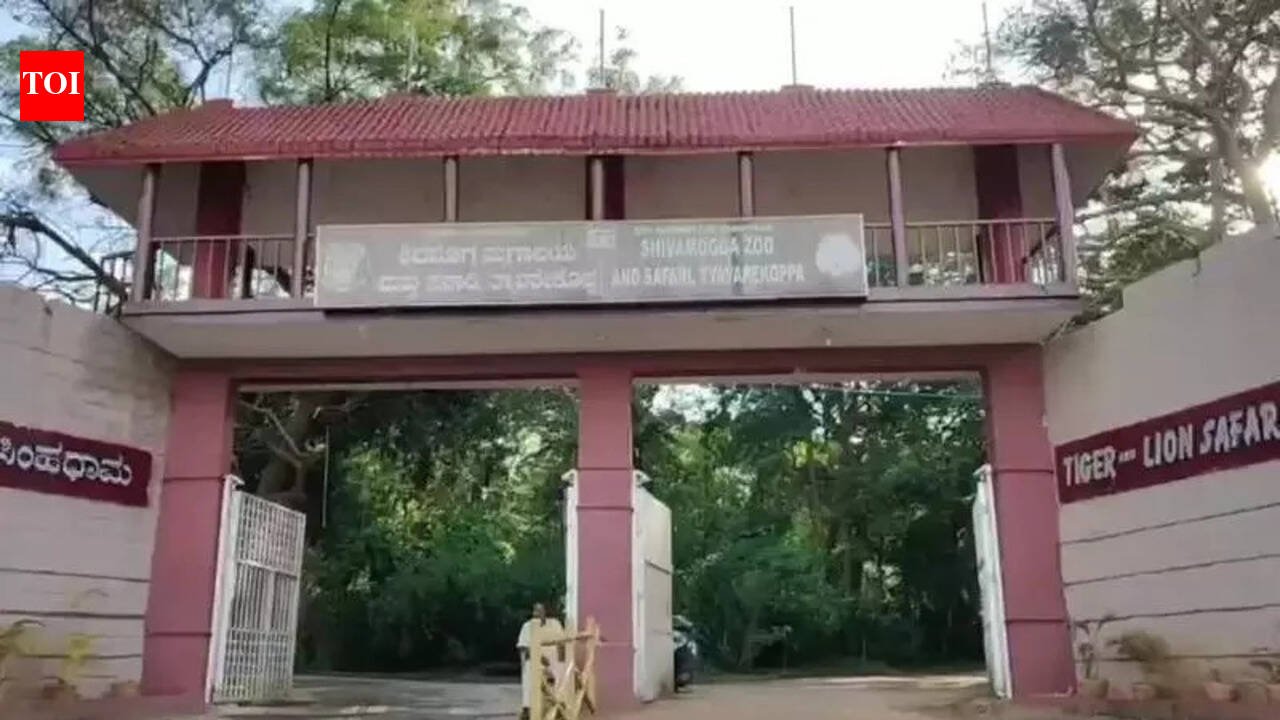
Mysuru: Zoos across Karnataka have strengthened safety protocols following the tragic death of a veterinarian at Shivamogga Zoo while treating a wild animal, late in the night the previous week. Though it is the first such incident of death, Karnataka Zoo Authority chairman K Rangaswamy told TOI that he has instructed all nine zoo authorities to take precautions while handling and treating animals in captivity. Meanwhile, Mysuru Zoo authorities led by executive director P Anusha held a meeting with vets and animal keepers and gave them general instructions. An official explained that situations arise when animals require health care during night hours. In such a situation, senior officers are informed, and necessary precautions are taken to avoid risks from animals. Usually, squeezed cages are used, or animals are sedated while treating ill animals. Moreover, backup teams are also being advised so that immediate assistance is available if a situation turns critical. The tragedy has served as a reminder of the unpredictable nature of wild animals and the need for constant vigilance in zoo operations. Mysuru Zoo provides veterinary care to animals at night when needed, but always with proper precautions to ensure the safety of both animals and staff. Anusha explained that, except in emergencies, all treatments are normally carried out during the daytime. This approach helps veterinary team monitor animals more effectively and perform procedures under better working conditions. The zoo currently has three veterinarians, including assistant director and two veterinary officers, to take care of nearly 1,500 individual mammals, reptiles and birds. The veterinarians work closely with animal keepers and support staff to identify health issues early and provide suitable treatment. Night care is therefore limited to urgent cases, while routine examinations, medication and other medical procedures are scheduled during the day. This system allows the zoo to maintain high standards of animal welfare, the ED stated.Vet risks life to save hippo calf Zoo Authority of Karnataka chairman K Rangaswamy said the intern veterinarian Dr Shamiksha Reddy risked her life to help the hippo give birth to a hippo calf. Despite animal keeper not being available, she risked her life by entering the enclosure along with two other interns late in the night and lost her life. Had the animal keeper been present, the hippo would not have attacked her, he contended. Rangaswamy said two of the hippo’s calves died soon after birth earlier, and as the hippo wasn’t taking food for the last four days, she may have entered the enclosure around midnight to check the pregnant hippo’s health and to save the yet-to-be-born calf, he said.
