
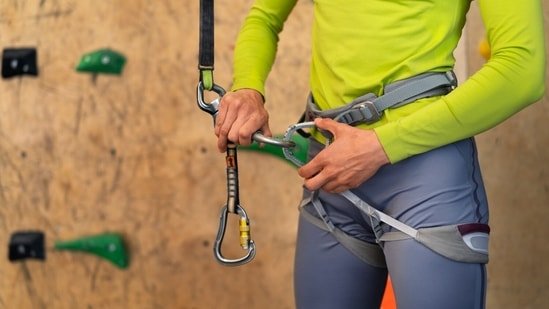
An undated video circulating on social media has ignited a debate over the safety of extreme adventure sports in India. The footage shows a young woman losing consciousness mid-air while strapped into a high-intensity bungee-style catapult ride. As her body’s limpness becomes apparent, bystanders can be heard shouting in distress, highlighting the thin line between an adrenaline rush and a medical emergency. Also read | Enjoy weekend sports? Here’s how to take care of your joints and protect yourself from injuries
The incident prompted HT Lifestyle to reach out to medical experts to reveal the hidden risks associated with these popular attractions.
The ‘other side’ of the thrill
Dr Lalit Modi, additional director of orthopaedics and joint replacement at CK Birla Hospitals, Jaipur, said that while adventure sport activities are designed to push people out of their comfort zones, they often push the human body past its physical breaking point.
“As an orthopaedic surgeon, I see the other side of this thrill: the associated dangers and common injuries,” Dr Modi told HT Lifestyle. He highlighted that many participants are caught off guard by the sudden stress placed on joints and bones.
Common injuries in adventure sports
According to Dr Modi, the most frequent injuries resulting from these activities include:
⦿ Knee injuries: specifically ACL (anterior cruciate ligament) tears caused by abrupt twists or awkward landings.
⦿ Shoulder and wrist trauma: dislocations and fractures often occur during falls or when participants instinctively try to ‘break’ their impact.
⦿ Spinal stress: while less frequent, spinal injuries are the most serious and can be life-altering.
⦿ Loss of consciousness: high G-forces or sudden neck snapping (whiplash) can lead to temporary fainting or more severe neurological impacts.
How to stay safe
Dr Modi shared that most of these traumatic incidents are preventable through preparation rather than luck. Sharing his recommended checklist before participating, he said: “The best part is that most of these injuries are preventable. Proper warm-up, protective gear, strength training, and understanding your physical limits are important. I always recommend that individuals undergo a basic fitness assessment before engaging in high-intensity adventure sports, especially if they are beginners or over 35-years-old.“
He concluded: “Adventure should create memories— not long-term orthopaedic problems. Remember, preparation is not a sign of weakness; it is a sign of wisdom. Enjoy the thrill, but respect your body.”
As adventure parks continue to grow in popularity, the aforementioned incident serves as a stark reminder: respect the machine, but more importantly, respect your body.
Note to readers: This article is for informational purposes only and not a substitute for professional medical advice. Always seek the advice of your doctor with any questions about a medical condition.
