


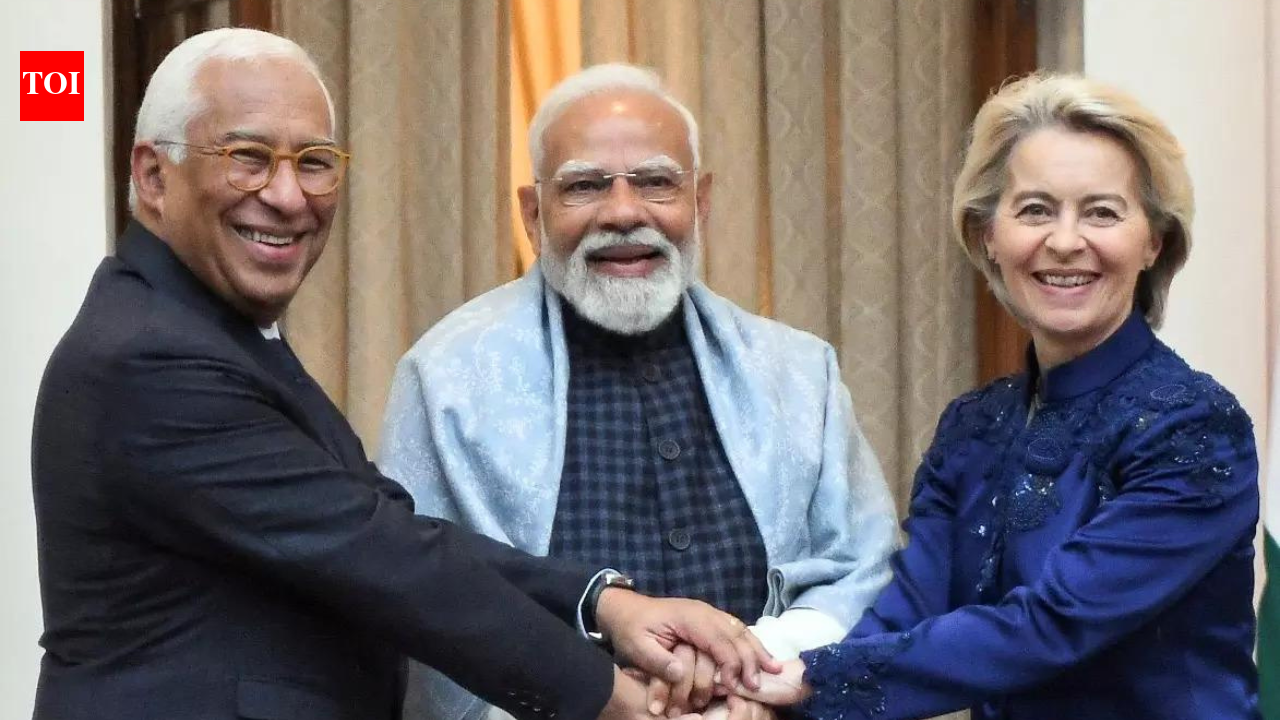
India and the European Union are preparing to grant each other Most Favoured Nation (MFN) status once their landmark free trade agreement comes into force. The move, embedded within the draft text of the agreement, will bind both sides to World Trade Organization (WTO) disciplines and ensure they do not impose new import or export restrictions beyond agreed global rules, as per a report by Reuters.The pact, concluded after nearly 18 years of negotiations, is expected to take effect within a year following legal vetting and ratification by the European Parliament and India’s authorities. It will progressively eliminate or reduce tariffs on 96.6% of traded goods by value. Brussels estimates the deal could double EU exports to India by 2032 and save European companies around €4 billion annually in duties.Prime Minister Narendra Modi described the agreement as “a new blueprint for shared prosperity”, while European Commission President Ursula von der Leyen said it would create “a free trade zone of two billion people”, strengthening economic security in an increasingly volatile world.Under the agreement, India will ultimately remove duties on 96% of goods by trade value, with phased reductions over up to ten years. The EU, in turn, will open 99.5% of its market by trade value, with most tariff lines falling to zero immediately or within seven years. Sensitive agricultural sectors including dairy, rice, sugar and beef have been excluded.Beyond tariffs, the draft text locks in WTO-aligned food safety and plant health standards, streamlined customs procedures and binding appeal mechanisms. Both sides have also committed to deeper digital trade cooperation, recognising privacy as a fundamental right while retaining authority over personal data protection and cross-border data flows.Indian exporters in textiles, leather, gems and seafood are expected to gain immediate zero-duty access to the EU market, while European carmakers and alcohol producers will benefit from steep tariff cuts in India. The agreement also opens wide-ranging services sectors and includes provisions on intellectual property, labour and sustainable development.
