


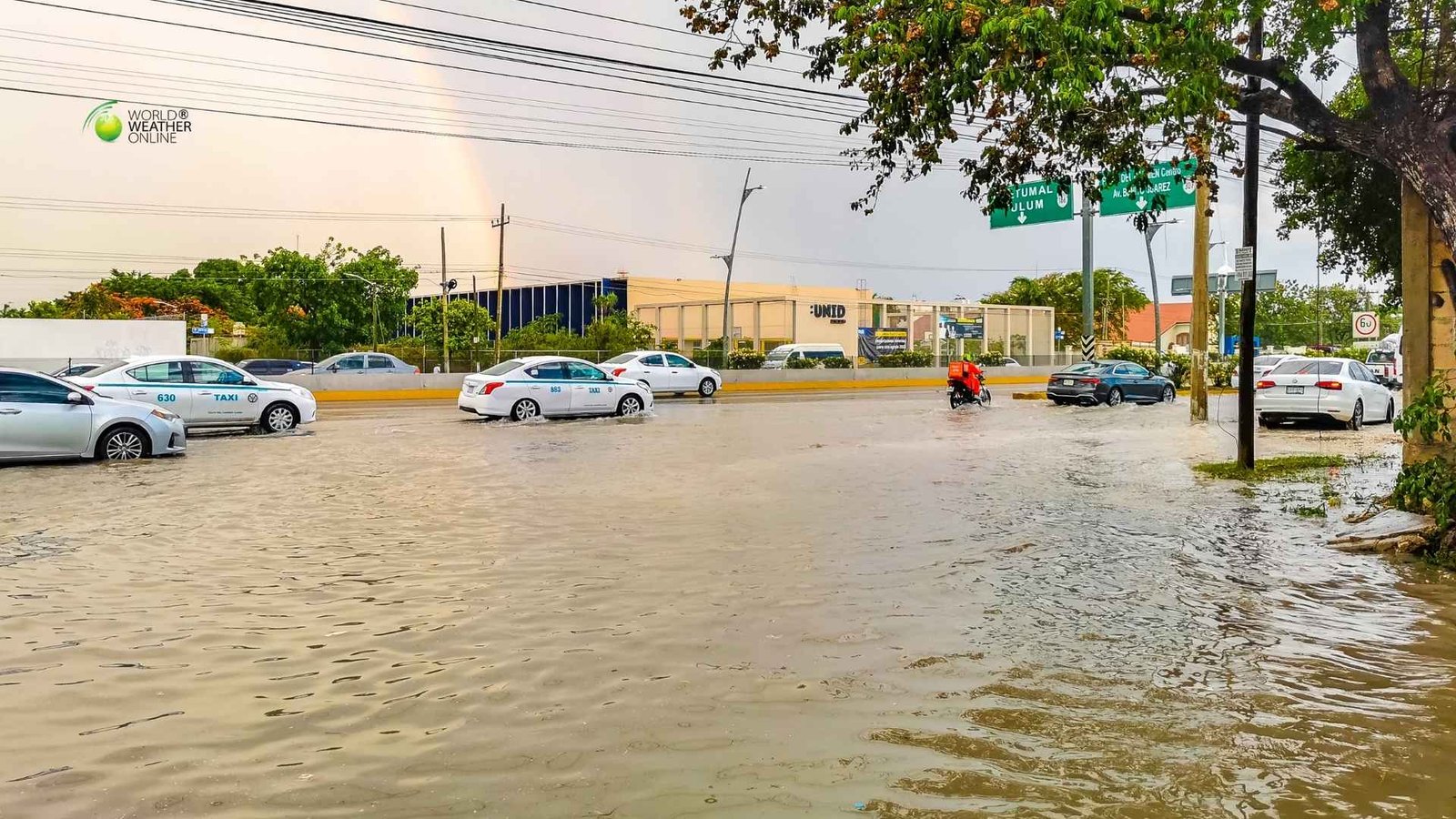
In a renowned island state of the United States in the Pacific Ocean, Hawaii experienced one of the most severe flooding events in decades. Days of relentless rain turned roads into rivers, ultimately forcing evacuations across communities. The impact was so severe that the cost of these floods exceeded $1 billion.
Unlike other floods, the Hawaii flooding was not caused by a single storm, but a combination of atmospheric conditions that overwhelmed the islands. Specifically, at the center of it all was a familiar but dangerous weather system known as the Kona lows.
A Flood Event Decades in the Making
Unfortunately, meteorologists described these floods as the worst in more than twenty years in Hawaii. The scale of disruption was immediate and widespread:
- Over 2,000 residents lost power
- Around 5,500 people were ordered to evacuate north of Honolulu
- More than 200 people required rescue operations
Thousands were forced to evacuate the North Shore of Oahu due to heavy rains and floodwater. Entire neighborhoods were submerged, roads were cut off, and emergency crews worked continuously to assist stranded residents as water levels rose rapidly. However, for many, the flooding came with little time to react.
Record Rainfall Across Oahu
The heaviest impact was felt on the island of Oahu, where rainfall totals reached extraordinary and unprecedented levels. According to meteorological data, 52.15 inches of rain fell at Kaala. In Maunawili and Schofield Barracks, the recorded rainfall was 40.43 and 36.10 inches.
These figures were recorded over a period from 10 March to 24 March 2026, when the flooding was at its peak. A prolonged sequence of heavy rainfall events led to these disasters. Such totals are far above normal monthly averages and indicate how rapidly the ground became saturated, leaving little capacity to absorb additional rain.
Homes Destroyed, Communities Cut Off
After two decades, the residents of Hawaii witnessed floodwaters entering houses, vehicles sweeping away, and roads becoming impassable. Additionally, in some areas, mud and debris carried by floodwaters added to the destruction.
Red volcanic soil covered homes, furniture, and personal belongings, leaving many residents with significant cleanup and rebuilding ahead. Community members also contributed actively to the cleanup operations. Emergency crews, too, carried out dozens of rescues, sometimes pulling people from rooftops or flooded buildings.
The Human Story Behind the Disaster
Among the most striking accounts was that of residents who spent hours trapped by rising waters before being rescued.
In one case, a couple took shelter in a confined space inside their home as floodwaters rose around them, waiting nearly eight hours before emergency teams reached them.
These stories highlight a critical reality of flash flooding, as it can escalate within minutes, leaving little time for evacuation.
What Caused the Flooding? Understanding Kona Lows
There is a special weather phenomenon in the Hawaii region known as the Kona low-pressure systems. Kona lows are winter storm systems that form near Hawaii and draw in warm, moisture-rich air from the tropics. Unlike typical trade wind weather, Kona lows can produce prolonged heavy rainfall, thunderstorms, and strong winds.
Kona lows draw tropical moisture northward, which leads to flooding. Ultimately, it becomes a collection of multiple systems developing in quick succession. However, the current flood situation was made worse because the ground was already saturated from earlier rainfall.
Additional storms in a sequence also added more moisture, and, as a result, drainage systems were overwhelmed. This combination brought ideal conditions for severe flash flooding.
Impacts of Hawaii Floods
A major concern emerged around the Wahiawa Dam, a structure dating back to 1906. Rising water levels raised fears of potential failure, prompting urgent monitoring and response efforts.
It was being speculated that the Dam could go into dust due to the heavy flooding. Luckily, it got saved, but authorities announced significant upgrades, spillway expansion, and an investment of around $20 million to improve safety.
Beyond immediate destruction, the floods also caused significant economic damage. With total losses of around $1 billion, agriculture suffered heavily, with more than $9.4 million in damage statewide. In Oahu alone, over $2.7 million in crop losses were reported.
How Does This Compare to Past Floods?
Hawaii has experienced severe flooding before, but events of this scale are relatively rare. Analysts compared the March 2026 Hawaii flooding to major events from the early 2000s, noting that such widespread and prolonged rainfall had not been seen in decades.
However, there is growing concern that these types of events may become more frequent due to climate change and global warming. Climate scientists have observed that heavy rainfall events in Hawaii are becoming more intense over time.
Ocean temperatures are rising due to warmer air carrying more moisture. Due to this, storms have access to greater energy and moisture, increasing the likelihood of extreme rainfall.
Precautionary Measures During Flooding
Whether it be Hawaii floods or in any other region, the following safety measures should be taken for maximum safety.
- Never drive through floodwaters — even shallow water can sweep vehicles away
- Follow evacuation orders immediately
- Monitor weather alerts closely during prolonged storms
- Prepare emergency supplies for power outages and water disruptions
After closely observing recent weather events, including the Hawaii floods, one thing is certain: extreme weather is becoming more complex, and we must prepare not only for stronger storms but for longer and more unpredictable weather patterns.
