


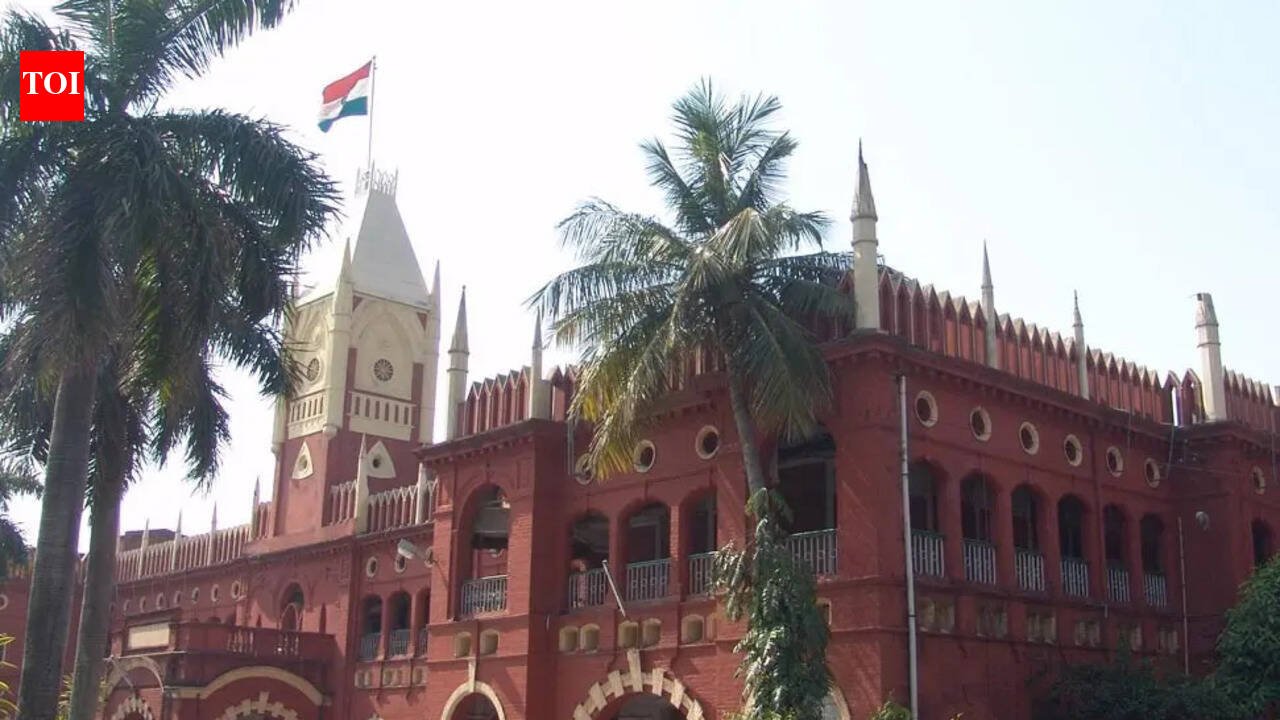
Cuttack: Orissa high court has upheld the limited diversion of surplus ‘gochara’ (grazing) land for public use, ruling that such utilisation is legally valid when based on objective assessment and does not substantially affect villagers’ grazing rights.In a judgment delivered on March 31, a single judge bench of Justice Sasikanta Mishra dismissed a writ petition challenging the installation of a statue of Bandhu Mohanty, a revered legendary devotee of Lord Jagannath, in Duttapur village of Jajpur district.Three residents of the village had contested an earlier order of the Jajpur collector dated Dec 18, 2025, which rejected their objections to the installation. They argued that the land in question — recorded as ‘gochara’, measuring 10.75 acres — was traditionally used for grazing cattle and should not be diverted for any other purpose.However, Justice Mishra noted that a detailed inquiry had been conducted in compliance with the court’s earlier directions. Reports submitted by the Dasarathpur tehsildar and the Jajpur sub-collector based on field verification by the revenue inspector confirmed that 8.06 acres of ‘gochara’ land remained surplus in the village. Of the total land, only 4 acres had been earmarked for the statue, and the actual structure occupied a negligible 0.02 acres.Relying on these findings, Justice Mishra held that the diversion was minimal and did not materially alter the character of the land or deprive villagers of their grazing rights. It emphasised that the concept of ‘surplus gochara land’, when determined through objective assessment and supported by documentary evidence such as trace maps and calculation sheets, cannot be termed arbitrary.The court also took note of the petitioners’ failure to participate in the administrative proceedings despite repeated notices. Observing that they did not avail of the opportunity to present their case, the Bench held that they could not later claim inadequate consideration of their grievances.Reaffirming the limited scope of judicial review under Articles 226 and 227 of the Constitution, Justice Mishra said: “Unless the order under challenge is shown to be arbitrary, perverse or in violation of statutory provisions, interference is not warranted. In the present case, no such infirmity is made out.”The legendary tale of devotion of Bandhu Mohanty, a poor villager whose unwavering faith in Lord Jagannath dating back to 1818 is recorded in the Madala Panji – the official temple chronicle. Hailing from Duttapur on the banks of Baitarani river, Bandhu practised ‘Sakya Bhakti’, treating the deity as a close friend. During a famine, he travelled over 140 km to the Jagannath Temple in Puri seeking help. Legend says Lord Jagannath fed his family miraculously, but Bandhu was later arrested for possessing a temple gold plate. The king of Puri, guided by a divine dream, ordered his release and appointed him a temple official, a role his descendants reportedly continue.
