


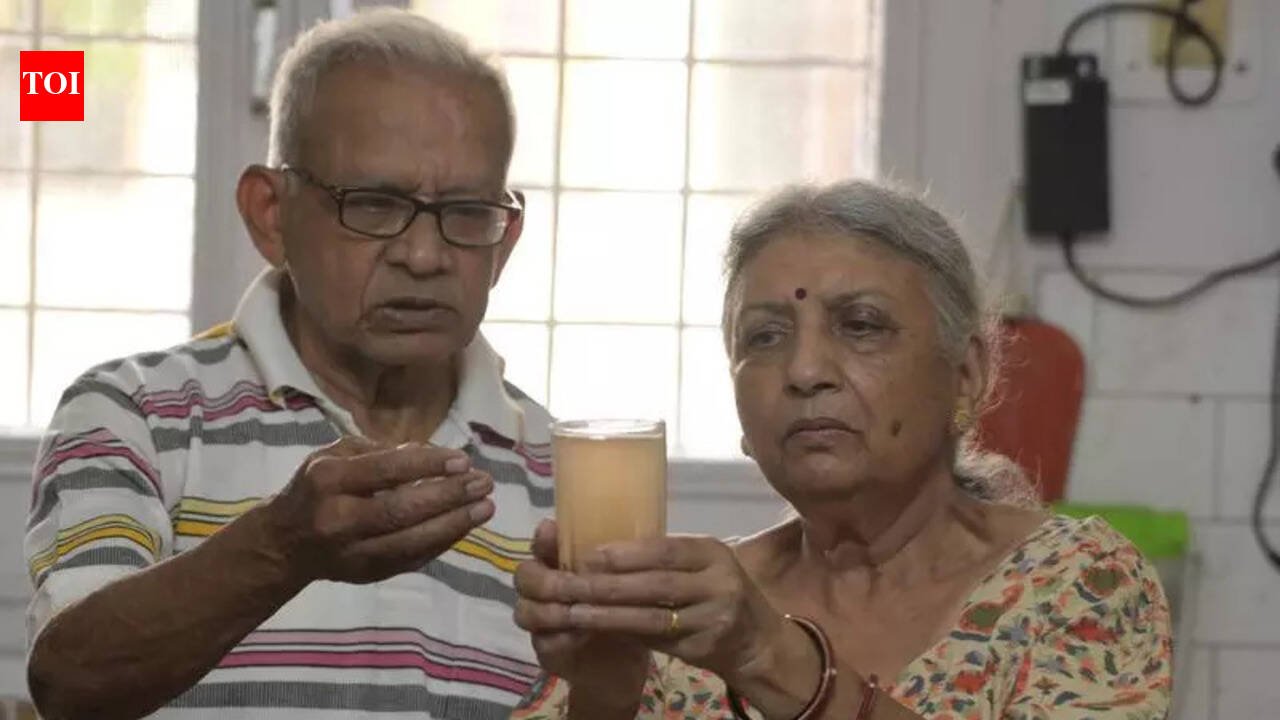
Nagpur: The Nagpur bench of the Bombay high court on Thursday issued notices to the state govt and civic authorities after reports revealed that contaminated water was being supplied to nearly 50 localities across nine zones of the city, potentially affecting around 4 lakh residents.A division bench comprising Justices Anil Kilor and Raj Wakode took serious cognisance of a TOI report highlighting the issue and directed that a suo motu PIL be initiated to examine the matter.The court issued notices to the principal secretaries of the water resources and supply departments, the Maharashtra Jeevan Pradhikaran, the Nagpur Municipal Commissioner, and Orange City Water, directing them to file their responses within 3 weeks. Amicus curiae Ishika Mahadule submitted a PIL raising the issue formally before the bench.The bench noted that the issue surfaced prominently following a recent meeting chaired by the city’s mayor. According to information presented during that meeting, contaminated water supply was detected in 9 out of the city’s 10 administrative zones.Court records indicate that several densely populated areas were affected by the problem.In Laxminagar zone, localities including Ajni and East Samarth Nagar reported contaminated water supply. The Dharampeth zone includes areas such as Dabha, Pandhrabodi, and Panchsheel Nagar. In the Dhantoli zone, Vasant Nagar was identified among the affected neighbourhoods.Nehru Nagar zone includes Nandanvan Layout, Gurudev Nagar, Kavelu Quarter, and Tajbagh among the impacted areas.Similarly, in Gandhibagh zone, residents of Siraspet, Jalalpura, Ganeshpeth, and Lodhipura reported contamination in drinking water supply.Sataranjipura zone includes localities around Itwari railway station, Premnagar, and Bhankheda.Other affected areas include Bhandewadi slum, Pardi, and HB Town in Lakadganj zone; Pawan Nagar, Hudco Colony, and Nara village in Ashi Nagar zone; and Borgao and Nikhare Layout in Mangalwari zone.Taking note of widespread nature of problem, HC observed the issue could not be treated as an isolated complaint limited to a single locality.
