


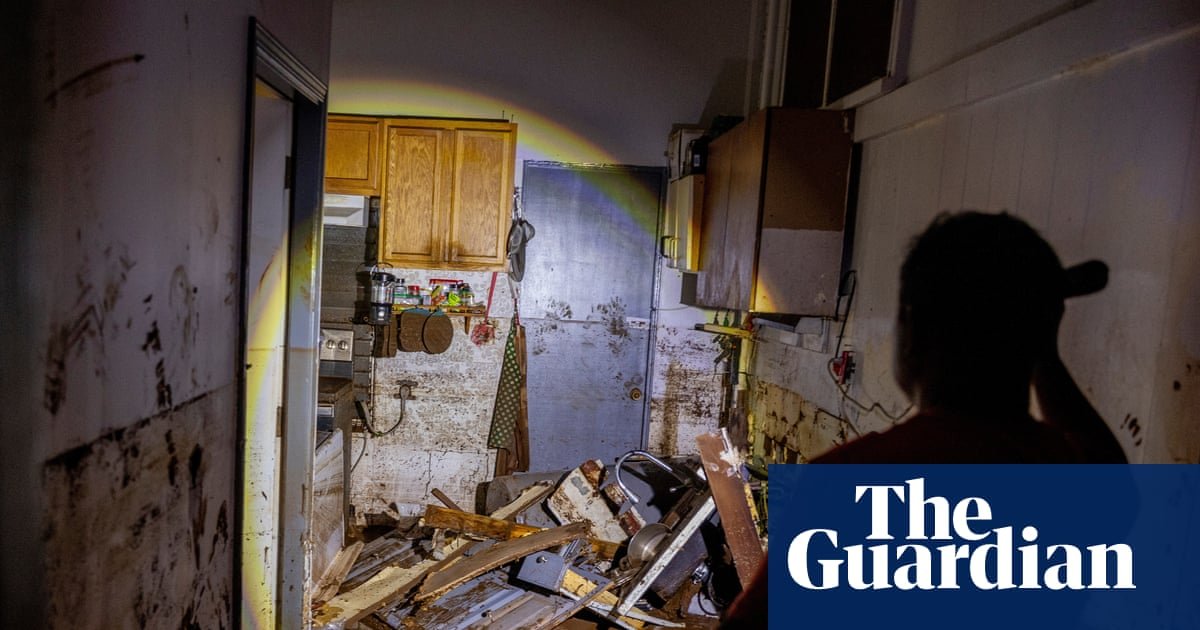
Hawaii is coming to grips with the extensive damage left by the worst flooding the islands have seen in more than 20 years.
Over the weekend, heavy rains fell on soil already saturated by downpours from a winter storm a week ago, forcing thousands on the North Shore of Oahu to evacuate before more evacuations for parts of the island of Maui.
The rains lifted houses and cars, inundated farms, swept through grocery stores and left a thick layer of mud in streets, homes and gardens. Authorities cautioned that a 120-year-old dam could fail.
More than 200 people were rescued from the rising waters. No deaths have been reported as of yet, Molly Pierce, spokesperson for Oahu’s department of emergency management, said on Sunday afternoon.
By Sunday afternoon, the worst of the storms appeared to be over, Hawaii meteorologist Matthew Foster told the Associated Press. The weather shifted from widespread showers to scattered rain from Oahu, Maui county to Hawaii Island. Less than 5in (13cm) of rain is expected for Hawaii Island, with between 1 to 2in in other areas.
Winds will pick up out of the north-east sides of the islands, which have more vegetation and can handle more rain, Foster said. It will take a couple days for the moisture to push past the islands, and drier and more typical March weather can be expected by Wednesday.
Additional flooding could still occur, but more on an isolated scale rather than widespread, Foster said.
Assessment crews will be on the North Shore through at least Monday, Pierce said. But it is already clear the damage of the floods is extensive. The Hawaii governor, Josh Green, said the cost of the storm could top $1m, including damage to airports, schools, roads, homes and a Maui hospital in Kula.
In Waialua and Hale’iwa on the North Shore, many homes in lower-lying areas were covered in mud. Yards were filled with debris. Crews were clearing roads. Residents were sifting through belongings, deciding what to keep and what to toss.
A boil water notice remained in place on Sunday for North Shore areas from Mokuleia to Turtle Bay, and residents were encouraged to report damages to the city.
Winter storm systems known as “Kona lows”, which feature southerly or south-westerly winds that bring in moisture-laden air, have been responsible for the deluges in the past two weeks. The intensity and frequency of heavy rains in Hawaii have increased amid human-caused global warming, experts say.
