


I have worked hard; shown up on days when I would rather have rested. Done more homework than was required. Treated discipline as a virtue.
But if I’m being honest, I have also been lucky. That is the part of the story most of us rarely narrate.
The ability to work hard is itself a form of luck. In India, we confuse stamina with virtue. But stamina comes more easily when one has been well-fed as a child. Studying hard is easier when one isn’t worrying about unpaid fees, or the lights going out. Growing up, these didn’t feel like privileges. Which is precisely how privilege disguises itself: as default.
Health is luck. I know this from experience. When I had a health scare some years ago, what followed was not just resilience on my part. People in my life showed up. I was in an organisation that rallied around too. Colleagues rearranged work schedules. Friends made calls I didn’t know how to make. Appointments were secured. I had access to the best care, largely as a result of this network.
Being able to focus on recovery rather than logistics is luck. Being surrounded by competence when you are not at your strongest is luck.
Being born into a surname that does not close doors before you is luck.
Growing up speaking English fluently is luck, not because English is superior, but because it remains the operating system of power. Speak it without self-consciousness and one begins half a step ahead.
Connections are luck. Knowing someone who knows someone is the essence of social structure, and one’s place in it is sheer chance. Yet each introduction can potentially save one years in a career arc. The recommendations that move résumés to the top of the pile form the quiet scaffolding of mobility.
Over time, I have told myself a story of merit that is, admittedly, true. But effort is not a free-floating virtue. It operates within conditions. It helped that mine were stable.
We worship the myth of the self-made person. It is one of the most flattering stories urban India tells about itself. It reassures each of us that our success is deserved.
But the longer I look at my life, the harder the questions come. Did I work harder than everyone else? Certainly not. I know people who worked far harder and had far less success.
For instance, I have had friends who married early and, as wives and mothers, found that work was deemed “unnecessary”. This is how it has always been, they were told.
A former colleague who might have built institutions tells me with frustration that the most she is allowed to do is ensure the dishes are served in the right order at family gatherings. She did not lack effort. She lacked permission.
When I describe my path as self-made, I have to ask what might have happened had I been born into the same constraints.
None of this negates effort. It complicates it. The temptation is to perform humility; to publicly diminish one’s achievements while privately retaining the hierarchy. That is the dishonest way out.
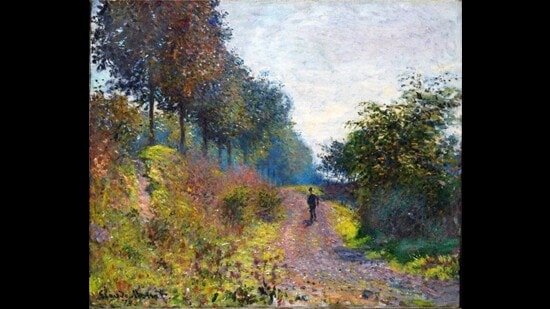
The harder task is to hold two truths at once. I worked hard. And I was fortunate. I chose my steps. But I did not build the road.
Failing to acknowledge this distorts how we view others.
In a country as layered as ours, it is vital to recognise that the starting line matters.
I continue to work hard; continue to strive. But the story I tell myself now is less self-congratulatory.
Merit is real. Luck is real. We rarely acknowledge them equally. I aim to change this, at least in my corner of the world.
(Charles Assisi is co-founder of Founding Fuel. He can be reached on assisi@foundingfuel.com. The views expressed are personal)
