


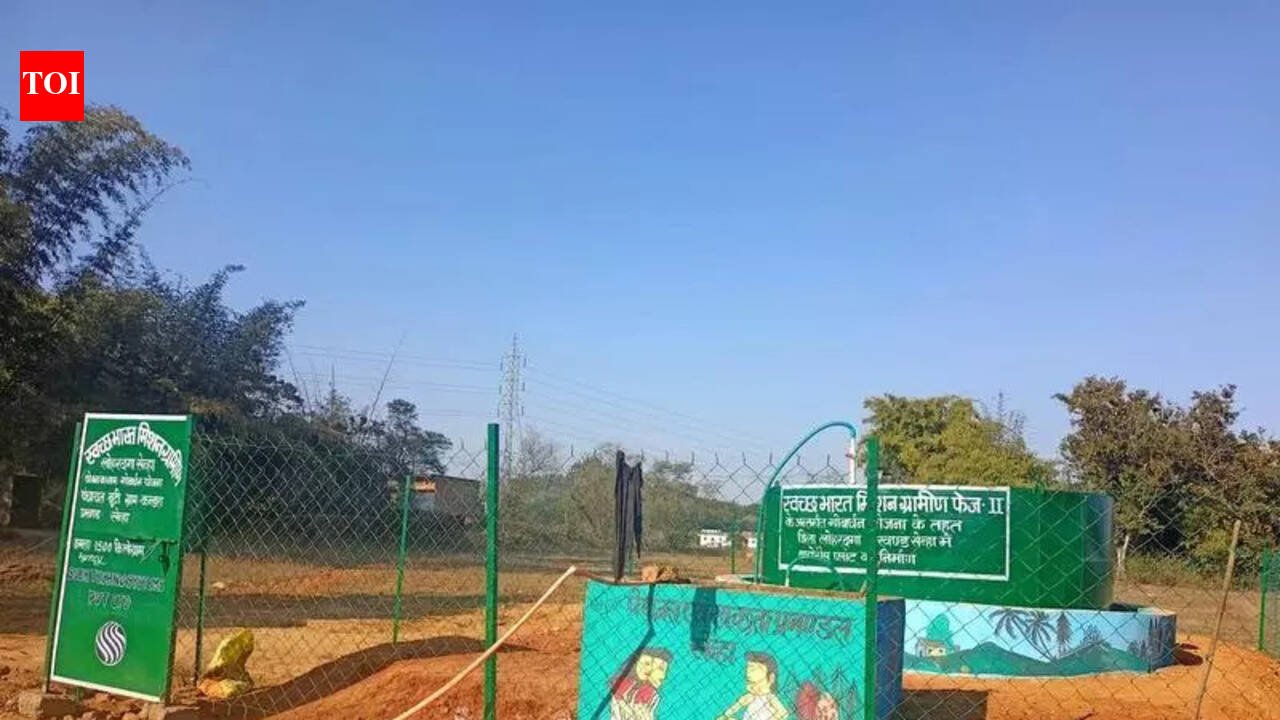
Ranchi: The push for clean and environment-friendly energy is gaining momentum in Jharkhand, with gobar gas plants steadily expanding under the Galvanising Organic Bio-Agro Resources Dhan (GOBARdhan), ‘Kachre se Kanchan’ (waste to wealth) initiative. The main focus of GOBARdhan is to keep villages clean, increase the income of rural households, and generate energy and organic manure from cattle waste.The scheme was launched by the Centre in April 2018 as a part of the Solid and Liquid Waste Management component under Swachh Bharat Mission (Grameen) (SBM-G) 2.0 to positively impact village cleanliness and generate wealth and energy from cattle dung and organic waste.“Under the scheme, a total of 44 gobar gas plants have been set up in 24 districts across the state, benefiting 745 families. Many districts in the state have a culture of cattle rearing. But the people were only confined to milk production initially, but under the GOBARdhan scheme since 2020-21, cow dung is also being used to produce cooking gas, ending dependency on firewood by rural population,” Manohar Marandi, special secretary, Jharkhand Swachh Bharat Mission (Grameen) said.The gobar gas plants have proven efficient in curbing pollution and improving the health of rural people. Earlier, heavy smoke emanating from the burning of firewood adversely impacted their health.“Apart from that, it also helps in managing a major portion of solid waste in villages, such as cow dung and agricultural waste, and promotes environmental sanitation and reduces vector-borne diseases and public health,” Marandi added.The plants have also been helping boost household income as the use of biogas reduces the expenditure on LPG. The same cow dung, used in biogas production, can later be used as manure for their agricultural produce, enhancing farm productivity.Marandi further said that in situations like the recent LPG crisis, when the entire country faced scarcity of cooking gas, “the families that are dependent on biogas had not faced any difficulties, as there is no dearth of cow dung in villages and they continued to produce their own fuel. Seeing the success rate of the plants, the department is planning to set up around 10 more such plants across the state in the next financial year”.“The households do not have to pay anything for using the gas, except a meagre financial contribution to keep the plants running. The amount is also decided by the village-level committees,” Digvijay Kumar, state consultant of SBM-G, said.
