


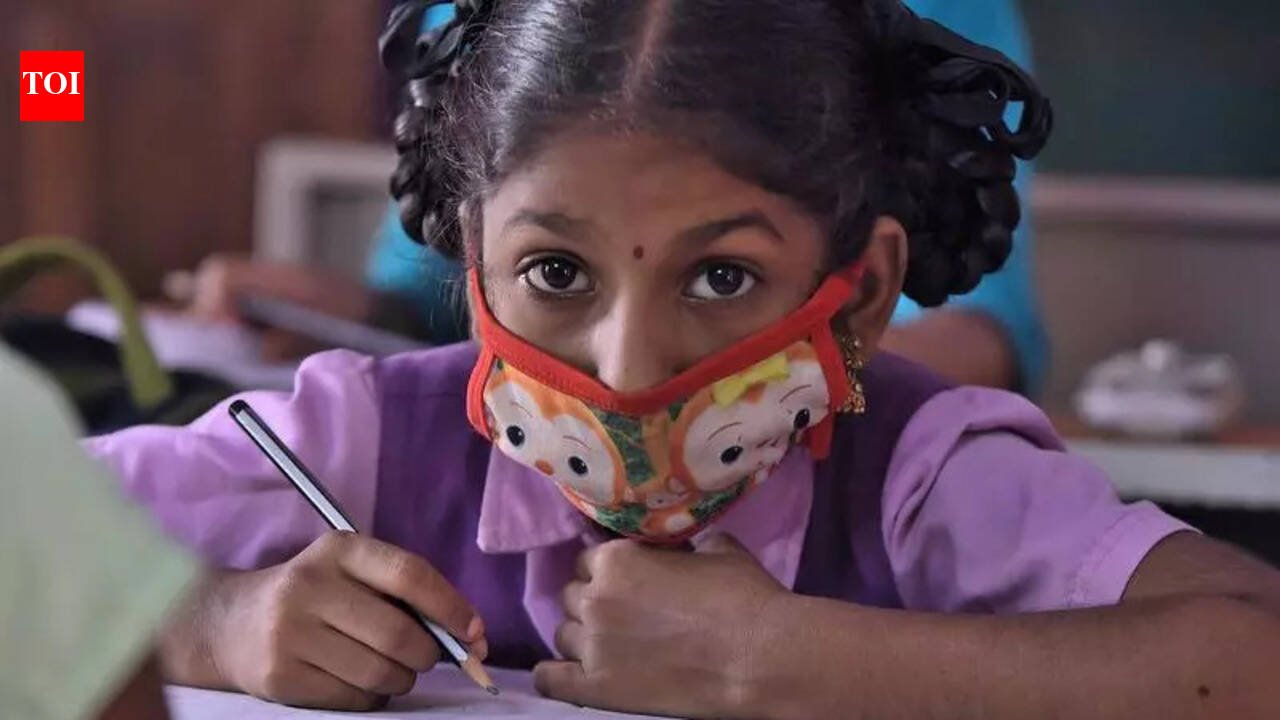
“Mom, if we could trade things for a day… what would you take from me?” asks a restless 14-year-old Katyayani.Her mother Meera, three decades older, looks up and smiles. “Your fearlessness,” she says. “The way you question everything.” The teen grins. “Then I’ll take your certainty. You always seem to know where you’re going.” “Trust me,” Meera says, “that certainty came at a cost.” A pause settles between them. “I’d also take your time,” Katyayani adds quietly. “You had more space to figure life out.” “And I’d take your voice,” her mother replies. “You say things my generation learned to swallow.”The room grows thoughtful. Because this exchange — one generation giving something so the next can gain a little more — has always been the quiet, unspoken rhythm of womanhood. Time traded for courage. Silence exchanged for voice. Sacrifice handed forward so someone else can move a little freer.This is the invisible inheritance passed from one generation of women to another. A relay where progress is passed forward, often without applause, but carried gently in perspective. So what would this exchange look like today, between millennials and Gen Zs or the Gen Alphas? What would each generation offer — and refuse to pass on? What millennials want to gift Gen Z For many millennial women, the imagined gifts for Gen Z reflect a mix of practicality, concern and hard-earned experience. Ankita, 34, offers an answer rooted in the city she grew up in. “Cleaner air,” she says. “We breathed better air as kids. This generation is already living with the consequences of pollution.” To her, this isn’t a symbolic gift — it’s a reminder that environmental stability was once normal, not aspirational. Others turn to tools that make life easier to navigate in a world that moves too fast. Kamakshi says she would gift planners, finance guides and resources that build resilience. “These small things create habits,” she says. “They help when you’re figuring out careers, money, relationships — all the things that hit you at once in your 20s.” Deepali, 36, dreams of gifting something Gen Z rarely gets: time off screens. “More days without devices,” she says. In a world where notifications never pause, she believes silence itself has become a luxury. “Getting even a few hours to disconnect can help them reconnect with themselves.” But millennials are also clear about what they don’t want to pass down: pressure. Deepali refuses to gift “societal expectations”. Kamakshi wants to leave behind the culture of comparison fuelled by social media — a cycle she believes hurts both generations in different ways. What Gen Z would offer in return Gen Z’s imagined gifts for millennials are surprisingly personal — not flashy, but intentional. Khushi, who lives in Vikaspuri, says she would choose something handmade: paintings, candles, personalised cards. “Gifts should feel like time and effort,” she says. But she also notes millennials appreciate practicality, so watches, perfumes or bags — useful but meaningful — make sense too. For Raveena, the gift is not a product but a perspective. She would offer feminist literature — books carrying stories of women who fought, built, broke rules and changed realities. “Books that give strength and awareness,” she says. “The kind that makes you rethink the world.” And what would Gen Z want in return? Not much, they say. Khushi insists even a sincere thank you goes a long way because for her, gifting is about appreciation, not transaction. Raveena hopes only for greater perspective — an acknowledgment that there is never just one story behind a person, city or generation. Gen Z is also firm about what they won’t gift. Digital subscriptions top the list — games, OTT apps, anything that traps people into more screen time. Raveena adds she would never gift AI tools that reduce independent thinking. “We’re already losing some of that,” she says. “Why hand someone a shortcut that creates dependence?” To be continued in the voice of the next woman…Across these conversations, the gifts gradually turn into narratives — stories of what one generation endured in silence and what another now questions aloud. Small exchanges, like the one between Katyayani and her mother, begin to reflect larger truths about how women live, adapt and redefine freedom over time. With every conversation, the landscape of womanhood shifts a little. Not always through grand revolutions, but through everyday acts of sharing — passing forward clarity, courage and understanding from one generation to the next.
