


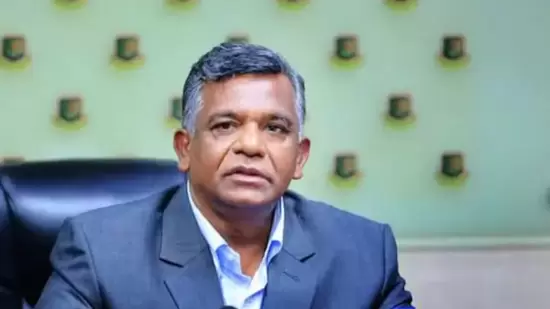
The Bangladesh Cricket Board has spent the first portion of 2026 in global focus. First, the stand-off against the BCCI and the ICC as a result of the Mustafizur Rahman IPL ban saw the board withdraw from the 2026 T20 World Cup, and following that fiasco, the Bangladesh government launched an investigation into the elections that saw Aminul Islam’s rise to BCB presidency.
With another BCB-led standoff brewing as the board warns the government regarding the pitfalls of any investigations, former general secretary and ACC CEO Syed Ashraful Haq pointed out that the board could be in deep trouble, since it comes directly under the jurisdiction of the Bangladeshi National Sports Council, first and foremost.
“It is a kind of threat, saying they communicated with the ICC regarding interference, so that they will be saved,” Ashfraful said regarding the BCB’s earlier warning shots towards the government, in a conversation with the Daily Star.
“It is quite ironic for the current board to complain to the ICC. If BCB can’t run cricket well, NSC has the right to dissolve it – it’s there in the laws,” he explained.
If the BCB is set to fall under the immediate purview of the NSC and the sports ministry, it could spell trouble as a paper trail points towards some damaging evidence in Aminul’s candidacy. The sports ministry’s probe was launched with an intention to dig into ‘irregularities, manipulation and abuse of power’ in Aminul’s BCB, and that could lead to drastic responses if proven to be true.
“The cricket leagues weren’t run well, among other issues, and if there were violations of election laws, they can dissolve it,” continued Ashraful. “NSC can do that without question because BCB is a part of NSC.”
‘We are under the ICC but…’
As for what role the ICC can play in this battle – Ashraful warned that the BCB would be out of chances if the NSC opted to go with the nuclear option, with the ICC not delegated enough power to lend a rescuing hand.
“ICC also cannot raise objections since this is outlined in the BCB constitution, which the ICC follows. Yes, the ICC has guidelines regarding good governance through democratic elections, but those are guidelines, not mandatory requirements,” he explained.
“We are under the ICC, but first we are under the NSC, which is the parent body. The ICC does not interfere in domestic governance as long as the BCB constitution is followed,” he continued. “It did not intervene when Pakistan changed its board president multiple times within a few months. ICC is not our master; they are facilitators and friends. They will follow the constitution.”
NSC prepared for conversation with ICC
Earlier, Bangladesh sports minister Aminul Haque had indicated while speaking to reporters that the NSC and government would not take any unilateral action. Rather, they would consider the findings of the report and only take action after conversation with the ICC, which would nullify the BCB’s threat of any in-proviso organisation being suspended.
“We are all aware of direct interference from our previous government in the BCB elections last year… I will read [the investigation committee’s] report, but my next step will come after I have spoken to the ICC,” Haque had said on March 19.
