


Recognising the major challenge of low female labour force participation (FLP) in India — 31% of working-age women participating in the labour force, compared to 54% in other major economies — there is growing policy and programmatic emphasis on women-led development.

However, low FLP is driven by multiple factors, including the disproportionate burden of domestic and caregiving responsibilities, entrenched social norms and gender roles, and structural barriers such as gender inequality, invisibility, and violence.
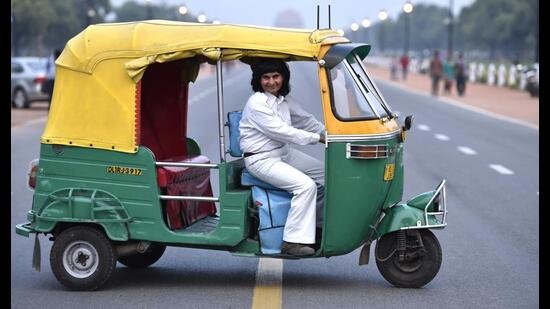
Navigating systemic discrimination and invisibility is nothing new for many women in the workplace. It is particularly sharp in a male-dominated profession like auto-driving. The Tamil-language documentary Auto Queens is an eye-opener. Set in Chennai, where only 0.5% of women are auto drivers, the film tells the story of two women drivers, Mohana, the visionary president of Tamil Nadu’s first women-led auto rickshaw collective and her friend and confidante Leela Rani. Mohana is gentle and believes in quietly challenging the patriarchy, while Leela Rani is a fiery personality undaunted by the slings and arrows of the male system they work in.
Sitting on a Chennai beach at sunset, they talk of their lives and their approaches to the daily injustices they face. It is the small things that bother Leela Rani like not being given a bit of space to park her auto, being talked down to, all of which she does not take lying down.
The story of the two friends is merged with the sense of community in which Veera Pengal Munnetra Sangam (VPMS) was born, rooted in a vision for systemic change and inclusion in the Indian mobility sector. Supported and organised by the Empowering Communities Through Education (ECTE) Foundation and powered by an impact grant from Storiculture, Auto Queens premiered at the renowned International Documentary Film Festival Amsterdam (IDFA).
Mohana reflects, “Trying to make a living as a woman auto driver can feel overwhelming solo. But when we come together, suddenly people listen and doors open … getting loans or applying for government subsidy schemes become less daunting.”
Together, they bear the torch for a growing network of women drivers who dream of equal opportunities. The two drivers’ everyday negotiations for space are a powerful testament to the quiet mobility revolution sparked by the enduring power of friendship, unwavering grit, and profound sisterhood. “I feel so happy and proud that a Tamil documentary featuring us and showcasing our all-women auto drivers collective is being shown to the world!” Leela Rani says. “I eagerly await its release in other places, and the audience’s response to it.” Mohana adds, “The reason why this network was formed is because a lot of women faced so many challenges from men within and outside our field. We are constantly denied access to the same public spaces other drivers and male citizens occupy easily. As a collective, we can sort out these squabbles by arriving at the spot and discussing it with the men. We’ve decided to request the government to pick up points for women drivers that are safer and can be accessed by mobility apps.”
The film’s impact goes beyond the screen to push for sustainable livelihoods for India’s growing women workforce — over 100 women drivers are now being trained in digital and financial literacy through the vibrant collective.
The views expressed are personal
