


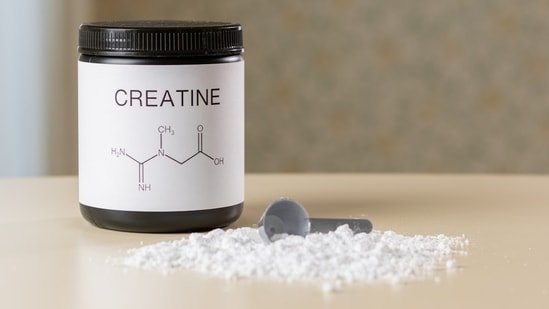
Creatine is one of the most widely used fitness supplements, often taken to improve strength, stamina and muscle performance. But for people living with endometriosis – a chronic inflammatory condition where tissue similar to the uterine lining grows outside the uterus – questions sometimes arise about whether certain supplements could worsen symptoms or influence disease progression. With growing discussions online about creatine and endometriosis, many are wondering whether there is any real scientific evidence behind the claim.

Dr Karan Rajan, a UK-based surgeon and popular health content creator, is unpacking the link between creatine and endometriosis. In an Instagram video shared on March 7, he explains whether there is sufficient human evidence to suggest that creatine worsens endometriosis and how the connection is often misunderstood.
Can creatine worsen endometriosis?
Dr Rajan points to two studies conducted in mouse models and in vitro (cell) models that have linked creatine to endometriosis. One study found alterations in immune cells in the stomach lining that may help endometriosis lesions survive and grow. The other suggested that creatine may enable endometriosis cells to resist cell death and multiply.
He explains, “There are two studies in the last couple of years that appear to link creatine with endo. One study showed that creatine may shift immune cells in the lining of the belly, also known as peritoneal macrophages, into a state where it helped endometriosis lesions grow and survive. Another bit of research suggests that creatine may help abnormal endometriose cells survive a process known as ferroptosis, which is a form of cell death; avoiding that means they can survive longer and grow more.”
Context of research matters
However, the surgeon highlights that these were preclinical mechanistic studies conducted in mouse or in vitro models, and that human immune system physiology is far more complex than cells observed in a petri dish. These studies also do not account for real-world supplementation patterns or the complexity of individual physiological contexts.
He elaborates, “These were pre-clinical mechanistic studies done in mouse models or in vitro or cell models. We don’t have human symptom or outcome data points. In real life, human immune system physiology is far more complex than mice or cells in a petri dish, and it’s even more complex in endometriosis. Creatine exposure in these studies also doesn’t mirror real world supplementation and doesn’t account for individual context – training, inflammation, genetics, energy demands, diet, hormones, etc. It also ignores the heterogeneity of endometriosis – how differently it can show up in different people. Endometriosis is not one textbook condition and there’s no context about the dose response relationship. ”
Creatinine levels and endometriosis
According to Dr Rajan, people with endometriosis tend to have elevated levels of creatinine in their blood – a marker that can also be higher in individuals taking creatine. However, he emphasises that this does not mean creatine supplementation causes or worsens endometriosis.
He highlights, “We do have evidence that creatinine levels in the blood, which is a marker of kidney function and a breakdown product of creatine, happens to be higher on average in those with endometriosis. But that seems to be related to creatinine produced in the body versus creatinine worsening the condition; it is a population statistic, not a reason or a cause for creatine supplementation to cause endometriosis or worsen it.”
Supplements are a personalised choice
Dr Rajan highlights that several human studies suggest creatine may have positive effects on muscle strength, stamina, fatigue, memory, sleep and blood flow. While it is often used to support overall performance and quality of life, supplementation remains a personal choice. He advises choosing supplements that work for your body and skipping those that do not.
The surgeon emphasises, “Whilst it’s great that endometriosis does get more attention in research, studies like this are designed to generate hypotheses, not tell women with endometriosis how to live their lives or offer clinical recommendations. We know from hundreds of human studies that creatine has benefits across multiple domains: muscle, strength, stamina, fatigue, memory, sleep, blood flow, and more. All these things can improve quality of life and disease management as part of a holistic approach. But supplements are a very personalised choice. You should take it if it works for you and don’t if it doesn’t. But what you shouldn’t do is take blanket statements as gospel.”
Note to readers: This article is for informational purposes only and not a substitute for professional medical advice. It is based on user-generated content from social media. HT.com has not independently verified the claims and does not endorse them.
