


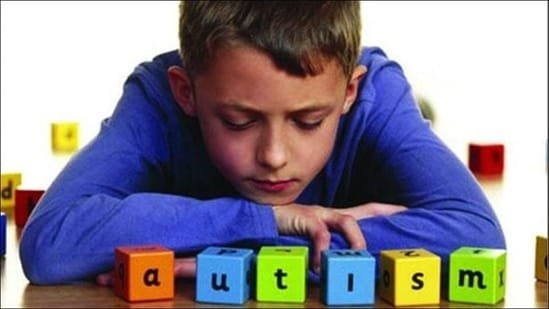
The neurodiversity perspective frames autism as part of natural human neurological variation. Recent evidence strongly reinforces that autism is a highly heterogeneous, dimensional spectrum rather than a single, uniform condition. On World Autism Day, we discuss the heterogeneity of autism, the need for greater awareness for it and its implications for research and education.
Autism Spectrum Disorder (ASD) is a neurodevelopmental condition which affects communication, social interaction, and behaviour. It is characterized by a wide range of strengths and challenges. Our understanding of the condition as a spectrum is now reflected in diagnostic frameworks (e.g. DSM-5, spectrum disorder) and is attributed to the extensive variation in genes and the environment. This, in turn manifests in variation in behaviour, cognition and lived experience across and within autistic individuals.
Recent large‑scale cohort studies show that people with autism cluster into distinct subtypes – defined by mixtures of social‑communication traits, repetitive behaviours, variation in language, cognitive ability, and co‑occurring conditions such as ADHD, anxiety, or intellectual disability. For example, an analysis of over 5,000 children with ASD conducted in 2025 identified four biologically grounded subtypes spanning “social and behavioral challenges,” “moderate challenges,” and groups with more pronounced developmental delays or language impairments, underscoring that “core” symptoms can manifest in varied ways in different individuals.
The biological grounds of the autism spectrum arise from the diversity reported in underlying genetic architecture. Genomic work confirms a highly polygenic, heterogeneous architecture: The risk of autism emerges from a mix of rare de‑novo mutations, inherited rare variants, and common polygenic risk, with substantial overlap with other neurodevelopmental and psychiatric conditions. This genetic diversity maps onto a spectrum of neural and metabolic phenotypes, which includes differences in brain connectivity patterns, and even cardiometabolic risk. This reflects a broader theme: with such varied patterns of emergence, we are bound to witness differences in support needed by those diagnosed with ASD.
Longitudinal and lifespan studies show that autism‑associated traits are dynamic and at times, even adaptive in nature. Social‑communication, cognitive, and adaptive skills begin to change in childhood and such changes continue into adulthood, especially with targeted support and environmental scaffolding. New models emphasise a “developmental continuum” rather than a fixed category, with early‑life behavioural profiles (e.g., language onset, motor skills) predicting later outcomes, while allowing for substantial plasticity and individual variability.
The spectrum nature of autism has important implications for how research is designed, interpreted, and translated into practice. Rather than treating ASD as a single entity, researchers must now explicitly account for subtypes, comorbidities, and multidimensional traits to avoid diluted or misleading findings. Heterogeneity pushes the field toward focusing on large, carefully phenotyped cohorts (like SPARK) and stratified sampling (e.g., by subtype, IQ, or genetic profile) to ensure meaningful subgroup comparison. A clinically grounded, data-driven subtyping of autism could help children get the support they need early. Future treatments could be tailored to a child’s specific subtype (e.g., targeting specific molecular pathways found in one group) rather than applying the same therapy to all individuals diagnosed with autism. For intervention studies, it demands the need for stratified trials, clear biomarker or profile‑based eligibility criteria, and attention to moderators and mediators (e.g., baseline language, executive function, co‑occurring ADHD) to interpret treatment response.
For education, this heterogeneity of autism means that no single classroom model or teaching strategy will work for all autistic individuals. Education systems will need to be flexible, multi‑tiered, and personalised to accommodate wide variation in cognition, language, sensory‑processing, and support needs. This has deep implications for how schools are structured, how teachers are trained, and how inclusion is implemented in practice. Schools will need to provide tiered support: universal inclusive practices (e.g., visual schedules, clear routines) for all, plus targeted small‑group work and intensive individualised plans for students with higher needs. Similarly, teaching will have to differentiated across domains. While some students might thrive in project‑based or STEM‑focused tasks, others would need explicit, scaffolded instruction in basic literacy and numeracy.
The spectrum nature of autism is a powerful microcosm of a much broader truth. Every child has a unique learning profile, and personalised learning is the most educationally sound approach for all learners, autistic or not. When you accept that autism spans profound intellectual disability to giftedness, and includes every possible mix of language, sensory, and social differences, the case for a one‑size‑fits‑all model, both in the clinic and the classroom, collapses, along with the illusion that any single, rigid approach fits all children.
This article is authored by Nandini Chatterjee Singh, head of department, Department of Psychology and Cognitive Science and Mugdha Joshi, student, Department of Psychology and Cognitive Science, Ashoka University, Delhi NCR.
