


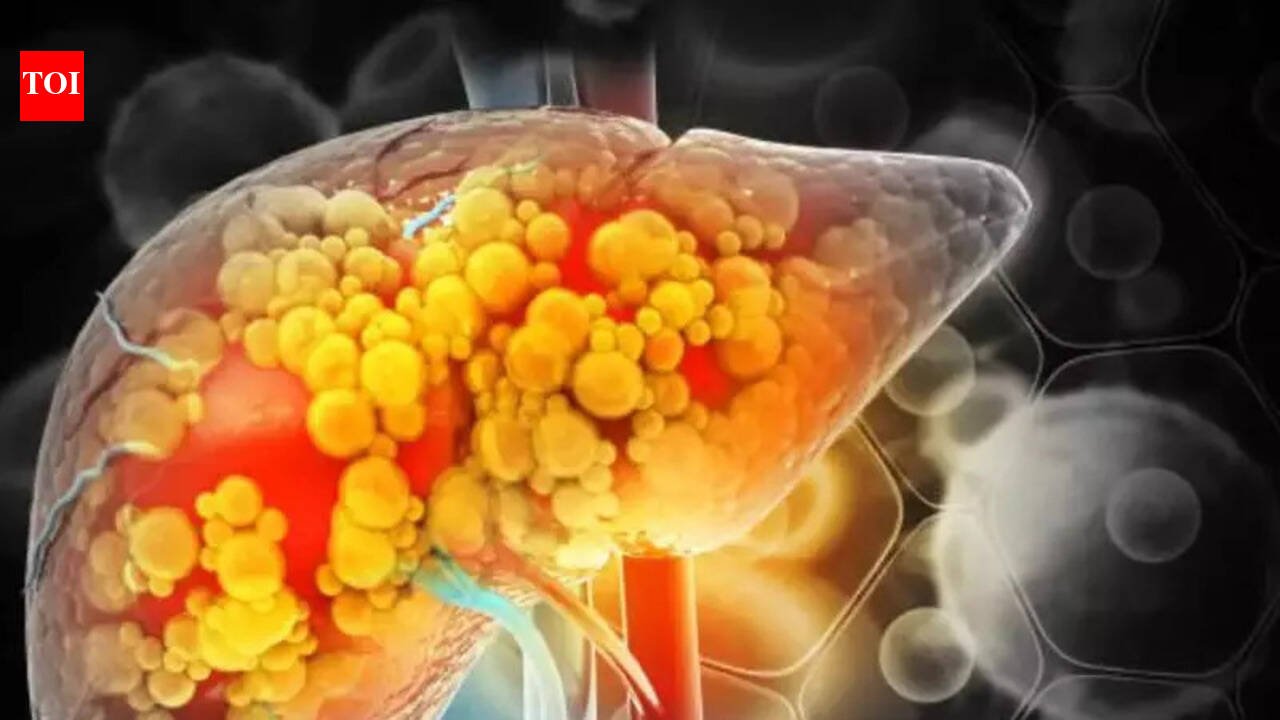
Chandigarh: A landmark study has identified a “fourth complication” of Type 2 diabetes hiding in plain sight, revealing that lakhs of patients are progressing toward life-threatening liver failure without showing a single outward symptom.The DiaFib-Liver Study, published in The Lancet, is the largest real-world survey of its kind conducted in a developing nation. It warns that for the global diabetic population — now exceeding 50 crore — the liver is under as much threat as the heart, eyes, and kidneys.The Silent ProgressionThe research, which screened 9,202 adults across 27 hospitals and clinics in India, uncovered a startling trajectory of “silent” disease: One in four patients suffers from clinically significant liver scarring (fibrosis). One in seven has progressed to advanced stages of the disease. One in 20 has already reached the threshold of probable cirrhosis. “Diabetes is now the mother of modern liver disease,” said Dr Ashu Rastogi, a principal investigator from the Post Graduate Institute of Medical Education and Research (PGIMER).Dr Rastogi noted a dramatic shift in clinical wards, where diabetes and obesity have overtaken Hepatitis B and C as the primary drivers of liver transplants. The damage is fueled by hepatic insulin resistance, where fat accumulation causes the liver to stop responding to insulin, triggering chronic inflammation and permanent scarring.The ‘Burnt-Out’ ParadoxWhile obesity and high cholesterol remain dominant risk factors, the study debunked the myth that liver damage only affects the overweight. Significant scarring was discovered in “lean” individuals and those without visible liver fat. Researchers identified a dangerous phenomenon known as “burnt-out” liver disease, where fat disappears as the scarring worsens, leaving the organ shrunken and non-functional. In these “fat-light” cases, age and the cumulative toll of high blood sugar over decades emerged as the primary predictors of damage.Because the liver rarely produces symptoms until it is nearing failure, researchers are calling for an urgent overhaul of national screening protocols. They argue that standard ultrasounds are insufficient for early detection. Instead, the study advocates for the FIB-4 score (a free, simple calculation based on routine blood tests) and FibroScans (specialised imaging to identify at-risk patients before damage becomes irreversible).Despite the grim statistics, the damage is uniquely reversible through lifestyle intervention. Experts say 5% weight loss can reverse scarring in up to 60% of patients, while 10% weight loss can halt advanced fibrosis in nearly half of all cases.Global EpicentreThe findings carry global weight as Type 2 diabetes cases are projected to hit 78 crore by 2045. India currently serves as the epicentre of this crisis, with 10.1 crore diabetics and another 13.6 crore individuals classified as pre-diabetic. By integrating liver checks into national diabetes programs, health officials believe they can pivot from reactive, costly transplants to proactive prevention, stopping a burgeoning healthcare crisis in its tracks.
