
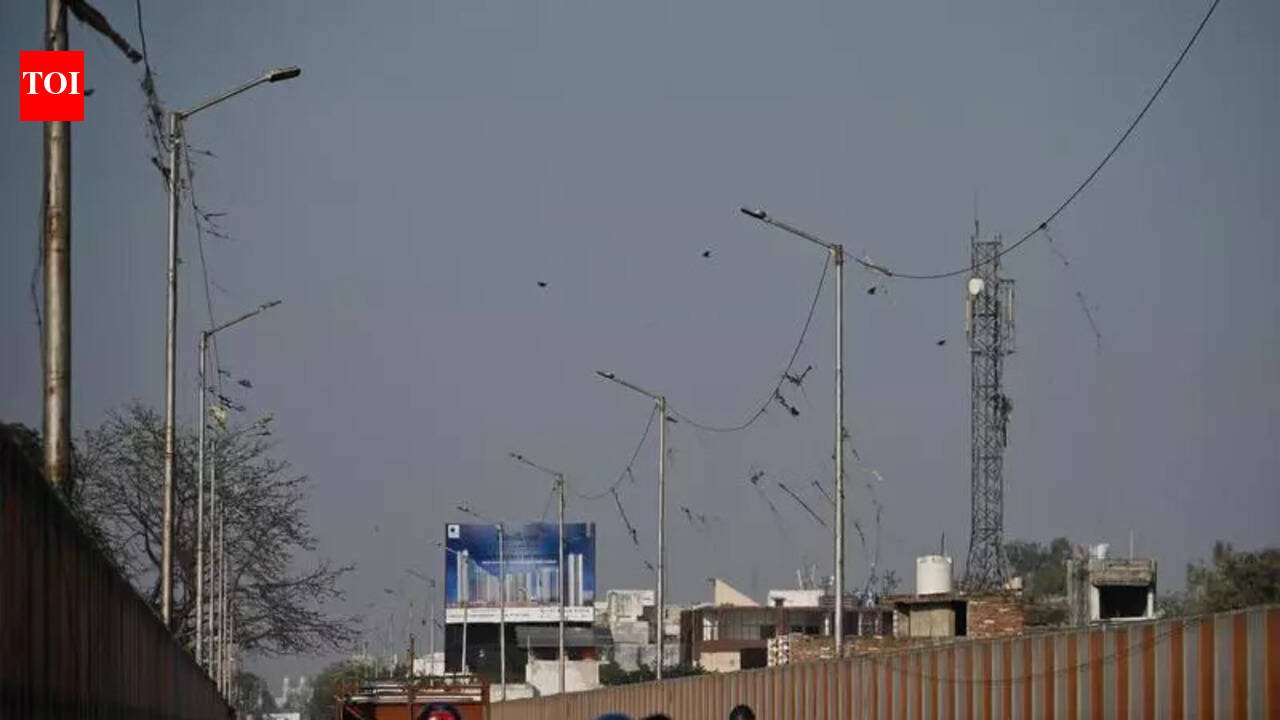
Areas flagged include old city pockets such as Nakkhas, Chowk, Daliganj, Nishatganj, Talkatora mill area, Aishbagh, Naka Hindola, Aminabad and Hussainganj. Residential zones including Rajajipuram, Indiranagar, Khurramnagar, Mahanagar and Gomtinagar also reported repeated incidents. Several flyovers and bridges over the Gomti river emerged as high-risk stretches. When strings get entangled around a rider’s neck, they act like rigid blades. Victims suffer deep cuts to the neck, face and hands, often with heavy bleeding. The risk escalates on bridges, where loose strings snag on railings or light poles and stretch across the roadway, forming nearly invisible traps.Residents and activists raised concern over the growing use of powdered glass sourced from discarded bottles to coat threads. They say the issue had moved beyond carelessness into an unregulated trade. “Last year I suffered such an injury and now I avoid taking Vivekananda bridge in the evening,” said Rajeev Sharma, recalling an incident near Aliganj.College student Mohammad Harris, who got injured in Daliganj, said, “The cuts on my ear needed stitches. I couldn’t attend classes for days and the scars are still visible.”Access to immediate help often becomes another challenge. “I was lucky a passer-by rushed me to the hospital. With traffic and shock, I couldn’t even call my family,” said Sanjay Tiwari, who got injured near Mahanagar.Recent fatalities intensified concern. Dubagga resident Mohammad Shoaib (35) died after his throat was slit by a kite string near Bazarkhala, last week. Several others survived similar encounters with severe injuries in different parts of the city. Kite clubs and social organisations called for action against manufacture, sale and use of hazardous strings, along with safety steps on bridges and flyovers.Veteran kite flyer Ustad Agha Bhayyu said kite flying is skill-based and does not require dangerous thread. He urged flyers, especially children, to avoid Chinese manjha and thick glass-coated strings, adding that traditional ground flying is safer than rooftop flying near traffic corridors. Young flyer Tanveer Ahmad said Chinese manjha was popular for being cheaper and easily available, while traditional enthusiasts prefered No 30 cotton thread, which snaps under tension and is less likely to cause severe injury. Imran Ahmad, who runs a kite-flying club, said preventive steps can reduce accidents. “In some areas, flyers tied steel wires between poles near bridges to trap falling strings before they reach the road. This can be expanded with official support.”Senior flyer Rajesh Jaiswal called for govt intervention. “Installation of warning boards and protective barriers on flyovers and other incident-prone stretches, along with enforcement against banned manjha, can prevent further loss of life,” he said.
