



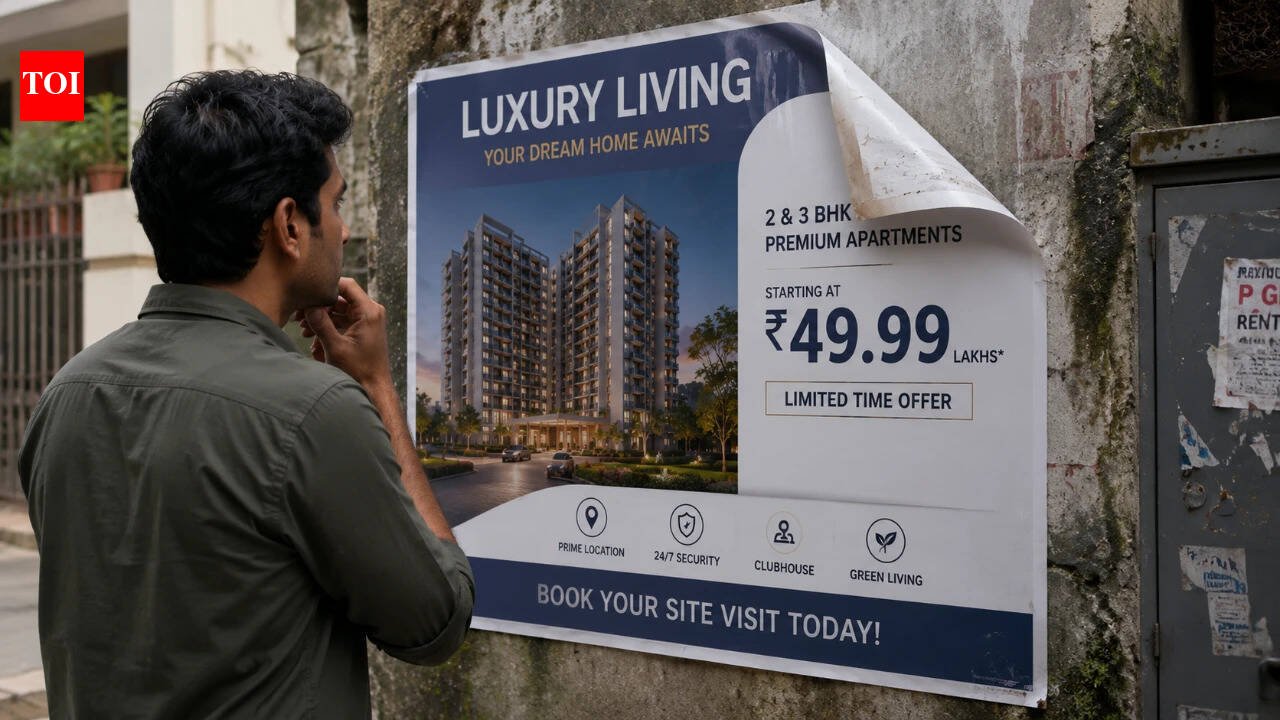
The listed price of a home is rarely the final amount a buyer ends up paying. Beyond the purchase price, homebuyers often face a range of additional expenses, from government levies and loan-processing charges to maintenance deposits and interior work. While some of these costs are mandatory, others vary depending on the project, location and financing arrangement. Factoring in these expenses before making a purchase can help buyers avoid budget overruns and make more informed decisions.
1. Stamp duty and registration charges
For a legal transfer of property, stamp duty and registration are compulsory. These legally binding charges can cost up to 10 per cent of the property value, depending on the state and the buyer’s category. It is one of the largest upfront expenses that buyers frequently underestimate.
2. Parking charges
In residential projects in cities such as Mumbai and Bengaluru, parking is often charged separately rather than being included in the advertised property price. The cost of open or covered parking varies depending on the project’s location and demand.
3. Property tax
Property tax is a recurring expense levied by local municipal authorities. Paid annually, the amount depends on factors such as the property’s size, location and usage. Buyers should account for this ongoing financial obligation while planning homeownership costs.
4. Moving and setup costs
Shifting into a new home typically involves expenses such as hiring packers and movers, transporting belongings, setting up utilities and purchasing household essentials. These costs are often overlooked, particularly by first-time homebuyers.
5. Maintenance deposits and society charges
Housing societies commonly collect a one-time maintenance deposit to fund the upkeep of common facilities such as lifts, clubhouses, swimming pools and gyms. This is usually followed by monthly maintenance charges, which can be substantial in premium developments.
6. Home loan processing fees
Apart from interest payments, banks and financial institutions charge processing fees for approving home loans. These fees generally range from 0.25 per cent to 1 per cent of the loan amount and add to the overall cost of financing a property purchase.
7. Floor rise charges
Builders often charge a premium for apartments located on higher floors. These floor rise charges are generally calculated on a per-square-foot basis and increase progressively with elevation, making upper-floor units more expensive than those on lower levels.
8. GST on under-construction properties
Goods and Services Tax (GST) applies to under-construction residential properties but not to completed projects. Buyers considering a property that is still being built should factor this additional tax liability into their purchase calculations.
9. Brokerage fees
When a real estate broker facilitates a transaction, buyers are usually required to pay a brokerage fee. Although often overlooked in initial budgeting, this expense can significantly increase the total acquisition cost.
10. Renovation and interior costs
Many homes, particularly newly handed-over or unfurnished units, require additional spending on modular kitchens, wardrobes, lighting, fittings and other interior work. These customisation expenses can add substantially to the overall cost of homeownership and should be planned for in advance.


