
Last Updated:
The ECI led by Chief Election Commissioner Gyanesh Kumar engaged in a detailed discussion with West Bengal’s Chief Electoral Officer (CEO) Manoj Kumar Agarwal
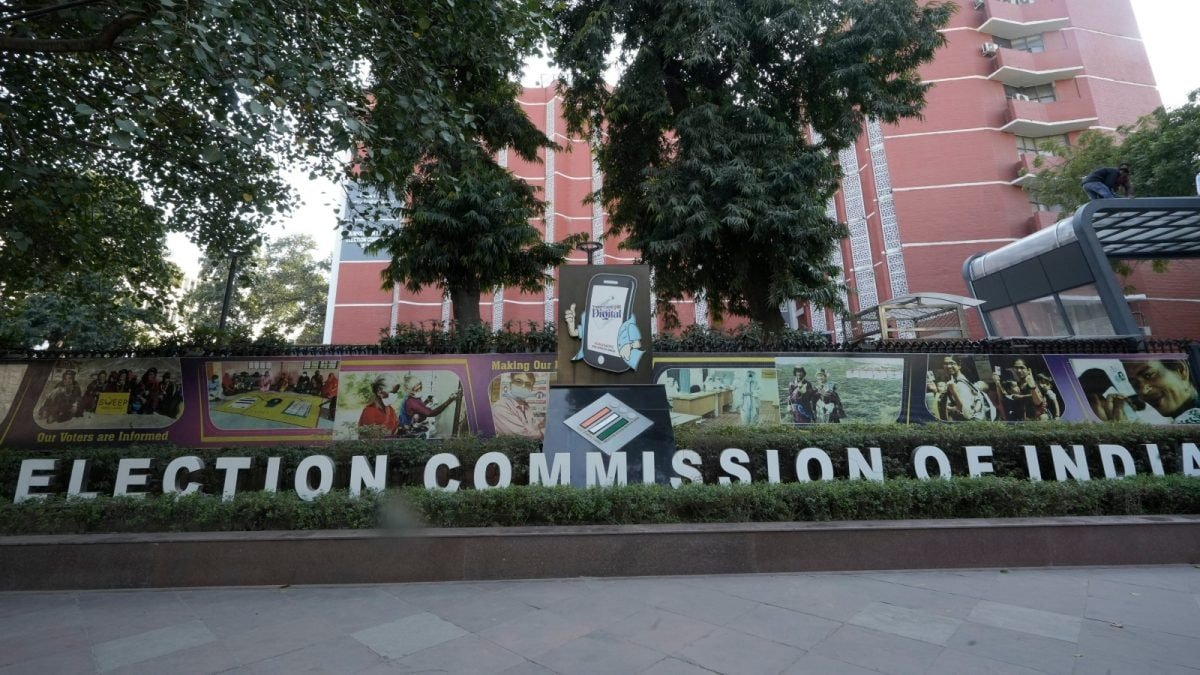
Discussions on Tuesday suggested that the ECI may conduct the elections in a maximum of four phases. (File pic: PTI)
As West Bengal prepares for its upcoming assembly elections, the Election Commission of India (ECI) has accelerated its administrative preparations to ensure a seamless polling process. News18 has learnt that in a high-level meeting on Tuesday, the ECI led by Chief Election Commissioner Gyanesh Kumar engaged in a detailed discussion with West Bengal’s Chief Electoral Officer (CEO) Manoj Kumar Agarwal to finalise the logistical and security framework for the state. Sources indicate that the official declaration of the election schedule is expected in the first week of March, effectively triggering the Model Code of Conduct across the state.
A significant shift in this election cycle is the proposed reduction in the number of polling phases. While previous elections in West Bengal have been noted for their lengthy, multi-phase schedules—sometimes spanning eight phases—the commission is said to be considering a more compact timeline. Discussions on Tuesday suggested that the ECI may conduct the elections in a maximum of four phases. This strategic move aims to balance the requirement for intense security deployment with the need for a swifter electoral process, provided that the law and order assessments remain favourable.
A primary focus of Tuesday’s deliberation was the status of the electoral rolls. The state has been going through the Special Intensive Revision (SIR), a process that has been under the scrutiny of the Supreme Court. Following recent judicial directives, the deadline for the final publication of the electoral rolls has been fixed for February 28. This date is critical, as the “clean” list of voters will form the basis for the entire election. The CEO briefed the full bench on the progress of resolving “logical discrepancies” and the disposal of claims and objections, which are scheduled to be completed by February 21. The full bench will take a call after the final roll is published, and the election schedule will be declared thereafter, say sources.
With the 294-seat assembly’s tenure set to end in early May, the ECI is working against a tight clock. The transition from the final roll publication on February 28 to an election announcement in the first week of March indicates a rapid move towards the polling window, likely to fall in April. The commission has already begun briefing central observers, including general, police, and expenditure officers, to prepare for their deployment. As the political temperature in Bengal rises, the ECI’s focus remains on maintaining a transparent and fair environment, ensuring that the 2026 mandate is delivered without the procedural hurdles that have marked the revision phase.
February 11, 2026, 00:02 IST
Read More
