
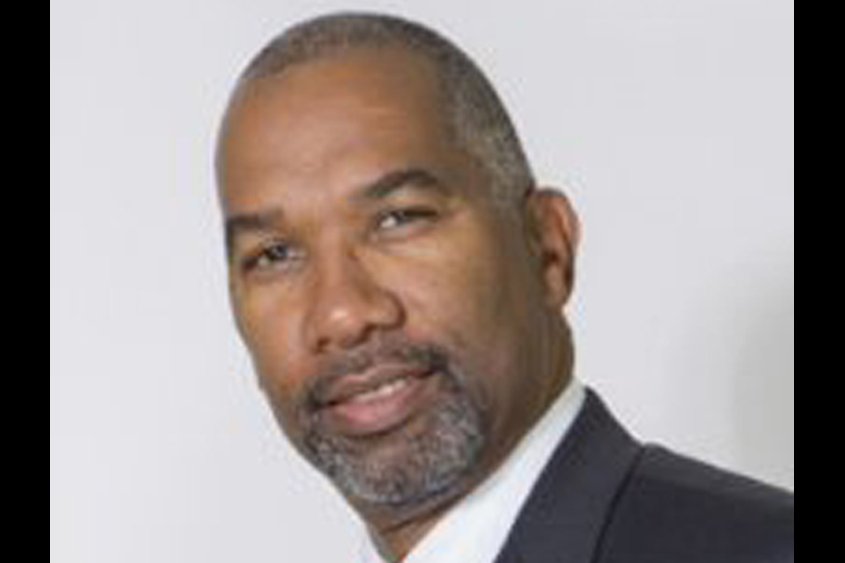
Voters who were unable to cast their ballots because their names were missing from the official register face limited legal options after the election, according to Senior Counsel Garth Patterson.
The attorney yesterday said that while remedies do exist, they were often difficult to pursue unless there is strong evidence of widespread or deliberate wrongdoing.
“If your name was left off the voters’ list and you were unable to vote, your options after the election are limited but not entirely closed. The main formal remedy is an election petition, but that is only likely to succeed if the exclusion of voters was widespread enough to have affected the result of the election. A single omission is rarely enough on its own,” he said.
“You may also bring a constitutional claim arguing that your right to vote was unlawfully denied, particularly if the omission was deliberate or occurred without reasonable excuse. However, courts generally require clear evidence of wrongdoing rather than simple administrative error.”
Patterson stressed that the law treats deliberate exclusion from the voters’ register as a serious matter, but that proving intent was critical.
“It is also important to know that the law makes it a criminal offence for a registering officer or enumerator to wilfully, or without reasonable excuse, omit a qualified person from the register,” he said.
“That does not automatically entitle you to compensation, but if there is evidence that your exclusion was deliberate or unjustified, it strengthens any complaint you may wish to pursue.”
However, Patterson said most affected voters were unlikely to receive financial compensation or see dramatic legal outcomes unless systemic misconduct could be demonstrated.
“In practical terms, unless there is proof of serious or systemic misconduct, the most realistic outcomes are a formal complaint to the Electoral and Boundaries Commission, possible investigation of any criminal offences and declaratory relief. Monetary damages are uncommon and very difficult to obtain.”
He urged those who believed they were wrongly excluded to document their experience and report the matter formally so authorities could determine whether further action was warranted. (TRY)
