



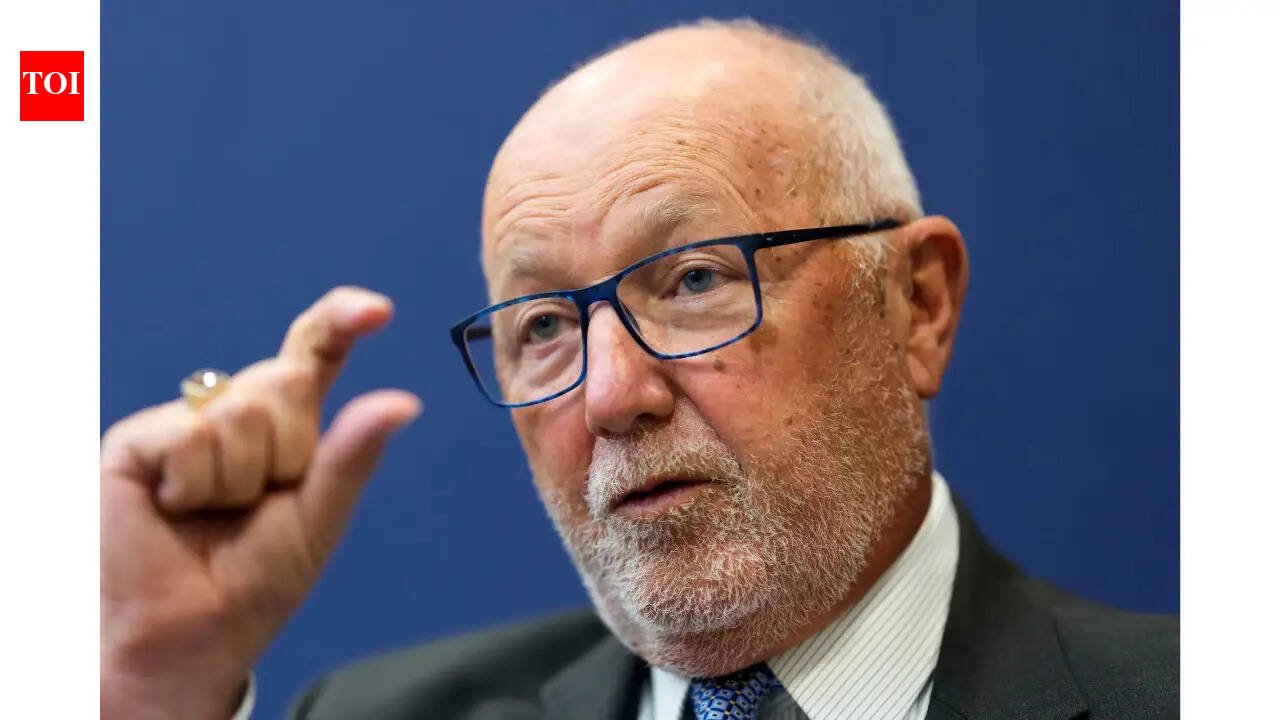
The dispute between the United States and Canada over streaming regulations has reportedly intensified. This comes after US officials accused Canadian authorities of imposing discriminatory measures on American companies by imposing higher financial obligations on online platforms such as Netflix and Disney+. Canada responded by defending the move, saying the rules are part of domestic legislation rather than trade policy.According to a report by the Wall Street Journal, Scott Shortliffe, vice president of broadcasting at the Canadian Radio-television and Telecommunications Commission (CRTC), told reporters, “We are not involved in trade negotiations. We are applying Canadian law in Canada.” The comments came after the US Ambassador to Canada, Pete Hoekstra, criticised the regulator’s decision to require streaming companies to contribute 15% of their Canadian revenue toward local programming, up from the current 5%. He said the decision “to triple the tax rate on leading streaming services is making a bad situation worse.” Hoekstra added that the Canadian regulator “is targeting and taxing US companies, putting up new, discriminatory trade barriers, and worsening the investment climate for American businesses.”The revised funding model also reduces obligations for traditional Canadian broadcasters to 25%, down from a previous range of 30% to 45%. The CRTC said the changes were designed to prevent domestic broadcasters from carrying a larger share of funding for Canadian content while streaming services expand in the market.
Canada says funding changes for US streaming companies are needed for driving local content
According to the regulator, the updated contribution requirements are intended to support financing for Canadian TV and film production, particularly content aimed at French-speaking and indigenous communities.Canada’s Minister responsible for cultural policy, Marc Miller, said he was reviewing the decision but defended the importance of domestic representation in entertainment. He said, “It remains essential to ensure that Canadians continue to see themselves reflected on screen.”The emphasis on French-language content carries political significance, as support from Quebec played a role in the governing Liberal Party maintaining its parliamentary position in recent elections.The dispute comes as US-Canada trade relations are under renewed scrutiny ahead of a review of the US-Mexico-Canada Agreement (USMCA). US officials say talks with Canada have become more difficult, while Canadian policymakers have shown little interest in major changes to the deal.The Motion Picture Association criticised Canada’s measures, calling them “unprecedented, unnecessary, and discriminatory investment obligations” imposed on US entertainment companies. The Streaming Innovation Alliance also urged US lawmakers to consider action against Canada.“Coordinated, unified legislative and executive branch activity is needed to stop Canada from furthering this harmful, costly attack on U.S. innovators… and to deter other nations from following suit,” the alliance said in a letter to House Ways and Means Committee chairman Jason Smith.Trade lawyer Mark Warner said the regulatory changes could deepen tensions between Washington and Ottawa over broadcasting policy. Warner said, “It’s hard to see how this ends amicably.”


