


A healthy gut is one of the cornerstones of overall health. Maintaining good gut health requires both exercise and a proper diet. While that includes the intake of foods from different nutritional groups in the right proportion, there are some foods that work wonders.
Seeds are an important part of this group, as they are highly concentrated sources of essential nutrients and contain the blueprint for life.
Taking to Instagram on February 24, Dr Saurabh Sethi, a California-based gastroenterologist trained in AIIMS, Harvard, and Stanford Universities, highlighted three seeds that are most beneficial not just for keeping the gut healthy, but also “clean it like a brush.”
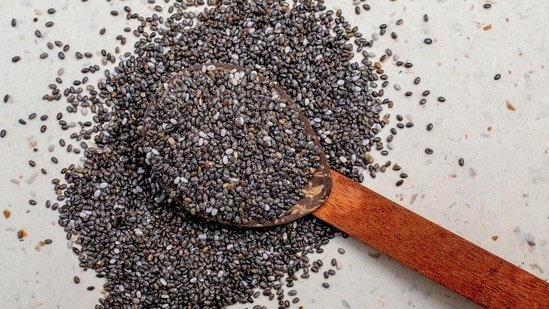
1. Chia seeds
“Chia seeds are packed with soluble fibre and form a gel when soaked,” shared Dr Sethi, noting that the gel performs three major functions. These include:
- Slowing down sugar absorption by the gut
- Feeding the healthy gut microbiome
- Helping to regularise bowel movement
However, one thing needs to be kept in mind before consuming chia seeds, cautioned Dr Sethi. The seeds should never be eaten dry, and should be soaked for at least 15 to 20 minutes. The best way to have chia seeds is after soaking them overnight.
Dr Sethi personally recommends mixing one to two tablespoons of chia seeds in almond milk or yoghurt, and then adding berries to prepare a healthy snack.
2. Flaxseeds
Dr Sethi described flaxseeds as “tiny but powerful.” The seeds are rich in healthy Omega-3 fatty acids, especially ALA (alpha-linolenic acid), which have anti-inflammatory properties.
However, there is a catch when it comes to the consumption of flaxseeds. The human body cannot absorb much nutrients from whole flax seeds. It is therefore important to grind the seeds before consumption.
According to Dr Sethi, ground flaxseeds provide multiple health benefits, such as:
- Reduce bloating
- Maintain hormone balance
- Cholesterol management
The gastroenterologist personally recommends using one tablespoon of ground flaxseeds in smoothies or oatmeal three to four times a week.
3. Basil seeds
Basil seeds, also known as sabja seeds, look similar to chia seeds, but “are even cooler,” stated Dr Sethi. The seeds expand faster, have similar soluble fibre benefits to chia seeds, and are often used in Ayurvedic medicines for digestion.
Dr Sethi personally recommends consuming basil seeds along with chia seeds in oatmeal, almond milk, or almond yoghurt.
Note to readers: This article is for informational purposes only and not a substitute for professional medical advice. Always seek the advice of your doctor with any questions about a medical condition.
This report is based on user-generated content from social media. HT.com has not independently verified the claims and does not endorse them.
