


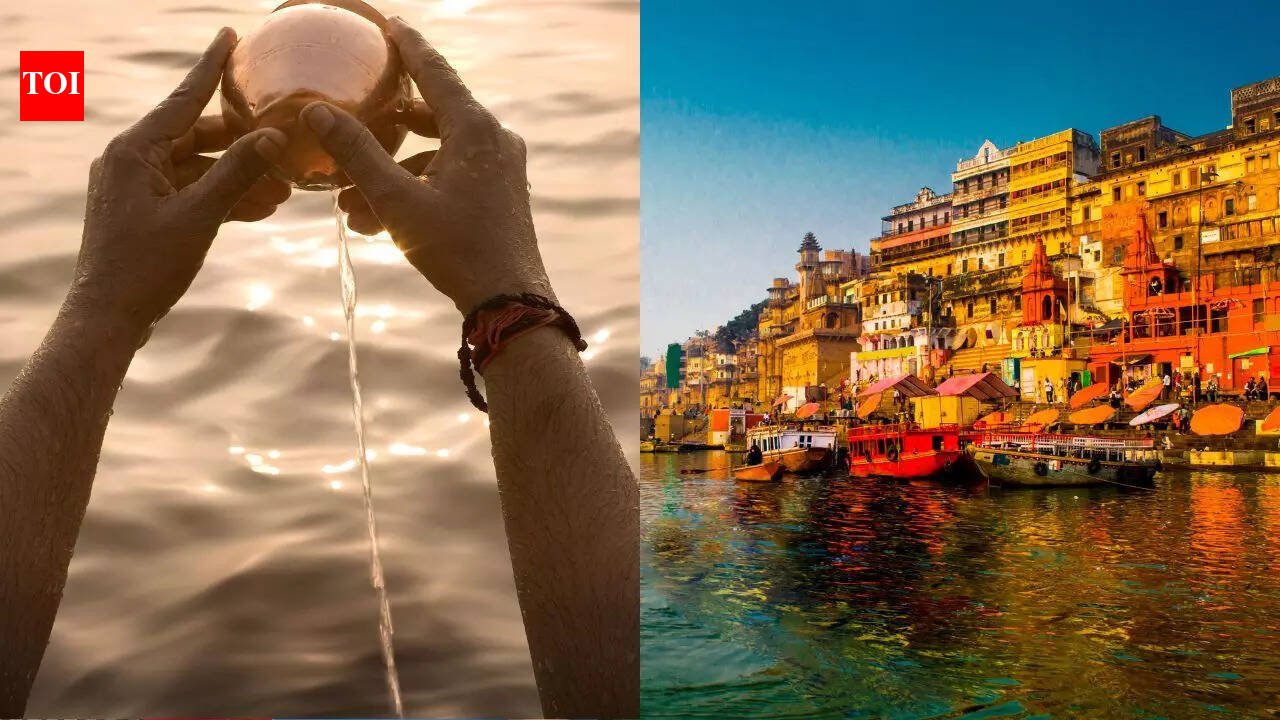
The sacred river Ganga holds a revered place in Hinduism, symbolizing purity, spiritual cleansing, and liberation. It is believed that a dip in the Ganges absolves sins and cleanses the soul. However, there is a unique taboo associated with bringing Ganga water (Gangajal) specifically from Kashi (Varanasi), despite its spiritual importance. This article explores why it is traditionally advised not to bring Ganga water from Kashi, its mythological roots, and where these ideas are mentioned in Hindu texts.Kashi, also known as Moksha Nagri, is the city of ultimate liberation—where souls attain moksha by escaping the cycle of birth and rebirth. According to the Sanskrit phrase “काष्यां मरणं मुक्तिः”‘Kashyām maraṇaṃ muktiḥ’, dying in Kashi grants liberation. The city’s Manikarnika Ghat is one of the holiest cremation grounds where ashes of the deceased are immersed in the Ganga, and it is believed that Lord Shiva in his Aghora form whispers the Taraka Mantra to the dying, guiding their souls toward moksha. Hence, the water of the Ganges in Kashi carries the spiritual energy and remnants of souls on their journey to liberation.
Because of this, it is traditionally believed that if one brings Gangajal from Kashi, they may unintentionally carry away parts of the ashes or energies of these departed souls, disrupting their sacred journey toward moksha. Taking this water away is seen as obstructing the natural cycle of death and rebirth, which can cause spiritual imbalance or difficulties for both the souls and the carrier. Additionally, Kashi is an abode of strong Aghori energy linked with Lord Shiva’s fierce forms, and certain rules around controlling this energy prohibit taking Ganga water out of Kashi for home use. Instead, devotees bring Ganga water from Haridwar, another sacred site, which is regarded as pure and auspicious for ritual use without these concerns.This belief is rooted in various mythological texts and Puranas, which describe Kashi’s sanctity and the role of Ganga’s descent to the earth through King Bhagiratha’s penance, as well as the spiritual significance of cremation rituals performed there. The continuous flow of water at cremation ghats like Manikarnika mixes with sacred ashes and energy, making its removal from Kashi sensitive in spiritual tradition.In summary, the reason to never bring Ganga water from Kashi is deeply tied to the city’s identity as a sanctuary of liberation where souls are freed. Carrying water from there potentially disturbs the soul’s final passage and cycles of existence, aligned with spiritual teachings from Hindu mythology and the cultural reverence for the Ganges’ role in the cosmic order.
