


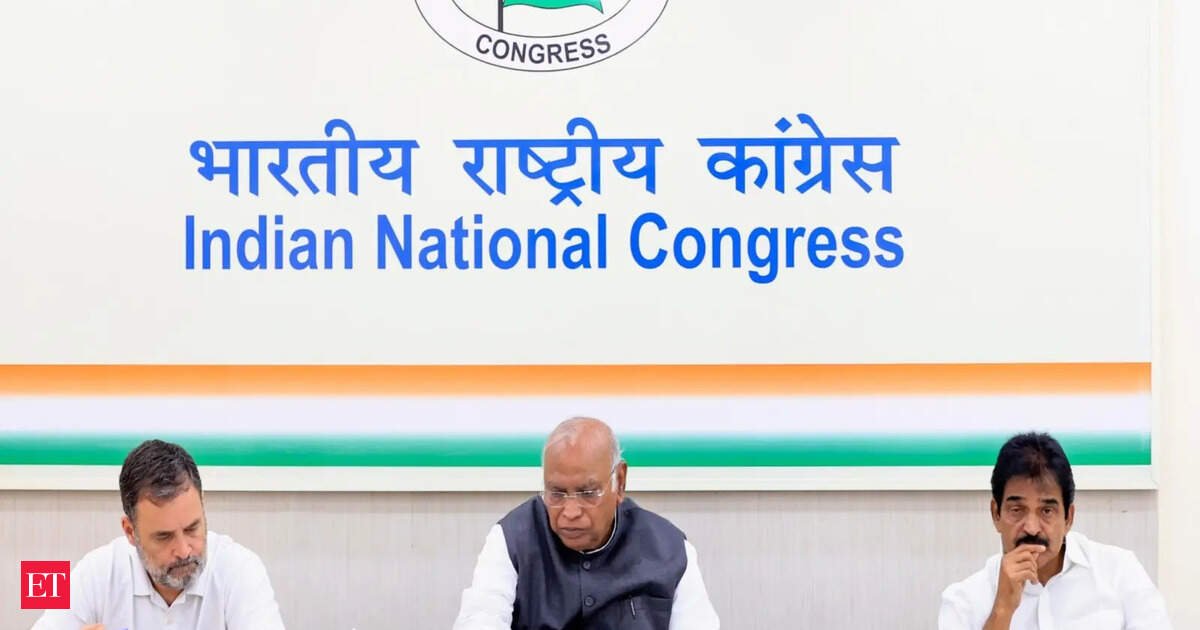
In a post on X, Congress MP wrote, “I SUPPORT THE 33% RESERVATION FOR WOMEN. I OPPOSE A DANGEROUS DELIMITATION. AS IT’s IMPLICATIONS WILL BE DELETERIOUS , DETRIMENTAL AND DESTRUCTIVE FOR OUR POLITY.”
He said the core issue in the delimitation bill is “never proportions but absolute numbers,” warning that lifting the 1971 freeze could widen the gap between the “heartland and peripheral states,” as he argued that the government’s plan would alter the balance of representation in the Lok Sabha.
Also read: Women’s reservation & delimitation bills to be tabled: India braces for 850-seat Lok Sabha future
The 1971 freeze refers to a constitutional provision that limits changes in the distribution of Lok Sabha and state assembly seats, keeping them based on the population figures from the 1971 Census.
“The issue was never proportions but absolute numbers. The ever widening gap between the heartland and peripheral states: Govt plan: Keep south share unchanged in LS, list each state’s new count in ‘schedule This is the problem the widening Gap because of Delimitation the moment the 1971 freeze is lifted,” Tewari in another post on X.
Earlier, Congress MP Jairam Ramesh warned of a “political earthquake” as the Opposition hardened its stance against the Centre’s set of three key bills to be taken up during the special session of Parliament, including proposals linked to women’s reservation from the 2029 Lok Sabha elections and the delimitation of constituencies. In a post on X, Ramesh shared an article and wrote, “Yes it is a very detailed and informed analysis of the 3 Bills being taken up in the Lok Sabha tomorrow. The Opposition will do whatever it takes to defeat the Constitution Amendment Bill especially. The country should prepare itself for a political earthquake”
Three important bills are likely to be introduced in the special session of Parliament starting today, including one to reserve seats for women in the 2029 Lok Sabha elections and another to redraw constituency boundaries.
The opposition is raising concerns about the reasons for changing these boundaries and increasing the number of Lok Sabha seats from 543 to a maximum of 850.
The Constitution (One Hundred and Thirty-First Amendment) Bill, 2026 and the Delimitation Bill, 2026, are slated to be introduced by Law Minister Arjun Ram Meghwal and the Union Territories Laws (Amendment) Bill, 2026, by Home Minister Amit Shah.
The government has convened a special sitting of Parliament on April 16,17,18 to pass the amendment to the Nari Shakti Vandan Adhiniyam.
The Law Minister is also slated to move a proposal in the Lok Sabha to suspend the provisions of Rule 66 with the objective of passing the Women’s Reservation Amendment Bill and the Delimitation Bill together.
The motion states that the this House “do suspend the proviso to rule 66 of the Rules of Procedure and Conduct of Business in Lok Sabha in its application to the motions for taking into consideration and passing of the Delimitation Bill, 2026 and the Union Territories Laws (Amendment) Bill, 2026 in as much as these are dependent upon the Constitution (One Hundred and Thirty-first Amendment) Bill, 2026”.
Also read: ‘Our country all set to take historic step towards women’s empowerment’: PM Modi ahead of special Parliament sitting
The government has been seeking opposition support for passing the amendment bill to implement the women’s reservation bill from the 2029 Lok Sabha polls on the basis of the 2011 census.
Prime Minister Narendra Modi had urged opposition parties to support the amendment to ensure the women’s reservation comes into effect from the 2029 general elections.
“This is the wish of every sister and daughter of this country, and we must fulfil it with unanimity,” he said at an event in Dehradun on Tuesday.
Opposition parties said on Wednesday that they fully support the early implementation of women’s reservation but expressed firm opposition to the Delimitation Bill.
