


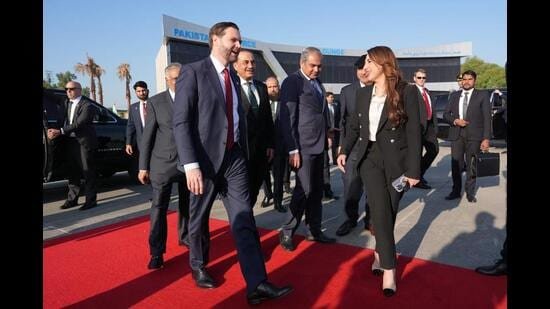
The talks between Iran and the US in Islamabad — the first face-to-face contact between senior officials of the two sides since they severed diplomatic relations 47 years ago — ended without an agreement on ending the war in West Asia, though a fragile ceasefire remains in place for now. US Vice President JD Vance, who led his country’s delegation, said Washington had put forward its “final and best offer,” but the two sides were unable to reach an agreement, while Iran’s Speaker Mohammad Baqer Ghalibaf said the American side failed to gain the trust of his delegation despite “forward-looking” initiatives proposed by Tehran. Comments from leaders of both countries have pointed to persisting differences on several key issues, primarily Iran’s programme for developing nuclear weapons, the reopening of the Strait of Hormuz for global commerce, and Israel’s continuing offensive in Lebanon, which Tehran perceives as a violation of the fortnight-long truce that began last week.
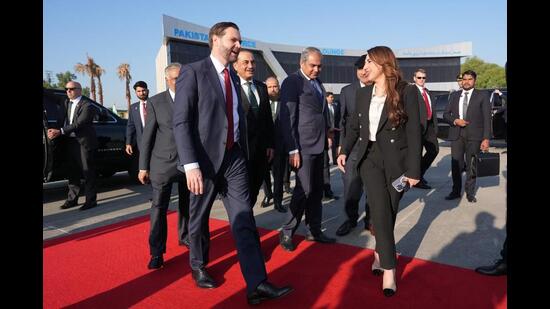
The one commodity that appears to have been in short supply during the talks is trust, and this is what all sides must focus on if this tenuous process of negotiations is to continue. It would have been unrealistic to expect an immediate agreement after just one round of talks. To the credit of the Iranian side, it returned to negotiations despite being attacked twice since last year by Israel and the US even as talks were underway. The US decision to send Vance to Islamabad for the talks too was a signal it is taking the process seriously. The talks have left open a window for forward movement, as both sides presented their demands and outlined their positions.
