


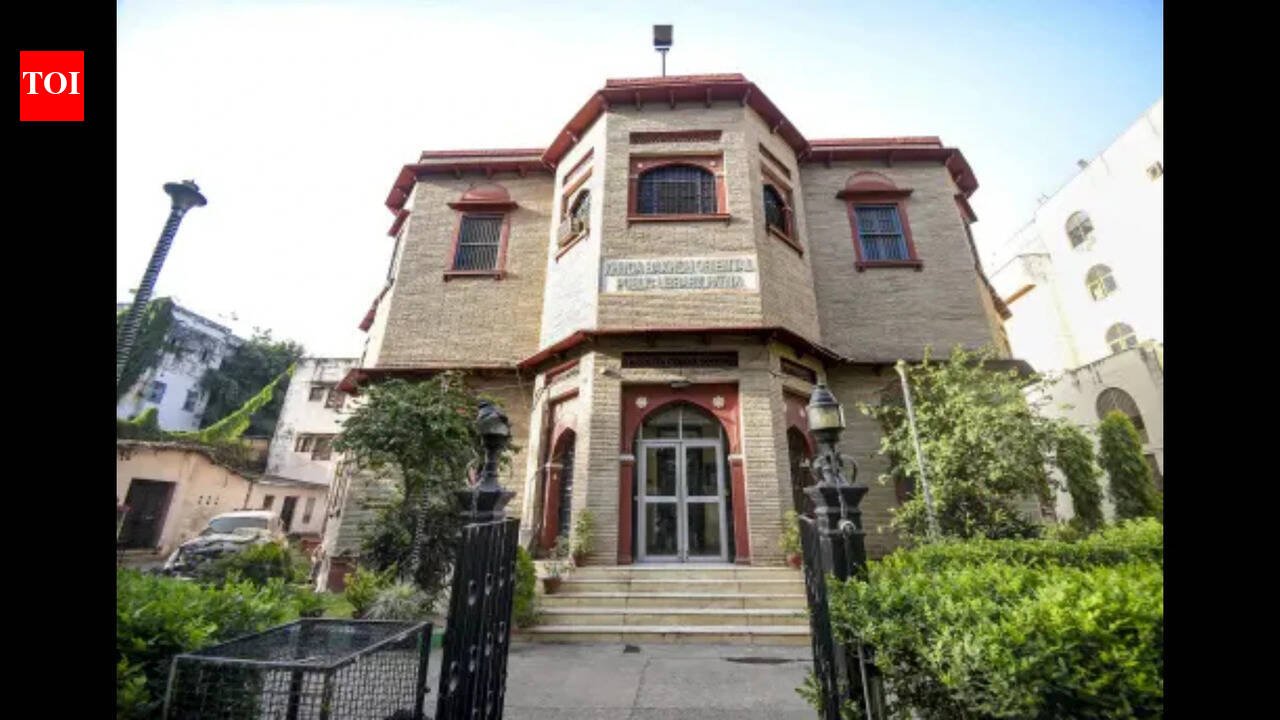
Patna: The 135-year-old Khuda Bakhsh Oriental Public Library (KBOPL) is grappling with administrative uncertainty and staff shortage, with the post of full-time director lying vacant since August 2023.Declared an institution of national importance by the Govt of India in 1969, KBOPL houses one of the country’s richest collections of rare manuscripts and books. However, sources said the library’s functioning has been affected due to alleged apathy of the authorities concerned and the delay in filling key vacancies.According to sources, most senior employees at the library have retired in recent years, but no recruitment process has been initiated to fill the vacant posts. Against a sanctioned strength of 52 posts, only 16 staff members are currently managing all administrative and academic responsibilities.The last full-time director, Syesta Bedar, completed her five-year deputation and returned to her parent organisation, Aligarh Muslim University, in August 2023. Since then, the post has remained vacant. Recently, the vice-chancellor of Nav Nalanda Mahavihara, Siddharth Singh, was assigned the additional charge of director-in-charge of KBOPL, alongside his duties as VC.About a fortnight ago, a parliamentary standing committee expressed concern over the prolonged vacancy of the director’s post and sought an explanation from the Union ministry of culture. The committee recommended that the ministry fill the post within 90 days and submit a report on the reasons for the delay. It also suggested setting a clear timeline for completion of digitisation projects related to national archives.State convener of the Indian National Trust for Art and Cultural Heritage (INTACH), Bhairav Lal Das, lamented the neglect of the library, saying it has long served the academic needs of scholars from South Asia and the Middle East. He stressed that the institution cannot develop under bureaucratic control and called for the immediate appointment of a full-time academic director.Founded over a century ago, KBOPL is considered a cornerstone of scholarly research in oriental studies, making the current situation a matter of concern for historians and academicians alike.
