


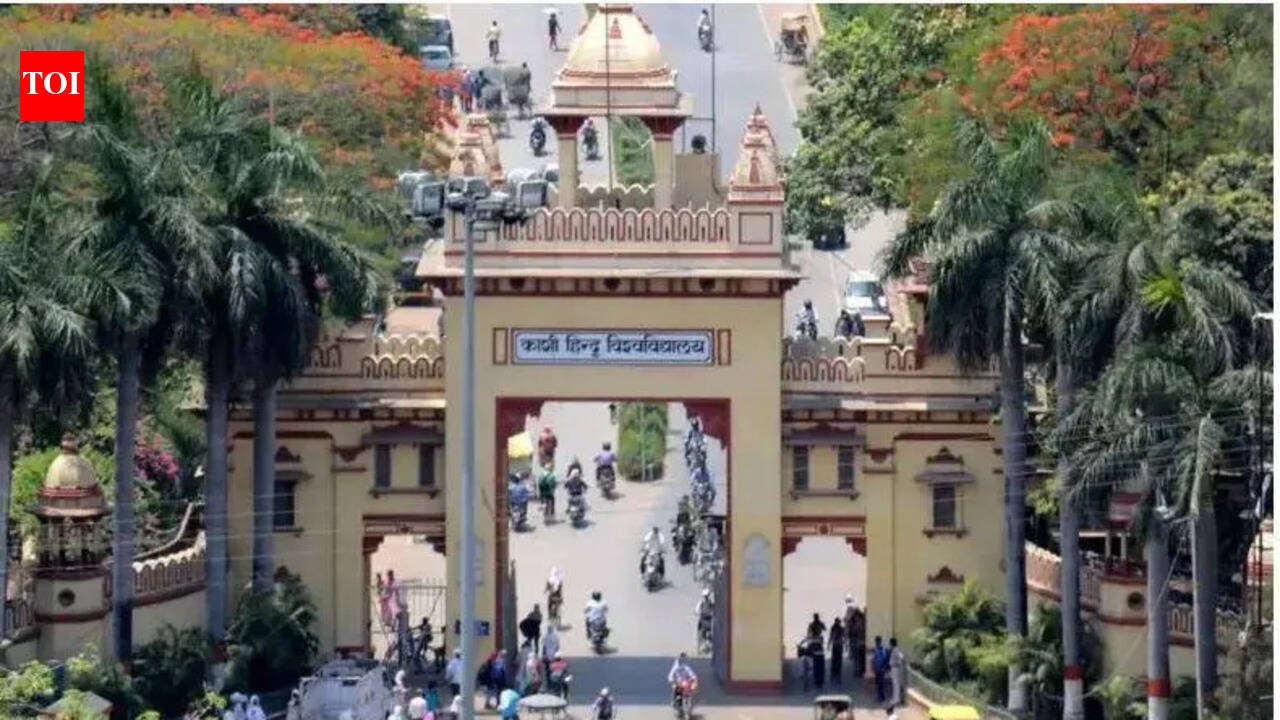
VARANASI: The two-day workshop on ‘Use of Drone and AI in Digital Filmmaking’, organised at the Faculty of Arts, BHU, concluded on Tuesday.The experts conducted detailed technical sessions on various aspects of filmmaking on the second day, which was entirely focused on hands-on training involving modern tools and the practical application of artificial intelligence.Expert Mudita Raj, in her session, discussed different types of AI, including generative AI and agentic AI. Citing examples of models like Gemini and DeepSeek, she explained that the output of AI largely depends on the quality of the user’s prompt. She emphasised that this is the era of data-driven storytelling, where in the future, audiences may even control the progression of film scenes. She also made students aware of both the creative possibilities and potential risks associated with AI.In the technical session, drone specialist Ankit Kumar Malyan explained the basic settings of DSLR cameras, such as aperture, ISOand white balance. He highlighted that videos must be edited in the same frame rate at which they are shot to avoid visual inconsistencies or jerks. He also provided insights into drone technology and shared important guidelines issued by the DGCA.Meanwhile, expert Naveen Gautam focused on the practical aspects of effective filmmaking. He stressed that theoretical knowledge alone is not sufficient, and consistent practice is the key to success. He divided the students into two groups and guided them through the entire process of moviemaking as part of hands-on training.During the workshop, two short films titled ‘Dustbin’ and ‘Batua’ were created with the participation of students. These films were screened during the valedictory session. Participants were trained in all stages of filmmaking, from pre-production to post-production and editing.During the valedictory session, Prof Sajal Mukherjee, director of APEEJAY Institute of Mass Communication, New Delhi, remarked that there are vast career opportunities in the field of digital filmmaking. However, students need proper training to take advantage of these opportunities. He noted that the landscape of filmmaking is rapidly evolving, with AI and drone technology playing a significant role, and emphasised the importance of equipping students with the necessary skills in this domain. Certificates were distributed to the successful participants.Workshop coordinator Bala Lakhendra presented a brief report on thetwo-day training programme. A large number of students from theDepartments of Journalism and Mass Communication, English, History,Performing Arts and Visual Arts of the Faculty of Arts activelyparticipated in this workshop.
