


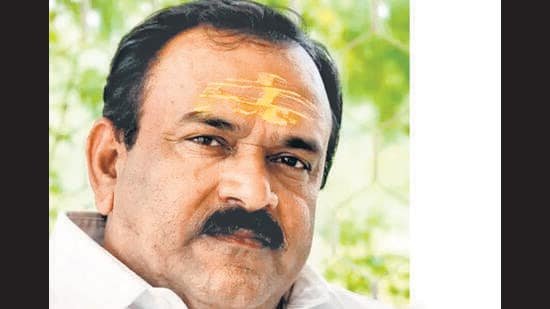
Mumbai: If the specific rules for the implementation of Maharashtra’s anti-superstition law had been notified, rituals conducted by self-styled godman Ashok Kharat could have been flagged as illegal long before the alleged rape and sexual exploitation of multiple women took place, a recent public interest litigation (PIL) filed in the Bombay High Court has claimed.

The PIL, filed by the Kolhapur arm of the Maharashtra Andhashraddha Nirmulan Samiti (MANS) before the Kolhapur bench of the high court on Thursday, highlighted that it has been over 12 years since the Maharashtra Prevention and Eradication of Human Sacrifice and other Inhuman, Evil and Aghori Practices and Black Magic Act was enacted, but the rules for its implementation have still not been framed.
The anti-superstition law will exist only on paper without the “teeth” provided by the administrative rules, the petition said. While the law mandates the appointment of vigilance officers, without specific rules, these officers lack clear protocols on how to intercept “godmen” before the cases escalate to sexual exploitation, it stated. While the Act defines the crimes, the rules define how a victim gets help, how evidence of “black magic” is collected, and how the police should handle sensitive spiritual fraud, it added.
“In the Kharat case, a functional vigilance system could have flagged the ‘rituals’ as illegal long before multiple rapes and sexual exploitation of women took place,” the petitioners contended. Kharat was arrested in March for criminal offences including rape, sexual exploitation, black magic, and cheating. As many as 13 FIRs have been filed against him so far.
Kharat’s case, the PIL contended, is a “chilling example” of human exploitation, financial fraud, elements of inhuman, evil practices, black magic, drugs and magical remedies. It also said that “godmen” who exploit people’s faith prevail across religions, who claim to offer miracle cures for illnesses and mislead people. It added that the state government needs to establish “functional anti-superstition cells” at every police station in Maharashtra so that there are trained officers to handle such sensitive cases.
Underlining the need for a rehabilitation programme, the PIL stated that victims in such cases are neglected by the police, hospitals and even court processes. The rules that are yet to be framed in the Act must include psychological and legal support for survivors of such sexual exploitation, it said.
The PIL also raised concerns about several videos of the alleged sexual exploitation in the Kharat case being shared on social media. It said that while criminal action is being initiated against those sharing such videos, no action has been taken to remove these videos from public platforms.
The PIL was filed by 11 members of the MANS, Kolhapur. The organisation was founded by the slain anti-superstition activist Narendra Dabholkar in 1989. Maharashtra’s anti-superstition law was enacted in 2013 following Dabholkar’s assassination. MANS’s lawyer, Asim Sarode, said that the PIL is likely to be heard by the Kolhapur bench of the Bombay High Court on April 20.
