


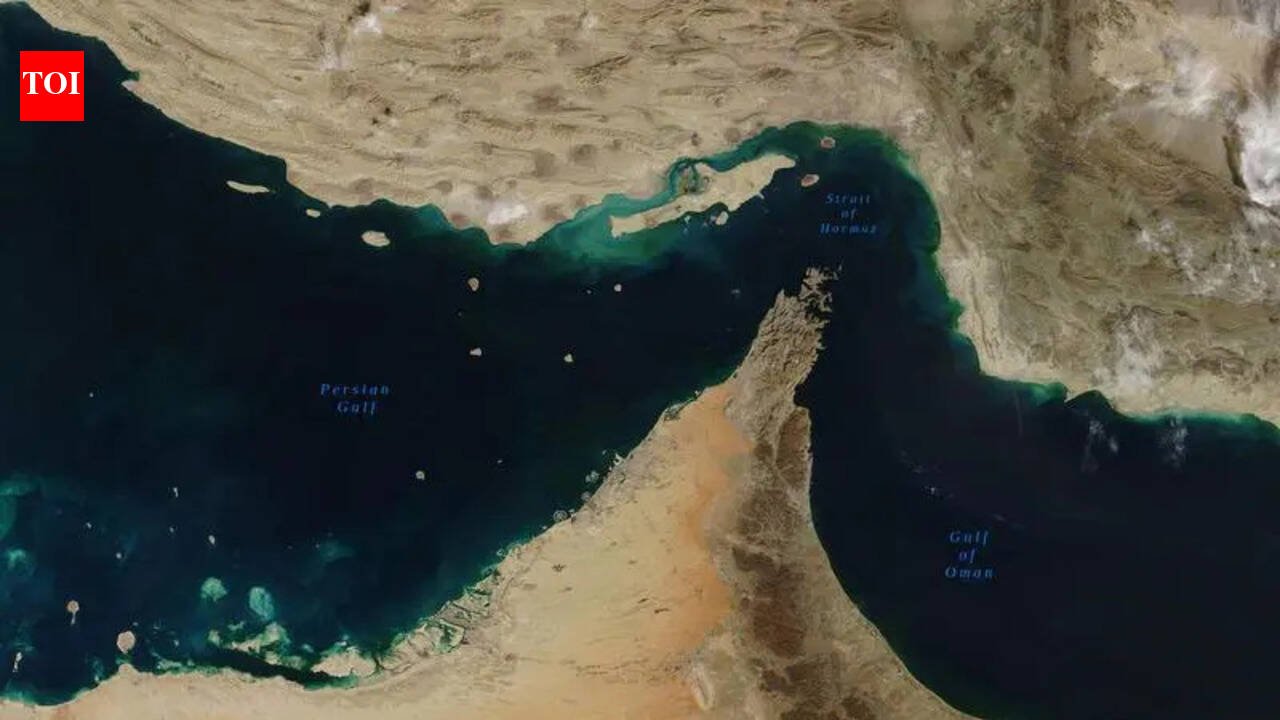
Hyderabad: Long before modern maps fixed the name ‘Strait of Hormuz’, echoes of this vital maritime corridor were already flowing through Telugu literature — not as a distant geography, but as a living link in trade, power and culture. In the verses of medieval poets and kings, the strait appears with a localised identity — ‘Hurumanji’ — revealing how deeply connected the Deccan region once was to the Persian world. Scholars and pandits point out that this intriguing reference to the Strait of Hormuz as Hurumanji finds place in two celebrated Telugu classics. King Sri Krishnadevaraya, in his iconic work ‘Amuktamalyada’, refers to Hurumanji as a crucial source of horses for his kingdom. Another literary gem, ‘Haravilasamu’ by well known 15th century poet Srinatha, also mentions Hurumanji, underlining its prominence in trade networks of the time. Historians say such references point to active trade between southern India and Iran as early as the 1500s. Striking resemblanceThese literary traces also suggest a fascinating linguistic overlap, with certain Telugu words bearing resemblance to Persian influences. Srinatha, who lived much before Krishnadevaraya, had already alluded to this connection. Acharya Bethavolu Ramabramham, former head of the Telugu department at University of Hyderabad, said that Hurumanji can be interpreted as a native expression for what is today known as the Strait of Hormuz. In Amuktamalyada, Krishnadevaraya underscores the strategic importance of securing horses and elephants from Hurumanji, advising that ports be strengthened to ensure such valuable resources do not fall into enemy hands — a reflection of sharp statecraft. During the medieval era, particularly under the Kakatiyas and later the Vijayanagara rulers, superior breeds of horses were essential for warfare. These prized animals were shipped from Arabia and Persia (present day Iran) to ports like Motupalli, Machilipatnam and Bhatkal via the Hurumanji route. Srinatha’s Haravilasamu offers another vivid glimpse, describing merchant Avachi Tippayya Setti and the goods he imported. Hurumanji is mentioned as the source of fine, fast-running horses (baruvaaramul), highlighting its central role in commerce. Trade goes beyond horsesHistorian and retired professor Kiran Choudhury noted that trade with the Persian region extended well beyond horses to include a range of luxury goods. Items such as rose water, dates, and dried fruits like almonds and pistachios were commonly imported, along with high-quality velvet fabrics. He observed that trade between Iran and the Deccan, particularly during the Vijayanagara empire, was substantial, with travellers from those regions visiting southern India and documenting their experiences.
