


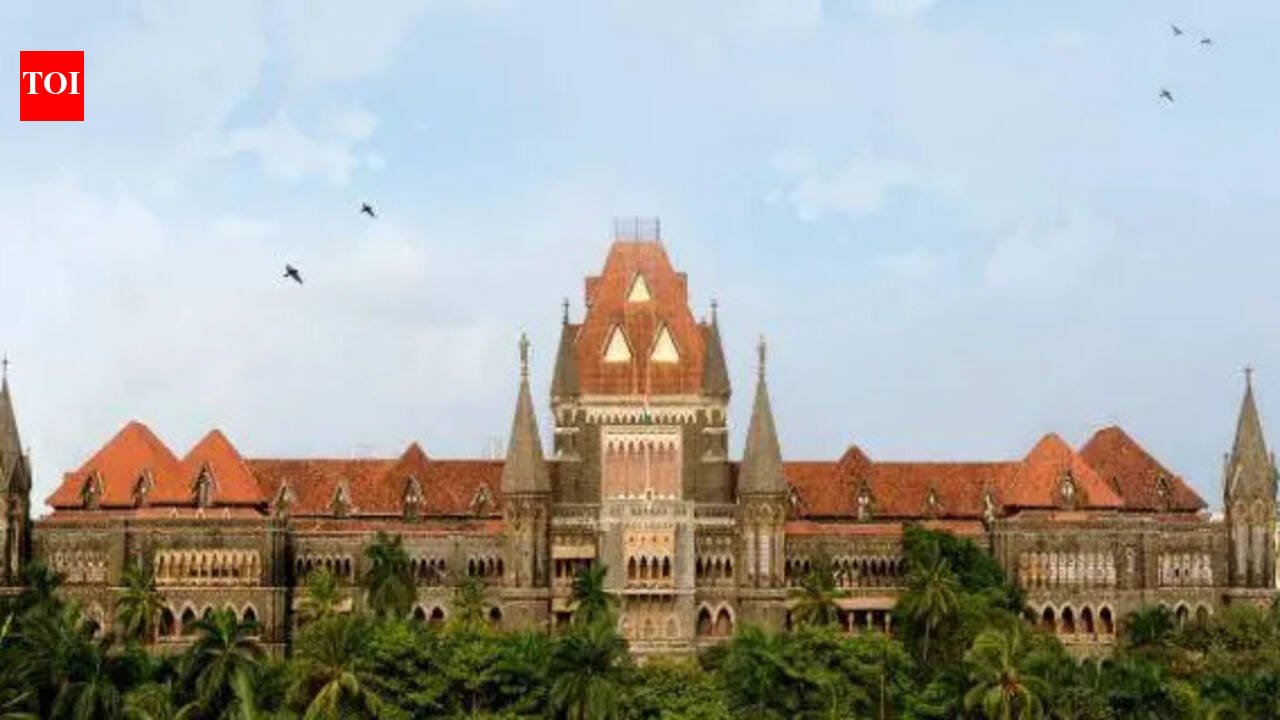
Mumbai: The Bombay high court on Wednesday upheld the permissions granted for a 16-storey redevelopment of a cessed tenanted 1940 structure on Altamount Road and dismissed a public interest litigation (PIL) of 2013 against it. The PIL, filed by Altamount Road Area Citizens Committee, claimed the permissions were illegal and arbitrary, set a “wrong and dangerous precedent”. The state said there was nothing illegal about it, and the HC agreed, holding the PIL was filed with a “clear objective” to target the builder.“A petition filed in the garb of public interest litigation cannot be entertained where no material facts constituting a cause in the larger public interest was disclosed,” said Chief Justice Shree Chandrashekhar and Justice Gautam Ankhad in the ruling out on Thursday. “There is no genuine public interest involved” and under a mask of a PIL it intended to stall the construction, HC observed. The building was originally called ‘Lincoln House’, said the PIL. It was in existence since Sept 1, 1940, and was a cessed structure, and redevelopment permission was granted in 2002 with initial commencement certificate in Nov 2002.Senior counsel Darius Shroff for the petitioners argued the permissions and concessions granted to the builder “seriously hampered the basic requirements for good life and affected the guarantee of right to life under Article 21 of the Constitution of India” with lack of sufficient escape route in case of fire, among other alleged lacunae. The building was completed in 2023, the HC was informed. The state through senior counsel Milind Sathe, now the AG, and the builder, Krishna and Company, through sr counsel Ashish Kamath, seeking dismissal of the PIL, argued it was based on incomplete and erroneous assumptions on applicability of Development Control Regulations. He submitted the HC agreed that the building permissions followed the DCR for minimum open space and other provisions. Sathe said there were no DCR violations and the ‘elevation projections’ or ‘lily ponds’ were permissible. The PIL said, “Residents around Altamount Road would face various infrastructural difficulties and this may also impact the safety and security in the neighbourhood.” An original two-building plan was later merged to one building. The HC said, “Sathe rightly pointed out that the threshold date for deciding the minimum marginal open space shall be the date when IOD (permission for building) was first granted.” The HC also found force in Kamath’s submission that PIL “made misleading statements in the petition so as to create a picture as if they are espousing a public cause.” The scope of judicial review in a PIL is “very limited,” the HC observed, adding, writ court cannot interfere with the decision of the executives so long as a reasonable procedure is adopted and followed by the executives. The writ court shall not interfere with the decision of the Executives even where some procedural compliances are not made.” “This is not the object behind entertaining a public interest litigation that the complaint of a private nature with personal interest or political motivation are encouraged. The court while entertaining a public interest litigation is required to be careful,” the HC noted, dismissing the PIL and vacated an interim order of 2018.
