


Gen Alpha beauty brands are the industry’s latest darlings, catering to skin-care-obsessed tweens via minimalist formulas housed in maximalist packaging. Just look at Salish Matter’s Sincerely Yours, which boasted 80,000 fans at its launch day pop-up, or Daise Beauty’s TikTok-viral, flower-shaped fragrances. But as the younger generation inevitably gets older, budding beauty brands built on youth culture have a choice to make: Will they grow with their core customers as their skin needs evolve, or will they risk losing relevance by doubling down on one age demographic?
Up-and-coming Gen Alpha beauty brands can look to their Millennial and Gen Z forebears for the playbook on how (and how not) to age up with consumers without sacrificing brand authenticity — something much easier said than done.
Many once-hot Millennial-focused beauty labels that seemed to be taking the industry by storm back in 2016 have faltered as that cohort has matured. Glamglow shuttered its e-commerce site late last year, Becca Cosmetics became a pandemic casualty and Bite Beauty closed its doors in 2022. Milk Makeup and Glossier have also hit significant turbulence, with Milk Makeup reporting an 18.3% drop in net revenue in Q4 2025 and Glossier undergoing a restructuring including layoffs and a plan to close nine of its 12 stores. Glossier’s fall from grace is a particularly interesting case study: Rather than focusing on clear messaging, Glossier stretched itself thin by unveiling Millennial-coded launches like its Universal Pro-Retinol while later chasing Gen Z-era trends via its Lip Glaze.
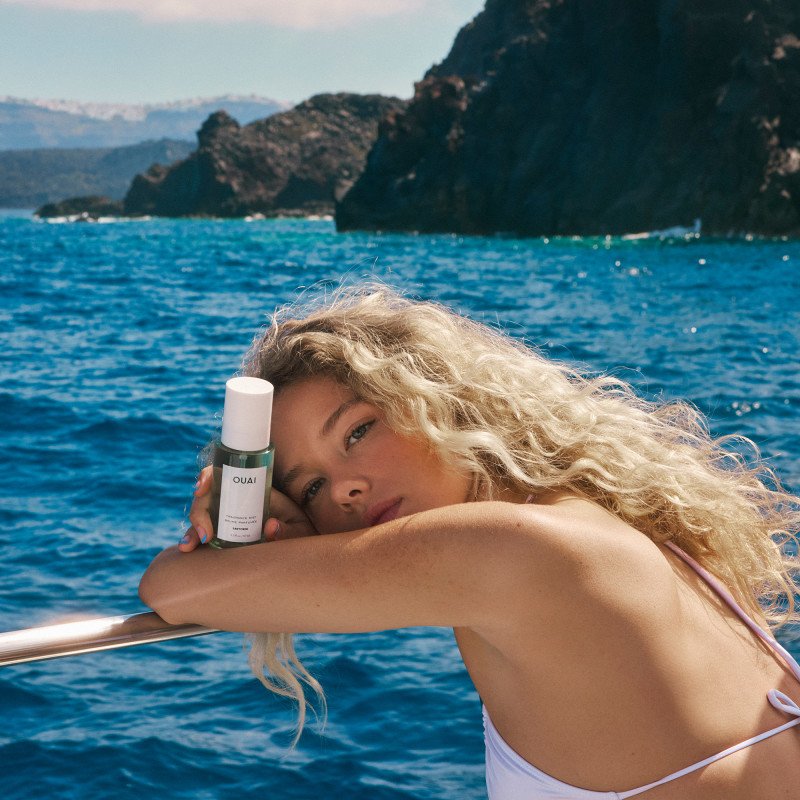
Photo: Courtesy of Ouai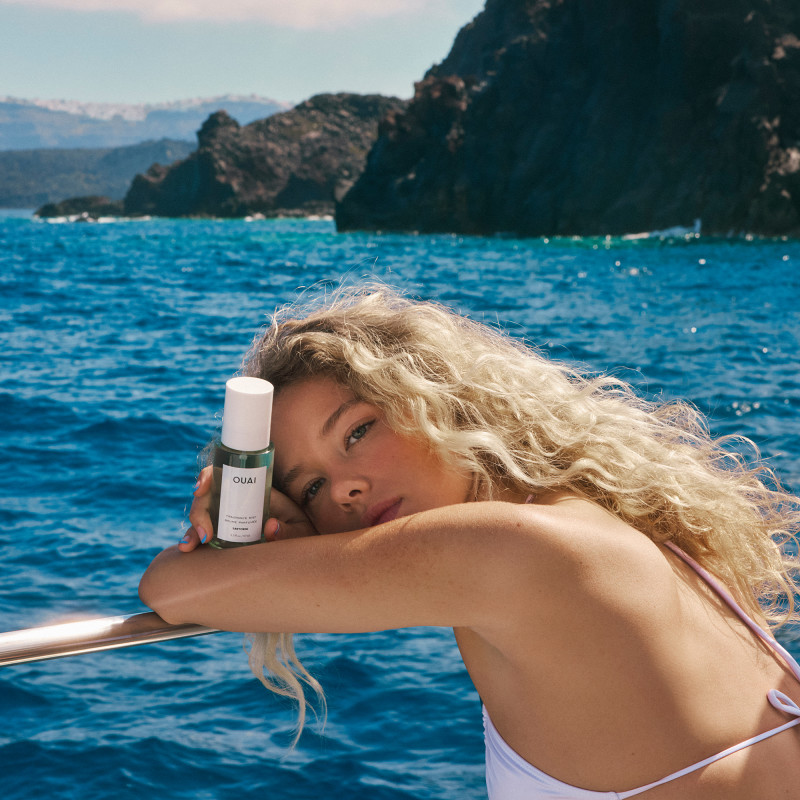
Cracking the code to longevity in the face of ever-shifting trends is key for beauty brands looking to age up with — rather than outgrow — their consumers. Take Ouai, for example: The hair-care brand founded by Jen Atkin in 2016 emerged as a buzzy Millennial brand championing effortless, easy-to-use hair products and has scaled its consumer base without losing touch with its OG fans. For Ouai’s VP of Brand Marketing Nicole Solorzano, the secret to successfully growing up alongside your audience is to “stay rooted in your brand identity instead of constantly chasing the next trend or audience shift.”
“Your earliest consumers are the reason your brand exists, and if you grow authentically with them, they’ll grow with you,” she tells Fashionista. “That means continuing to solve the problems they’re experiencing as their routines evolve while maintaining the voice and values that made them fall in love with the brand in the first place.”
Evolving (Not Flooding) Product Assortments
Photo: Courtesy of Byoma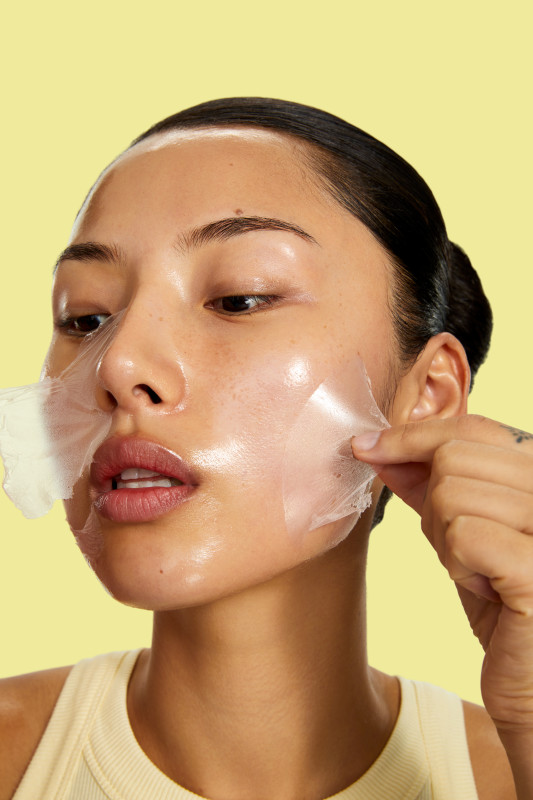
I hate to be the bearer of bad news, but Gen Alpha (and of course my fellow Gen Zers…) won’t be young forever. Beauty trends will change, skin barriers will need more support and retinol will become a vital skin-care step. Millennial and Gen Z beauty brands have already started navigating the challenge of expanding their product offerings for their aging consumers, offering Gen Alpha-centric brands a glimpse into what authentic evolution looks like.
Byoma, a barrier science-focused skin-care brand launched in 2022, instantly clicked with Gen Zers who spent the pandemic cosplaying chemists by experimenting with actives and exfoliants. “Early on, many of our consumers were focused on breakouts, sensitivity or repairing damage caused by over-treating their skin,” Byoma CEO Marc Elrick says. “As they get older, the conversation shifts towards hydration, brightness, resilience and long-term skin health. But the underlying science doesn’t change — a healthy barrier remains the starting point.”
Byoma’s new Bio-Collagen Radiance Facial Mask, embodies this shift: According to the brand, “Bio-collagen” reduces transepidermal water loss, improves skin texture and softens the appearance of wrinkles. The peel-off face mask also incorporates the brand’s signature “Tri Ceramide Complex,” which boosts the skin barrier and establishes a throughline within Byoma’s product assortment. As a result, the company’s latest launch addresses its audience’s evolving needs without sacrificing the qualities that won them over in the first place (see: its science-backed formulas, splashy packaging and relatable marketing).
Back in 2019, Tower 28’s initial audience also skewed younger as they were particularly drawn to the cult-favorite brand’s “effortless, uncomplicated approach to beauty,” Founder and CEO Amy Liu says. “I founded Tower 28 at 40, so I’ve always had an understanding of what our customers might need as their skin changes, but having daughters who are just starting their own beauty journeys has given me an even more real-time perspective on how to grow alongside our community,” she continues.
Photo: Courtesy of Tower 28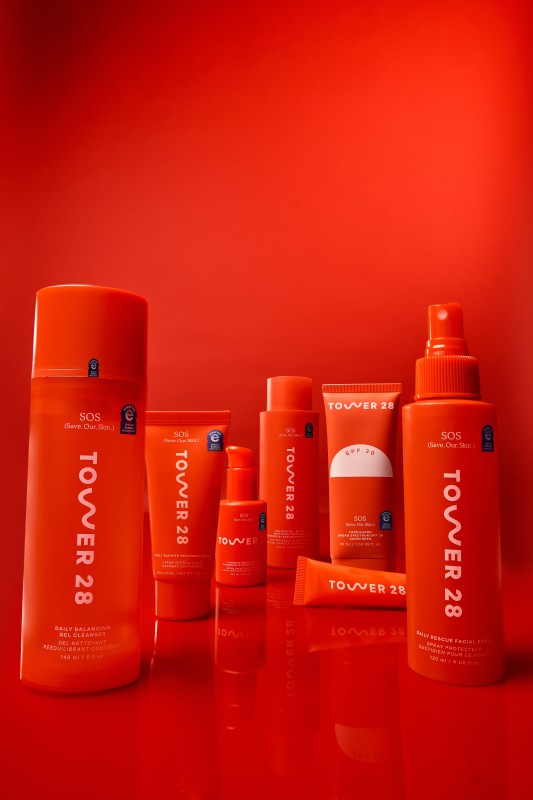
Tower 28 has since upgraded its three-SKU debut assortment (SOS Rescue Spray, SuperDew and a clear ShineOn Lip Jelly) to an impressive offering spanning skin care, body care and color cosmetics fit for all ages. The Los Angeles-based brand has stuck to its initial positioning of championing sensitive skin, now making it the first and only brand to receive all three seals (the National Eczema Association Seal, the National Rosacea Society Seal and the National Psoriasis Foundation Seal) on its skin-care products .
An easy trap for beauty brands to fall into is relying too heavily on trend-chasing in hopes of launching the “next big thing,” which can dilute a brand’s unique identity. This isn’t to say that keeping up with trends isn’t a successful strategy (everyone has a bottom line, after all), but rather, beauty brands shine when they interpret industry shifts through their own authentic lens.
For example, Carina Chaz built her fragrance brand DedCool without a specific demographic in mind, instead zeroing in on “self-expression and a choose-your-own-adventure mindset.” In keeping with fragrance’s evolving market, DedCool’s core franchise called “Milk” reimagines the amber-y musk into different variations, such as a trend-forward gourmand (Mochi Milk) or a salty, summer-y blend (Mineral Milk). “We create the tools, and people experience the brand in whatever way makes sense for them at that moment in their life,” Chaz notes. “As our community evolves, the brand naturally evolves with them.”
Photo: Courtesy of DedCool
The L.A.-cool brand has also seamlessly expanded into new fragrance mediums like laundry while maintaining its distinct brand identity. (I knew I was getting older when I got excited over a laundry detergent drop.) The goal is “to live across more parts of our consumer’s daily routine,” Chaz says. “Someone might discover DedCool through fragrance first, and later bring it into their home through laundry or other scented products.”
Maintaining an Authentic, ‘Layered’ Brand Voice
Photo: Courtesy of Innbeauty Project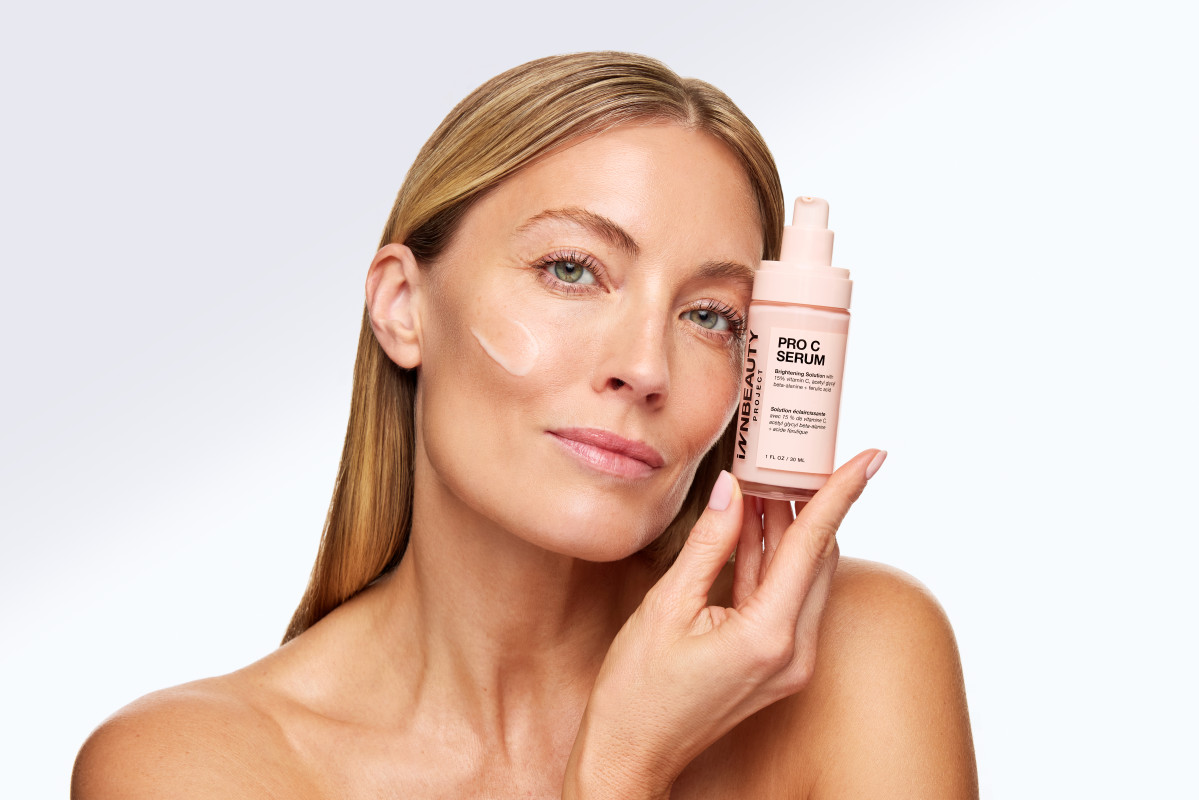
Beyond product expansion, brands’ messaging need to continue to authentically reach their evolving audience. Chronically online slang may seem like an easy way to capture younger audiences, but a Millennial brand throwing around “unc” and “chopped” may feel, well, unc and chopped. For Innbeauty Project, a multi-generational skin-care brand launched in 2019, the sweet spot is “building a brand that feels modern and relevant, but also substantive enough to earn long-term trust across age groups,” Co-founder Alisa Metzger tells Fashionista.
“Early on, a lot of our momentum came from creating a brand that felt fresh, fun and immediately engaging,” she adds. “That’s still an important part of our DNA, but as the brand has grown, we’ve been very intentional about building a deeper level of trust and credibility so that we continue to resonate not just with younger discovery-driven consumers, but also with more discerning skin-care shoppers — of all ages and stages.”
With its generation-spanning target market, Innbeauty Project is well-versed in the brand longevity playbook. Its best-selling Extreme Cream resonates across age groups, with younger consumers welcoming its “glass-skin effect” and mature consumers loving its firming qualities. To reach all ages, Metzger says Innbeauty Project’s marketing has become “more layered” over the years by leaning into education, clinical proof and formula differentiation.
Photo: Courtesy of Bubble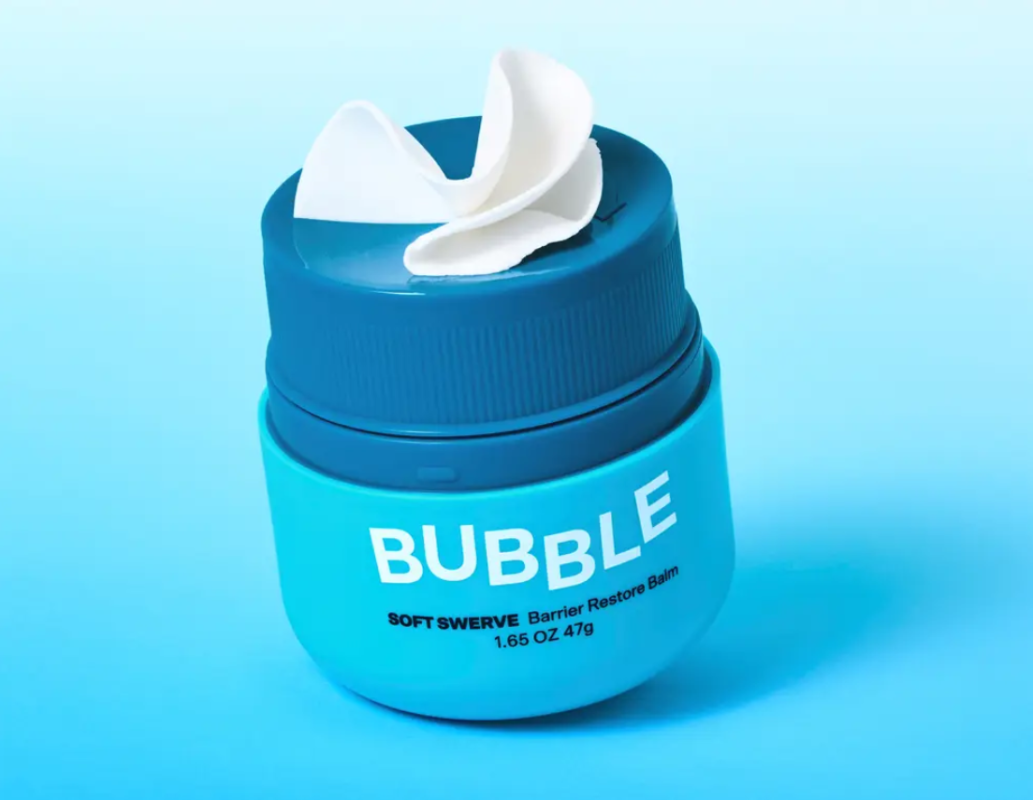
Bubble Skincare Founder Shai Eisenman concurs, noting that the Gen Z-beloved skin-care brand has also become increasingly “layered” since its 2020 launch: “We’re bringing our dermatologists forward, sharing our clinical results and helping our community understand not just what to use, but why it works,” she says.
Bubble targeted a Gen Z audience from the jump with its eye-catching packaging and transparent formulas, and now, it’s successfully courting Gen Alpha consumers as well. One of its core marketing strategies is its ambassador network, which boasts more than 100,000 people offering real-life perspectives that speak to younger generations’ appetite for authenticity.
“Today’s consumer doesn’t want to choose between credibility and excitement,” Eisenman says. “They expect both. And the brands that win are the ones that can deliver clinically proven results while still feeling like something you want to be part of.”
A Guide to Longevity For Gen Alpha Beauty Brands
Photo: Courtesy of Ouai
The Millennial and Gen Z-coded brands who persevered in the crowded beauty landscape have some advice for Gen Alpha brands looking to avoid fading into irrelevance as their audiences age up: Trends come and go, but anchoring your brand in a clear, authentic vision is timeless.
“It’s incredibly powerful to connect with a young consumer early, but if you want to grow with them, your brand has to stand for something deeper than just what feels relevant on social media or trendy at a specific moment,” Metzger notes. “Lean into your superpowers and the things that make you different to the extreme. Don’t dilute your brand to fit someone else’s vision or a single generational mold.”
Successful long-term brand building focuses on “emotional resonance, not just viral moments,” Ouai’s Solorzano adds. “The goal shouldn’t be to constantly reinvent who you are, it’s to deepen the relationship with your community over time.” Again, Gen Alpha won’t be young forever, so emphasizing efficacious formulas — rather than relying on trend-focused branding — sets the stage for a brand that successfully grows alongside its audience.
“The customers who discover your brand at the beginning may be in a very different place five or ten years later, and if you’re paying attention, they’ll tell you exactly what they need next,” Liu says.
Please note: Occasionally, we use affiliate links on our site. This in no way affects our editorial decision-making.
