


The first 11 matches of IPL 2026 have already exposed the difference between an auction that looks good on paper and one that is actually helping win games. At this point of the season, the real question is not who spent the most, but who has got immediate, usable value from the players they bought.
That early scoreboard is revealing. Chennai Super Kings’ auction buys have produced the most runs among all teams so far – 182. Rajasthan Royals’ buys have produced the most wickets – seven. Punjab Kings have got 108 runs from Cooper Connolly alone. Royal Challengers Bengaluru have got five wickets from Jacob Duffy alone. And Kolkata Knight Riders, despite the heaviest auction outlay among these teams at ₹63.85 crore, have only 90 runs and two wickets from their buys so far.
That is the split. Some teams have already turned auction plans into on-field value. Others are still carrying expensive theories.
CSK have the volume, but not the balance
No team has got more batting output from auction buys than the Chennai Super Kings. Their new buys have scored 182 runs, which is 33.5% of the team’s total 543 runs through three matches. That is a massive share. The problem is that CSK are still 0-3.
The numbers explain why this is a productive auction, but not yet a successful one. Sarfaraz Khan has been the standout bargain, scoring 99 runs for just ₹0.75 crore. That is absurdly good early value. Prashant Veer has added 49 runs, Kartik Sharma 25, and even Matt Henry has chipped in with seven runs and two wickets.
So CSK are getting contributions. But the structure still feels wrong. Their auction buys are doing too much of the repair work without actually changing the team’s trajectory. Spending ₹14.2 crore each on Prashant Veer and Kartik Sharma for a combined 74 runs so far is not a disaster, but it is not enough to justify that level of investment early either. CSK’s auction is alive. It just is not healing enough.
RR, RCB and PBKS have found clean, direct value
Rajasthan Royals have perhaps the clearest auction success story because one major buy is already dictating matches. Ravi Bishnoi has taken six wickets in two matches. That is 33.3% of RR’s total wickets and 38.9% of the wickets taken by auction buys across the side. RR have spent ₹13.4 crore on auction buys overall, and Bishnoi alone has made that spend look purposeful. Add Brijesh Sharma’s one wicket at ₹0.3 crore, and RR’s auction buys account for seven of the team’s 18 wickets.
That is what a sharp auction looks like. It addresses a cricketing need and starts delivering immediately.
RCB’s auction is quieter in volume, but just as effective in impact. Jacob Duffy, bought for ₹2 crore, has already taken five wickets. That is 26.3% of RCB’s total wickets. RCB’s auction buys as a group have five wickets and no runs yet, which tells its own story – this was not an auction carrying the batting, but strengthening the bowling around an already dangerous core. On cost-to-output, Duffy is one of the smartest buys of the tournament so far.
Punjab Kings are the batting version of that story. Cooper Connolly has scored 108 runs in two matches, which is 28.8% of PBKS’s total runs. PBKS have spent just ₹8 crore across four auction buys, and Connolly alone has made that outlay look clever. One player delivering 108 runs at ₹3 crore is strong enough on its own. When the rest of the team is also 2-0, that buy starts looking like a proper auction win, not just a nice stat.
DC have built the healthiest all-round return
Delhi Capitals may not have the loudest auction, but they may have the healthiest one. Their buys have given them 66 runs and four wickets in two matches. That works out to 21.4% of the team’s runs and 25% of the team’s wickets.
The batting support has come from Pathum Nissanka, who has scored 45 runs, and David Miller, who has added 21. The bowling return has come from Lungi Ngidi, who already has four wickets. The key thing here is balance. DC’s auction is not leaning on one man to justify itself. It has already helped in both departments. For ₹21.45 crore, that is a better spread of usable value than some teams with flashier auction headlines.
KKR have the biggest spend-return gap
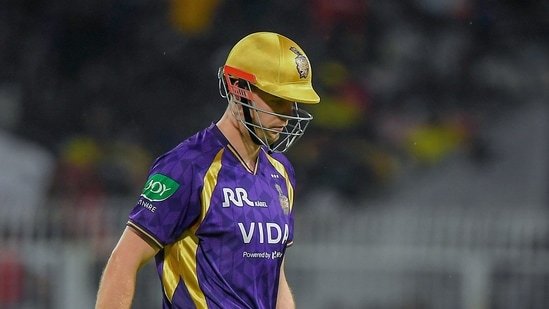
This is where the pressure sits. Kolkata Knight Riders have spent ₹63.85 crore on 13 auction buys. That is the biggest auction outlay among the teams here. The return so far: 90 runs, two wickets, one catch. That is not enough. Not even close.
Finn Allen’s 65 runs have been useful. Kartik Tyagi has been a superb low-cost contribution with five runs and two wickets for ₹0.3 crore. But once you move past those names, the silence becomes expensive.
Cameron Green, the ₹25.2 crore centrepiece, has only 20 runs to show so far. Add it up, and the imbalance becomes brutal: KKR have spent ₹63.85 crore for just 90 runs and two wickets. That is ₹0.71 crore per run and ₹31.93 crore per wicket. Even allowing for availability and role issues, that is the worst spend-return profile in the competition right now.
Also Read: KKR vs PBKS IPL 2026 Live Score: Chances of play slim as rain refuses to relent; washout looms
LSG, SRH, GT and MI are four different kinds of quiet
Lucknow Super Giants’ auction has not produced much yet, but it is important to read it correctly. Their buys have given them only 16 runs and no wickets. That is just 5.3% of their team runs. Mukul Choudhary’s 16 is the only visible batting return. This looks less like a failed auction and more like an auction whose upside has not properly entered the season.
Sunrisers Hyderabad have had a more worrying kind of quiet. Their auction buys have produced 32 runs and three wickets across three losses. Liam Livingstone, the ₹13 crore headline buy, has only 14 runs so far. Shivang Kumar has actually been the value surprise – nine runs and three wickets for ₹0.3 crore. Salil Arora has added nine runs. That means SRH’s best auction efficiency has come from the bargain bin, not the marquee investment. For a side that is 1-3, that is not what you want.
Gujarat Titans have got virtually no batting from their buys and only two wickets, both from Ashok Sharma. That is 15.4% of their wickets. He has also added two catches, making him almost the entire visible auction story for GT. With only one of five auction buys making an impact, GT’s auction has been more dormant than disappointing, but it hasn’t moved the team’s season yet.
Mumbai Indians are the blankest auction story of all. Five buys, ₹2.2 crore spent, and no runs, no wickets, no catches from any of them so far. The difference is that MI are not built around auction dependence. Their core is doing the heavy lifting. So the silence is less damaging here than it would be elsewhere, but it is still silence.
The best bargains and the biggest early concerns
The best batting bargain is Sarfaraz Khan: 99 runs for ₹0.75 crore. Cooper Connolly is next in that conversation with 108 runs for ₹3 crore. Finn Allen’s 65 runs for ₹2 crore also deserve a nod.
The best bowling bargain is Shivang Kumar: three wickets for ₹0.3 crore. Kartik Tyagi’s two wickets for ₹0.3 crore are another decent early return. Among the more premium buys, Jacob Duffy’s five wickets for ₹2 crore and Lungi Ngidi’s four wickets for ₹2 crore stand out immediately.
The biggest concern is clearly KKR, because the spend is too large for the current influence. SRH’s bigger buys have not shifted the season enough either. CSK’s auction has produced numbers, but not enough resolution. LSG’s returns are weak, though their 1-1 start softens the criticism.
The cleanest early auction winners are RR, RCB, PBKS and DC. They have not just bought players. They have bought players who are already affecting matches. And in April, that is the only auction language that really matters.
