


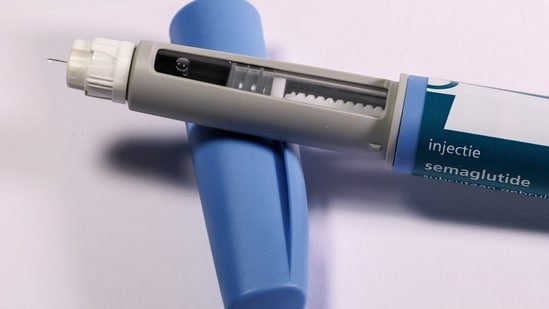
Weight loss drugs are having a major moment, with GLP-1 injections quickly becoming the go-to solution for shedding kilos and managing weight. From celebrities to everyday users, more people are turning to these medications – but with the surge in popularity comes a wave of questions around their long-term effects. Among the most talked-about concerns is whether these drugs could impact bone health. Does using GLP-1s lead to a loss in bone density, or is there more to the story?
Also Read | Is ozempic forever? UK surgeon explains how GLP-1 drugs work, and whether you need to take them indefinitely
Dr Karan Rajan, a UK-based surgeon and popular health content creator, is breaking down the truth behind the link between GLP-1 drugs and bone loss. In an Instagram video shared on April 5, the UK-based surgeon unpacks the real reason for declining bone density, explaining the changes driven by the mechanics of weight loss and its impact on muscles and bones.
Do GLP-1s cause bone loss?
According to Dr Rajan, a drop in bone mineral density can occur with weight loss on GLP-1 medications – but he stresses that this isn’t unique to these drugs. It’s a broader consequence seen with most forms of weight loss. He explains that there’s no specific biological mechanism by which GLP-1s directly trigger bone breakdown or inhibit bone-building cells; rather, changes in bone density are typically linked to weight loss itself, not the medication driving it.
The surgeon explains, “If you’re on a GLP-1s, you can lose bone density, but any weight loss can cause that. There’s no plausible biological mechanism by which semaglutide, tirzepatide, or any GLP-1 medication directly contribute to bone loss or activate osteoclast, the cells that break down bone, or block osteoblast, the cells that build bone. GLP-1 receptors exist in bone tissue, and in pre-clinical studies, GLP-1s appear to have neutral or even protective benefits.”
Bone loss caused by weight loss
Dr Rajan highlights that rapid weight loss can accelerate the loss of bone density. He explains that when you lose weight quickly, you’re not just shedding fat – you’re also losing lean mass, including muscle. Since bones adapt to the mechanical load placed on them, a reduction in muscle mass means less stimulation for bone maintenance, which can, in turn, lead to a decline in bone density. Crucially, he emphasises that this isn’t specific to GLP-1 medications – it’s a physiological response that can occur with any form of weight loss.
The surgeon notes, “Rapid weight loss from any cause can lead to a greater bone density loss. When you lose weight very quickly, you lose fat and lean mass and that includes muscle and your bones adapt to the mechanical load placed on them. Less body weight equals less load which equals a reduced stimulus for bone maintenance. This can happen with bariatric surgery, extreme dieting and GLP-1s if you don’t build the lifestyle foundational habits. A 2024 study in JAMA looked at people on tirzepatide for 72 weeks. They found small decreases in bone mineral density, around one to two percent at the hip. But this is consistent with what we see in equivalent weight loss with any method.”
Ways to prevent bone loss
Dr Rajan highlights that weight loss in general – not the drug itself – explains the changes in bone density. However, there are ways to protect your bones during a weight loss period, including when using GLP-1s. He recommends the following:
- Lift weights to put mechanical load on bones. The mechanical load stimulates osteoblast through mechanotransduction.
- Aim for adequate protein on a calorie deficit, around 1.6 g per kilo. Protein supports the muscle and bone matrix.
- Impact stimuli like walking, jumping, and running can help stimulate bones and muscles.
- Try to avoid losing more than one percent of your body weight per week. Slower weight loss preserves muscle and bone.
Note to readers: This article is for informational purposes only and not a substitute for professional medical advice. It is based on user-generated content from social media. HT.com has not independently verified the claims and does not endorse them.
