


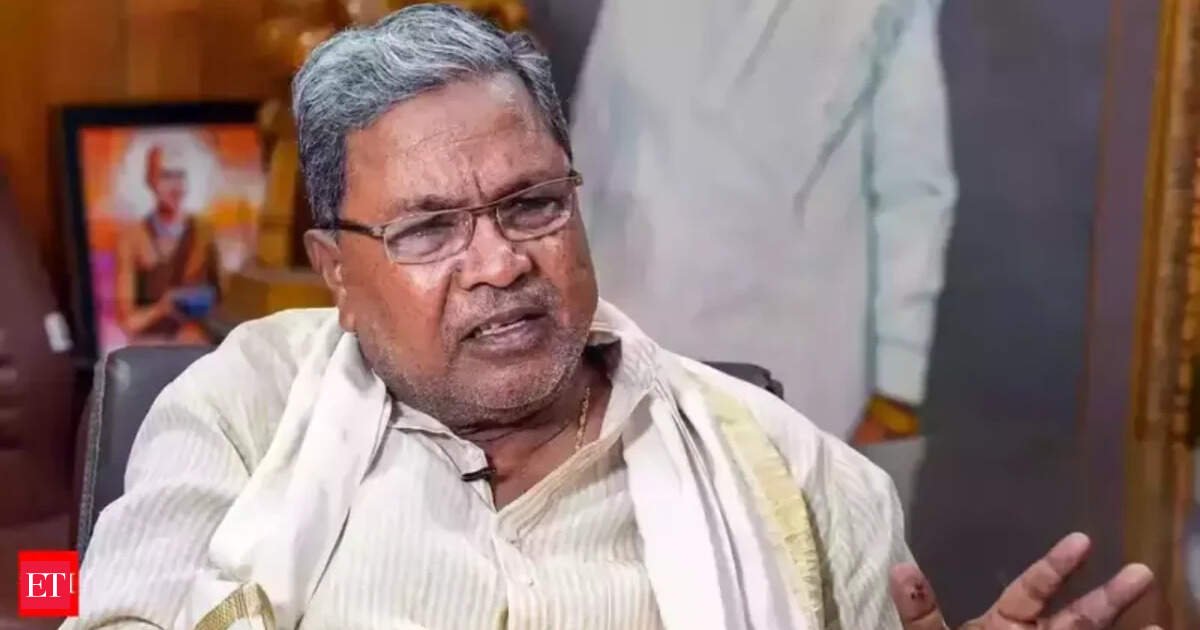
In a statement, Siddaramaiah said he welcomed the Prime Minister breaking his silence on the subject, but questioned the timing and intent. “This sudden concern for reassuring southern states appears less like statesmanship and more like election-driven messaging,” he said.
The CM stressed that the debate was not about whether the number of Lok Sabha seats would increase, but about the manner and distribution of that increase. He argued that the proposed expansion disproportionately benefits BJP-ruled or BJP-dominated states.
Citing projections, Siddaramaiah said states such as Uttar Pradesh, Maharashtra, Bihar, Madhya Pradesh, Rajasthan and Gujarat were likely to see significantly higher increases in parliamentary seats compared to southern states. In contrast, Karnataka, Tamil Nadu, Andhra Pradesh, Telangana and Kerala would see relatively smaller gains, he said.
According to him, while five southern states together would add around 63–66 seats, the seven northern and western states mentioned would collectively gain nearly 128–131 seats—almost double the increase.
“Even if the Lok Sabha expands to 816 seats, the southern states’ share remains around 24%, which is already modest,” he said, adding that states which had performed better on population control and governance risked being disadvantaged.
Siddaramaiah also pointed to a widening gap in representation. “The difference in seats between Uttar Pradesh and Karnataka is set to rise further, as is Maharashtra’s lead over Karnataka. This is not merely expansion, but a concentration of power,” he said.Terming the exercise a deviation from cooperative federalism, the CM alleged that the proposed changes could weaken the voice of southern states. He called for wider consultations and public debate before undertaking any structural changes to parliamentary representation.
“The people of Karnataka and those who believe in federalism deserve fairness, transparency and respect. We will oppose any move that undermines our voice,” he added.
