


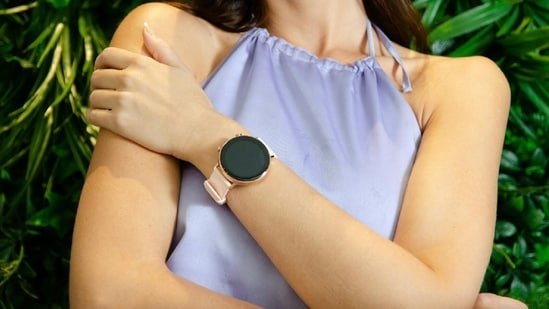
This change has been monumental and more visible, especially in the past two decades. Among other things, the way people use their watches has changed significantly. What was once a simple gizmo to check time has now evolved into a gadget that not only displays date and time, but can also track your health, your location, and can be used for calling and messaging people and even playing games. To put it simply, wrist watches have gone from being a simple tool to one of the smartest pieces of tech you own.
This multi-faceted nature of smartwatches has made them extremely popular among buyers. It has also raised an important question among buyers: are smartwatches actually replacing classic watches? The answer isn’t as simple as it seems. It largely depends on how you plan to use your watch or smartwatch.
Why are smartwatches gaining popularity?
Smartwatches are gaining popularity among masses as they offer a slew of features that are not restricted to displaying date and time. Today, smartwatches can track your fitness, your heart rate, your water intake, and your step count. They can tell if you have been working non-stop without taking breaks. They can even take calls and let you check messages without ever touching your smartphones. What’s more? These features don’t cost a lot and can be easily accessed in smartwatches under ₹5,000.
Are classic watches still relevant?
Yes, classic wrist watches are still relevant and they aren’t going anywhere. While the smartwatch market is growing globally, classic watches continue to dominate the market where technology isn’t a priority. So what do they offer that smartwatches don’t? There are many such features. To start with, classic watches aren’t just timepieces, but they represent craftsmanship and legacy that doesn’t fade away with a software update. Beyond this, they offer a long battery life running into years. They are also a symbol of luxury and some of them can also be used as investment options.
Despite this value, many classic watch companies have ventured into the smartwatch space to diversify their user base in the recent past. Here are a few options for you:
Classic watch vs smartwatch: Quick comparison
FEATURES |
SMARTWATCHES |
CLASSIC WATCHES |
| Purpose | Time keeping, fitness tracking, productivity | Timekeeping |
| Battery Life | 1–7 days | Years |
| User Interface | Touchscreen + digital UI | Analog hands |
| Health Tracking | Heart rate, SpO2, sleep, ECG, stress | None |
| Connectivity | Bluetooth, eSIM | None |
| Maintenance | Software updates and charging | Occasional servicing |
| Longevity | 3 – 5 years | 10 – 50+ years |
| Customization | Watch faces, apps, straps | Straps and dial variants |
| Price Value | Depreciates quickly | Can retain or increase value |
Similar stories for you
Struggling with calls on the go? These 5 premium earphones feature crystal clear calling
Disclaimer: At Hindustan Times, we help you stay up-to-date with the latest trends and products. Hindustan Times has an affiliate partnership, so we may get a part of the revenue when you make a purchase. We shall not be liable for any claim under applicable laws, including but not limited to the Consumer Protection Act, 2019, with respect to the products. The products listed in this article are in no particular order of priority.
