


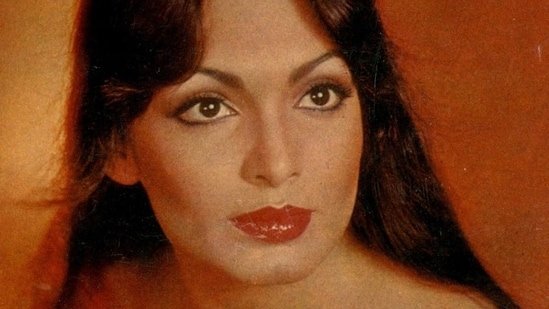
Parveen Babi, who was born on April 4, was a trailblazing Indian actor and model who became one of the most iconic and highest-paid stars of Bollywood during the 1970s and early 1980s. Parveen Babi is often remembered for redefining the ‘Hindi film heroine’ by bringing a Westernised, bohemian glamour to the screen that broke away from the more traditional, submissive archetypes of the time. Also read | Quote of the day by Ajay Devgn: ‘Awards are only given to those who…’
What is Parveen Babi’s famous quote
In July 1976, she made history as the first Bollywood star to appear on the cover of Time magazine, which used her to represent the changing face of Indian cinema. Just a couple of years prior to that, Parveen had spoken about her career and how she ‘earned a lot of money’.
On her birthday, let us revisit the startlingly candid confession she made in 1974 — a statement that remains one of the most honest critiques of celebrity culture ever uttered.
As per an August 25, 2020 Scroll article, in the December 1974 issue of Filmfare, Parveen said: “I’ve earned a lot of money for doing practically nothing… There is hardly any work; it’s very elementary. But the money is terrific; so let’s leave this art for art’s sake business out of it. I am happy as things are.” Also read | On Parveen Babi’s birth anniversary, five interesting facts about her life
Why what Parveen Babi said was refreshing
In a world of highly curated PR personas and ‘method acting’ narratives, Parveen’s quote, over 50 years old, feels remarkably fresh. Most stars spend their careers trying to convince the public that their work is gruelling and deeply intellectual. Her admission was a rare moment of radical transparency. Parveen acknowledged the disparity between effort and reward in the entertainment industry—a conversation that is currently peaking as influencers and digital creators face scrutiny over the ‘labour’ behind their content.
In 2026, as burnout becomes a global epidemic, Parveen’s refusal to over-intellectualise her job feels like a precursor to modern movements prioritising work-life balance over performative passion. She saw her career as a means to an end, demonstrating a level of self-awareness decades ahead of its time. Moreover, Parveen didn’t just change how ‘actresses’ looked; she changed how they spoke. By being ‘happy as things are’ without pretending to be a tortured artist, she asserted a sense of agency.
While Parveen Babi’s life was later marked by health struggles, her quote serves as a reminder of the sharp, witty, and fiercely independent woman who entered the industry. She wasn’t just a ‘Westernised’ face; she was a woman who saw the machinery of fame for exactly what it was. She somehow made the difficult look so easy that even she thought it was ‘nothing’.
