


Some food movements arrive not as trends, but as homecomings. Across India, chefs are digging back into the soil and pulling out stories. At Masque in Mumbai, Head Chef Varun Totlani treats forgotten ingredients like VIP guests.
Prickly pear, usually a spiky afterthought on a cactus, becomes a sharp pink sorbet, chilled with tender tadgola, tangled with chhunda, slicked with gondhoraj lime leaf oil and finished with chilli and chaat masala salt. It tastes like a Bombay summer reimagined by a very precise dreamer.
“We tap global techniques to deepen flavour, because there’s no single way to honour indigenous ingredients”, says Totlani. In Delhi, The Agave Room leans into local jewels, millets, wild olives, sharp native greens, swapping white flour and polished rice for quinoa and heritage grains. Their Mexican black beans with quinoa, vegetables, avocado and microgreens in a sweet-citrus dressing tastes like a salad that has seen the world, but still knows where it comes from.
Greener plates
Restaurants are going green, but not with preachy slogans, more with quiet, clever moves behind the pass. At Comorin (Delhi and Mumbai), the kitchen works like a well-run lab. Three rules rule: Reduce, Reuse, Refuse. Vegetables arrive from trusted, sustainable growers; prep is done in small, tightly watched batches, so there’s no sad, forgotten tub of curry dying in the walk-in.
Menus change with the weather, not with fashion. United Coffee House Delhi, now over a stately 80, treats sustainability like old school discipline. Quality produce only, recipes followed like legal contracts, and constant tasting to keep every butter chicken and cheese ball true to character, even as they gently evolve.
Olive Bar & Kitchen has long shopped like a chef in a food-forward European city, farms first, both rural and urban. “The team is nudged toward a zero-waste mindset; summer and winter menus pivot around what’s actually growing,” Shares Chef Dhruv Oberoi.
Then there’s HOME by PVR, which flies in jet-fresh ingredients from Japan, gleaming fish for sashimi and nigiri, neat rolls, crisp vegetarian bites, married with modern techniques in a way that makes ‘imported’ feel less like a flex and more like a very focused obsession.
Eating with a conscience
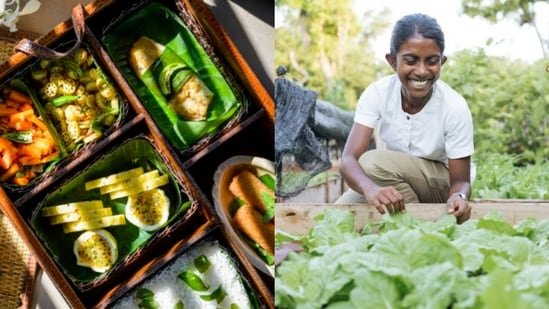
At Galle’s old-world Amangalla, lunch feels like stepping into a Sri Lankan living room. Clay pots bubble with jackfruit curry, sour fish ambul thiyal is sharpened with goraka, and coconut sambol is ground fresh on a stone. The kitchen follows the monsoon, not a trend report.
In Zurich, Haus Hiltl has been cooking vegetarian since 1898, back when ‘plant-based’ was just… food. Herb-packed spätzli, creamy lentil curries and crispy fritters use every stalk and peel; yesterday’s leftovers return disguised as tomorrow’s stars. Then Soneva in the Maldives turns luxury into a quiet promise.
Reef fish is line caught nearby, vegan menus are widespread, and chefs quietly push out sugar, dairy and white flour, proving indulgence can feel light, not guilty.
