


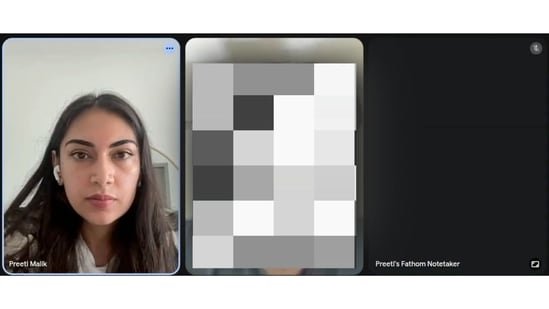
A co-founder has shared how a simple conversation helped her retain a key employee who had unexpectedly resigned. Taking to LinkedIn, Preeti Malik, co-founder of Digital Creativs, recalled receiving a resignation she “didn’t see coming”.
“He was a good employee. Reliable, sharp, great culture fit,” Malik wrote, adding that the employee had come into a one-on-one meeting ready to quit, while she had planned to discuss performance concerns. But even before she could raise those issues, she said that the employee asked to share something. “I won’t be able to continue,” he said, prompting Malik to pause her agenda and instead ask a different question.
Malik shared that rather than addressing performance issues, she asked one question that changed the outcome. “If you could design your ideal role, what would that look like?” she asked the employee. The response, she said, shifted her perspective. “He wasn’t leaving for more money. He was leaving because there was a role misalignment,” she wrote.
According to Malik, the employee enjoyed the automation work he had originally been hired for. However, additional repetitive tasks had been layered onto his role over time, forcing him to constantly switch contexts and reducing his engagement.
“Turned out the automation work which is what he came in for, the stuff I never had a single problem with… he loved. The tedious work we’d layered on top? He hated it. Because it made him context-switch every two seconds and taking focus away from the work he enjoyed,” Malik wrote.
(Also Read: Capital Mind CEO Deepak Shenoy backs ‘Life of Puja’ amid ‘industry plant’ claims: ‘Haters are everywhere’)
Lessons on retention
Taking this feedback into account, she said that she returned the next day with a restructured role tailored more closely to the employee’s strengths and interests. The employee asked for time to consider the offer, but soon accepted. “I’ll take you up on it,” he messaged her the following morning.
Malik reflected that had she treated the resignation purely as a performance issue, the company could have lost a valuable team member. She listed what was at stake – “a culture fit that’s genuinely hard to replace, months of business context sitting in his head and someone who’s actually good at an important role”.
The experience, Malik said, changed how she views employee retention. “Retaining your team isn’t about perks or pay bumps,” she wrote. “It’s about whether your team feels like they do work that matters and helps them grow,” she added.
Malik concluded the post saying that the outcome hinged on asking the right question at the right time. “I almost missed it entirely. One question changed everything,” she wrote.
