


In a space as delicate and deeply personal as fertility treatment, credibility is not built overnight. It is earned, case by case, outcome by outcome, and often through journeys that test both medical expertise and emotional resilience. For Aksigen IVF, this journey has been shaped by a clear intent, to bring clinical depth and operational clarity together in a way that genuinely improves patient experience.
The recognition as ‘IVF Clinic of the Year’ alongside ‘Excellence in Digital Innovation’ is not just symbolic. It reflects a model that does not treat medicine and technology as separate tracks. Instead, both function as interdependent forces. IVF, by its very nature, is a layered process. From diagnosis to embryo transfer, every stage demands precision. What Aksigen has done is build systems around this complexity so that quality does not fluctuate across steps.
Their internal framework, referred to as ROOTS 360, quietly anchors this philosophy. It is not positioned as a marketing construct but as a working structure that connects clinical decision-making, embryology processes, and patient communication into one flow. The emphasis remains clear, outcomes first, supported by systems that ensure consistency rather than chance.
At the heart of this approach is the belief that no two patients are the same, and care should reflect this through truly personalized protocols. Fertility is not linear, and Aksigen’s clinical pathways reflect that understanding. Whether it is a case of PCOS, diminished ovarian reserve, or prior IVF failures, treatment strategies are shaped around individual biology, not templates. This level of customization is further strengthened by their embryology lab, which operates with strict controls and minimal variability, something that often determines the difference between an attempt and a success.
What stands out equally is how technology is used. Not as a front-facing gimmick, but as an enabler behind the scenes. Digital systems at Aksigen bring structure to documentation, improve traceability within lab procedures, and make treatment journeys easier to follow for patients. Fertility treatment can feel overwhelming, and clarity often becomes as important as care itself. By simplifying complex processes and making them more visible, the clinic reduces uncertainty, which in turn builds confidence.
This shift also mirrors a broader change in patient behaviour. Compared to a decade ago, today’s fertility patients are more aware, more informed, and far more proactive. Many walk into clinics with a baseline understanding of IVF and expect a level of personalization that goes beyond generic advice. Social changes such as delayed parenthood and lifestyle-related conditions have also increased the need for fertility support, but what is equally encouraging is the reduced hesitation in seeking it early.
In such a landscape, trust becomes the real differentiator. At Aksigen, that trust is built through a combination of scientific discipline and clear communication. Treatment decisions are guided by medical suitability, not volume. Conversations with patients are kept transparent, especially when it comes to expectations and outcomes. Alongside this, there is a conscious effort to support patients emotionally, not just clinically, recognising that fertility journeys are rarely straightforward.
Looking ahead, the direction seems defined. Fertility care in India is moving toward more structured, evidence-backed, and patient-aware systems. Aksigen’s focus on clinical pathways, digital integration, and ongoing research places it within that shift. Their work in reviewing scientific literature and contributing insights back into the ecosystem signals a move beyond service delivery into knowledge building.
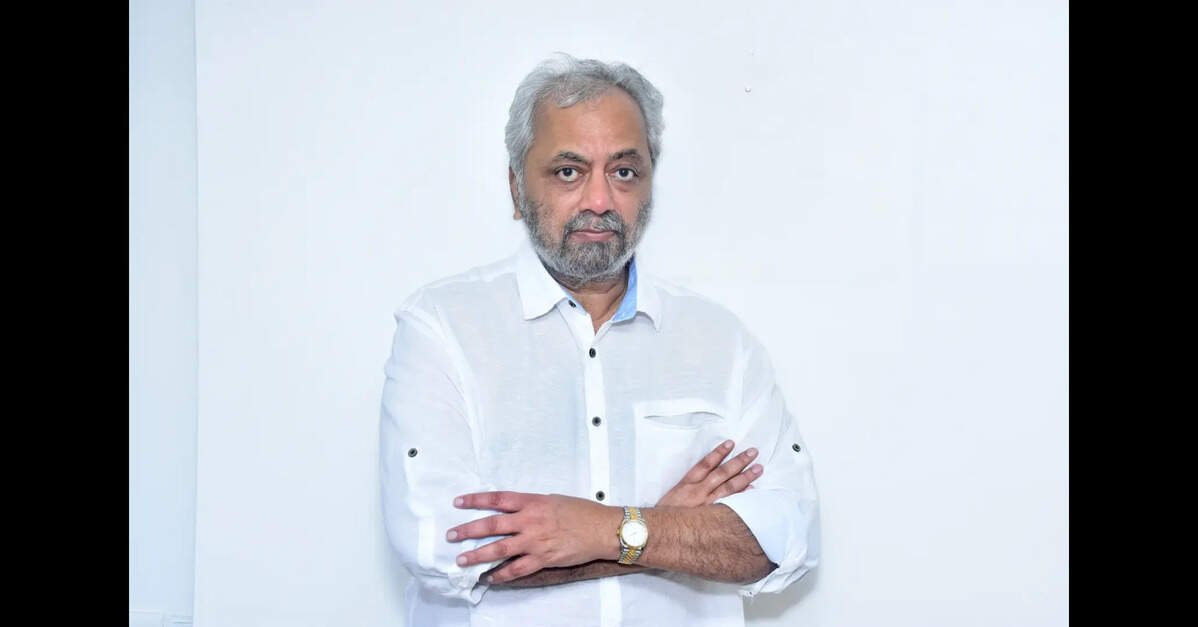
As Dr. Gautam Daftary, Founder & Chairman, Aksigen IVF Pvt Ltd puts it, meaningful progress in fertility care will depend on how actively clinics contribute to scientific understanding, not just outcomes. That thought perhaps captures the larger intent. Not just to treat, but to evolve the way treatment itself is approached.
In a field where hope and science intersect so closely, that distinction matters.
