


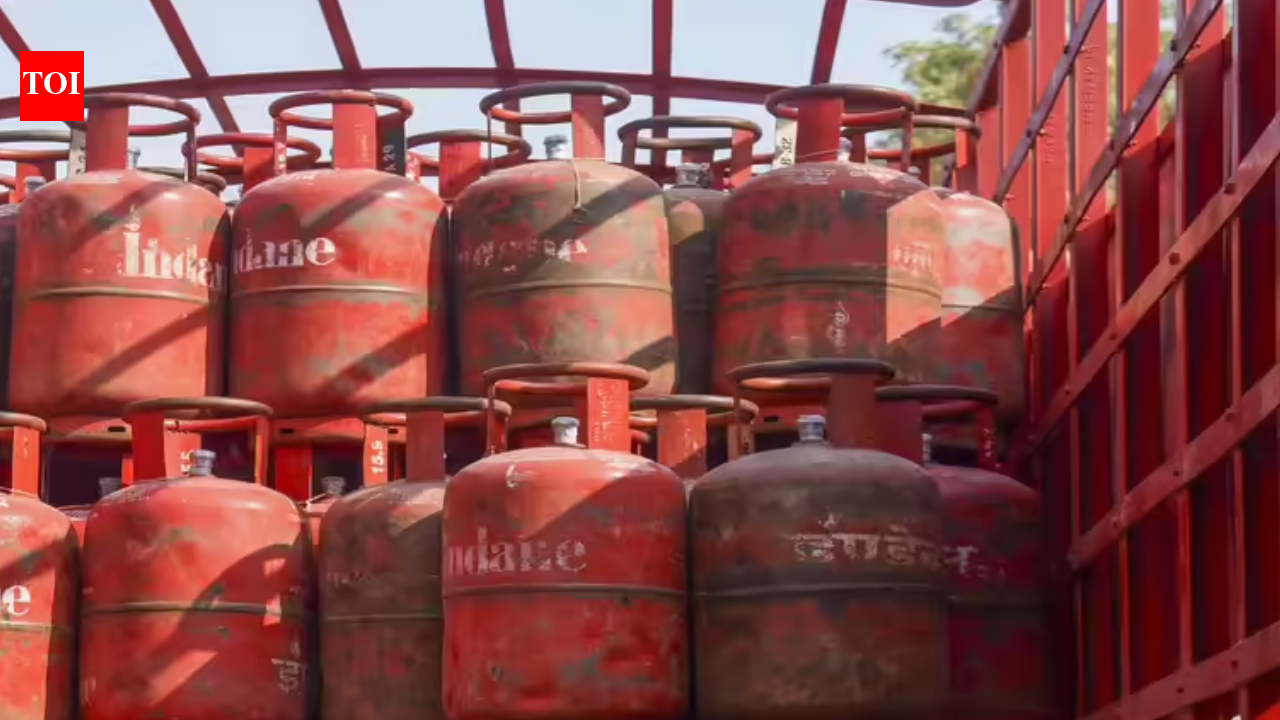
NEW DELHI: Chandigarh and Delhi have emerged as the biggest consumers of domestic liquefied petroleum gas (LPG/cooking gas), with annual consumption in both cities significantly higher than the national average.As per data shared by the petroleum ministry in Parliament, beneficiaries of Pradhan Mantri Ujjwala Yojana (PMUY) in the national capital consumed 7.4 cylinders in 2025-26, while those in Chandigarh used 7.2 cylinders, against the national average of 4.8. Among non-PMUY consumers, usage was even higher. Households in Chandigarh consumed nearly 9.6 cylinders in FY26, while those in Delhi used 9.2 cylinders.The national average for nonPMUY consumers in the justended fiscal year was 6.8 cylinders. The govt pro-rated LPG consumption data from April 2025-Jan 2026 to estimate the annual average.Other states where LPG consumption exceeded the national average include Haryana, Uttarakhand, Punjab, Rajasthan, Uttar Pradesh, Gujarat and Karnataka, along with UTs such as Puducherry and Andaman and Nicobar Islands. In contrast, Chhattisgarh, Jharkhand, Assam, Madhya Pradesh and several Northeastern states reported consumption well below the national average.Based on consumption patterns across PMUY and nonPMUY households, govt recently revised the minimum gap between delivery of a cylinder and booking of a refill to 25 days in urban areas and 45 days in rural areas.The move came amid pressure on energy imports due to the ongoing conflict in West Asia, a key supplier of crude oil and gas.India meets 60% of its LPG requirement through imports, and 90% of it comes from West Asia. India has over 31 crore LPG consumers, including 10.6 crore PMUY beneficiaries.Launched in May 2016, the scheme aims at providing deposit-free LPG connections to adult women from poor households. Beneficiaries currently receive a subsidy of Rs 300 per cylinder, for up to 12 refills, credited directly to their bank accounts.In a written reply to an unstarred question in Rajya Sabha, MoS for petroleum Suresh Gopi said the govt released Rs 31,246 crore towards PMUY subsidy and Rs 6,348 crore under direct benefit transfer for LPG between 2020-21 and 202425. Higher consumption of LPG could also add to the govt’s subsidy burden if global prices remain elevated amid the ongoing conflict.
