


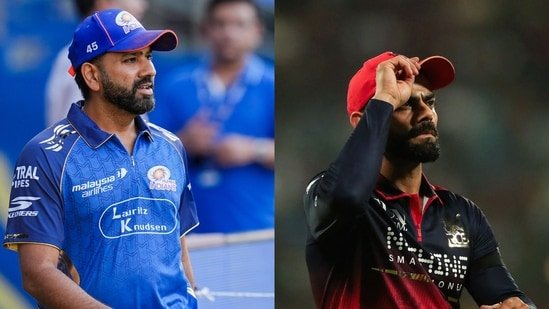
R Ashwin offered a sharp reading of two of Indian cricket’s biggest batting personalities on JioHotstar ahead of the Mumbai Indians’ IPL 2026 opener against the Kolkata Knight Riders at the Wankhede Stadium. With Virat Kohli having already opened the season in commanding style for Royal Challengers Bengaluru a night earlier, and Rohit Sharma stepping back into the spotlight for Mumbai, Ashwin’s comparison carried more weight than routine pre-match chatter. Kohli had just made an unbeaten 69 off 38 balls in RCB’s six-wicket win over Sunrisers Hyderabad, while Rohit was preparing to begin another season in which his role, intent and method remain central to Mumbai’s batting identity.
Ashwin’s statement captured the difference in how the two have long approached T20 batting. “Look, I think contrasting personalities in many ways. Virat loves to make those runs. He wants to be the center stage. He wants to do things in a certain way. While Rohit is slightly different, he loves to be a lot more flamboyant and wants to take on the bowlers from the start. I don’t think he’s going to change one bit this season.”
The contrast works because it is rooted in long-established patterns. Virat Kohli remains the league’s all-time leading run-scorer, with 8,730 runs in 268 matches, and still owns the record for the most runs in a single IPL season as well as the most career centuries in the tournament. His opening-night innings against Sunrisers was another reminder of how often he shapes matches by controlling tempo, batting deep and keeping the game revolving around him. Ashwin’s line about Kohli wanting to be “the centre stage” was about that influence – the ability to take charge of an innings and dictate how it unfolds.
Rohit’s brief is impact, not reinvention
Rohit Sharma’s case is different, and Ashwin made that distinction clearly. He has more than 7,000 runs and the most sixes by an Indian in the league. That record has been built not on batting in one fixed rhythm but on bursts of command, especially when he is at his most proactive early in the innings. So when Ashwin said Rohit is “a lot more flamboyant” and wants to “take on the bowlers from the start,” he was identifying the version Mumbai Indians still need – the senior batter who can seize the powerplay rather than merely survive it.
That also explains the most important line in Ashwin’s assessment: “I don’t think he’s going to change one bit this season.” It was not framed as a warning. It sounded more like a reading of role clarity. Mumbai are not looking for Rohit to become a Kohli-style accumulator. They need him to remain what he has long been at his most dangerous – instinctive, attacking and willing to tilt a match in the first few overs.
Ashwin, in effect, was not ranking the two. He was defining them. Kohli’s authority often comes through control and ownership of the innings. Rohit often comes through audacity and disruption. Ahead of a high-profile Mumbai opener, that felt like the cleanest way to explain why both remain compelling, and why neither needs to bat like the other.
